“What counts as wilderness and wildness is determined not by the absence of people, but by the relationship between people and place”.
~ Jack Turner, “Wildness and the Defense of Nature”, The Abstract Wild.
Gates of the Arctic
- Gates of the Arctic is the 2nd largest National Parkin the country, and one of the the largest designated Wilderness areas.
- Mt. Igikpak is the largest peak in the park.
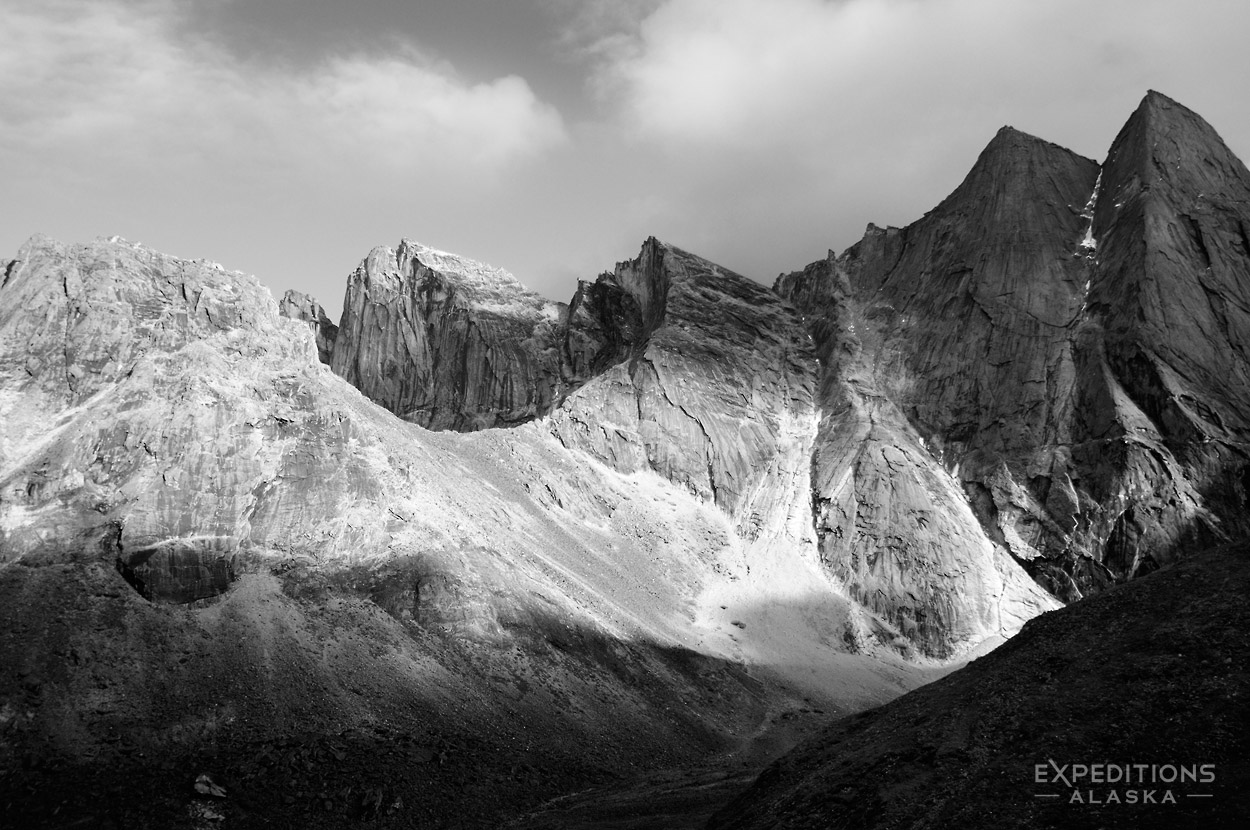
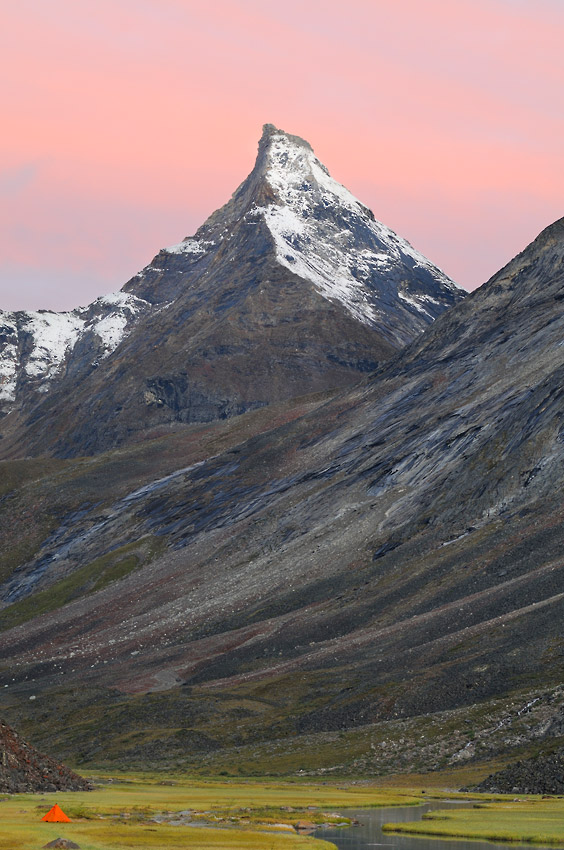
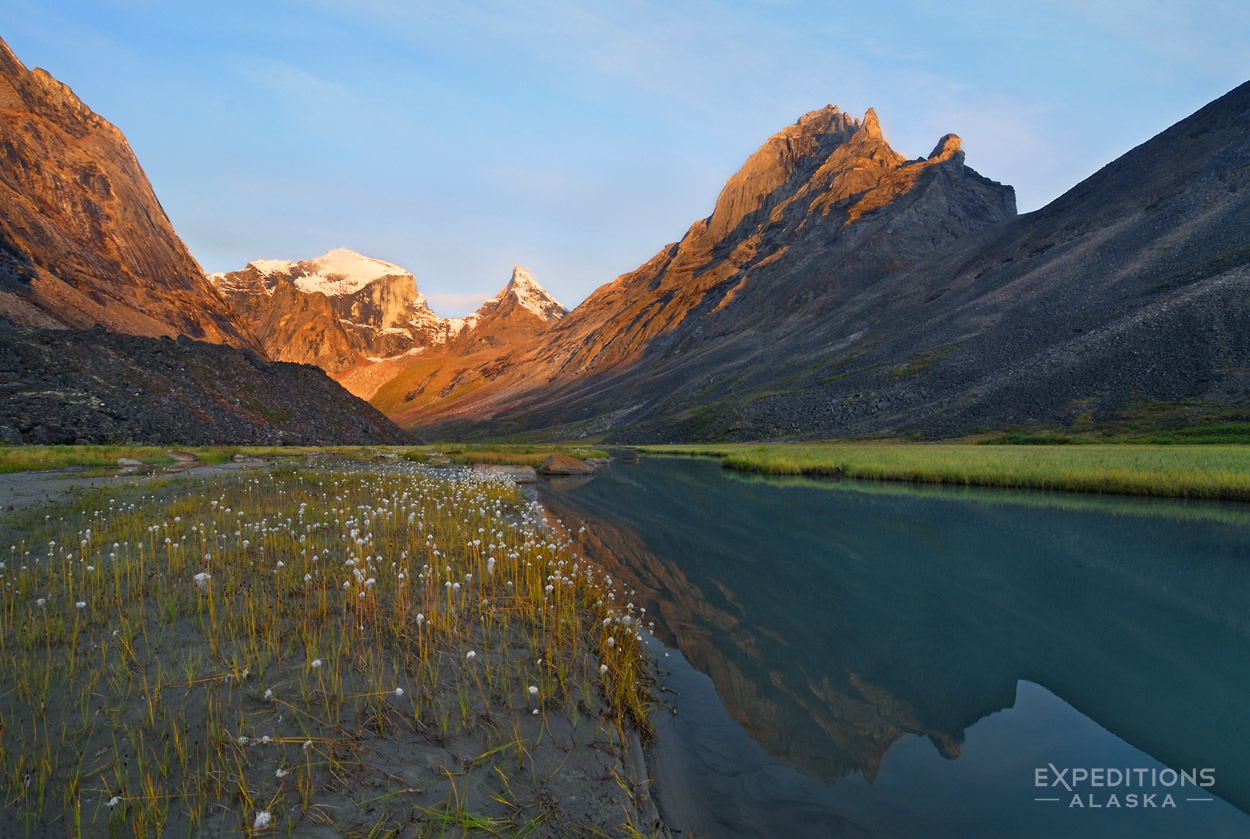
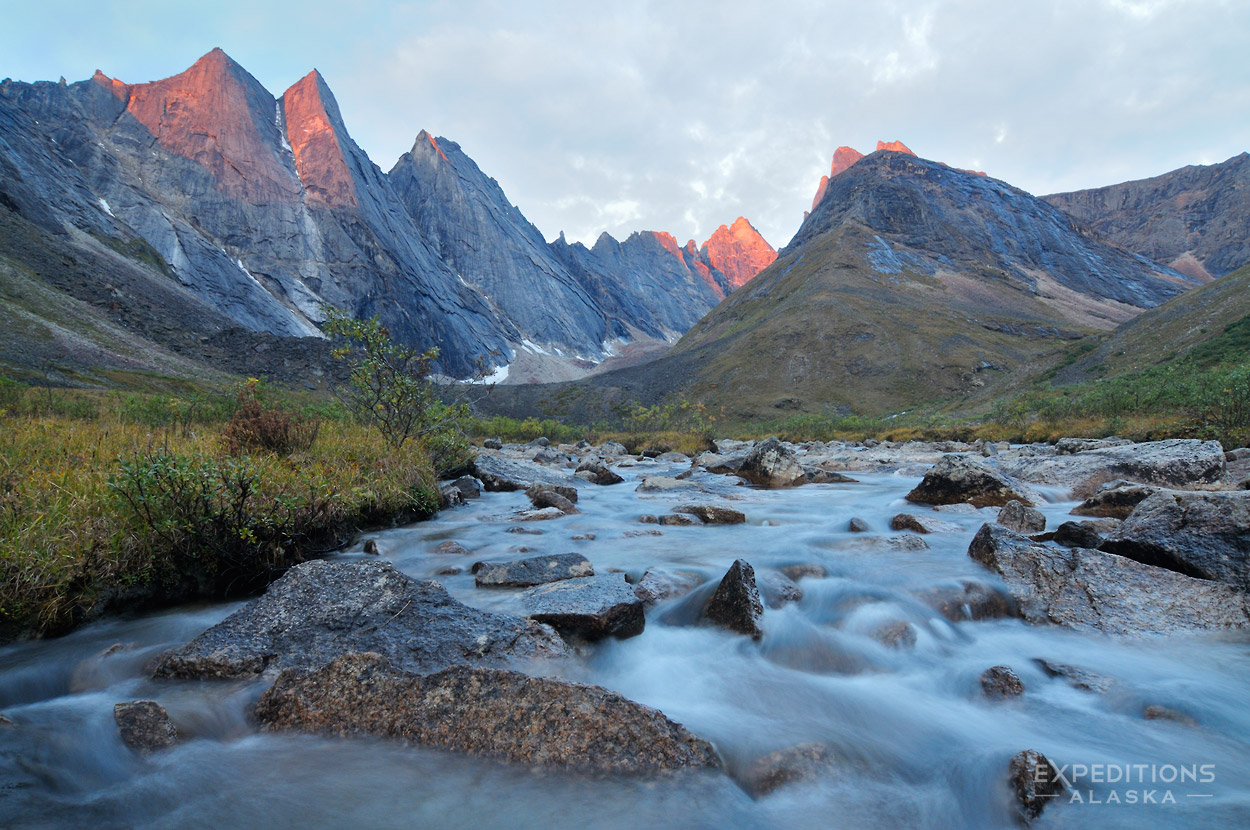
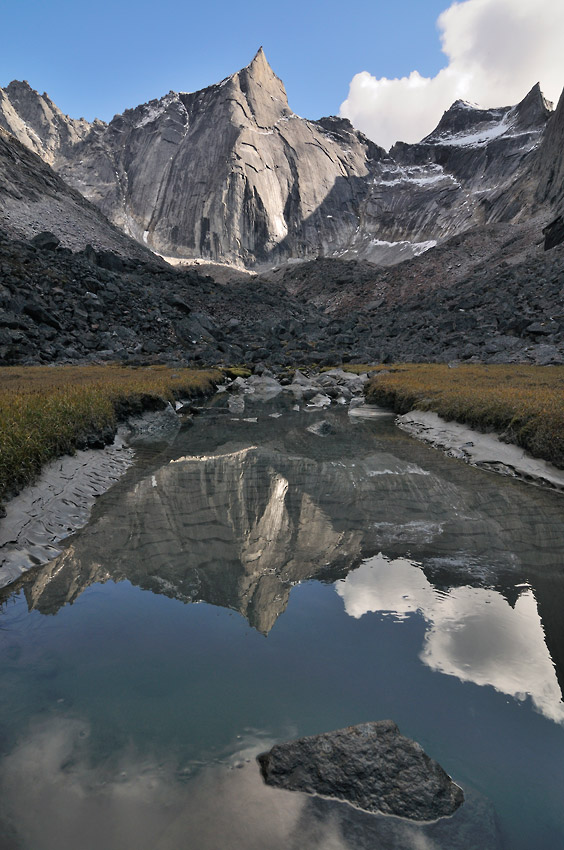
- The Arrigetch Peaks are generally 6000-7000‘ ASL.
- Fewer than 13 000 visitors entered the park in 2014.
Gates of the Arctic National Park and Preserve is a grand place. Lying entirely above the arctic circle, the park is slightly larger than Belgium, and is the 2nd largest national park in the US; four times larger than Yellowstone National Park.
The Alaska National Interest Land Conservation Act (ANILCA) of 1980 was the impetus for the designation for National Park and Preserve; prior to this legislation, Gates was a National Monument for 2 years. ANILCA was a monumental piece of legislation that protected over 150 million acres of land, over 40 million acres of National Parks.
The park and preserve protect over 8 million acres of land, over 7 million of which is designated wilderness. This wilderness region adjoins the Noatak Wilderness Area, together creating the largest contiguous wilderness designation in the country.
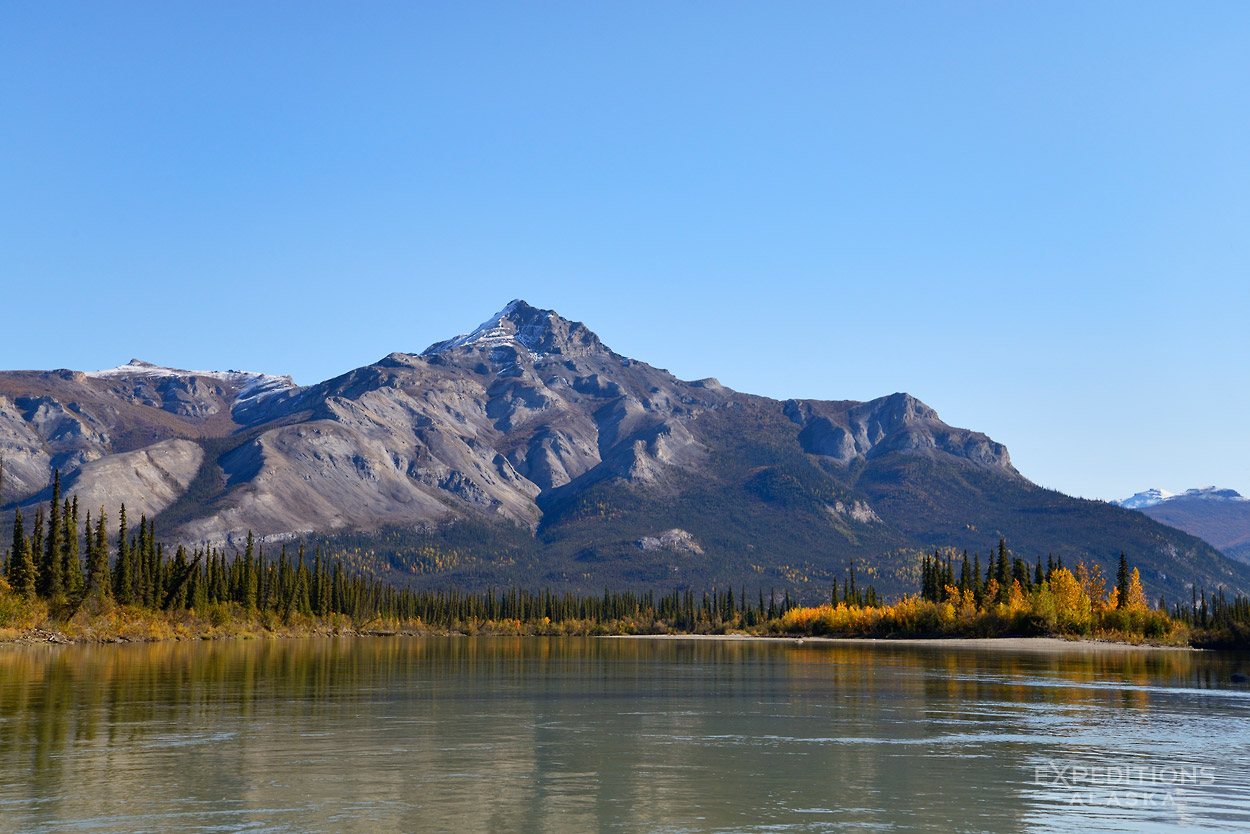
Much of the park is mountains, the Brooks Mountain Range that bisects the park forming the backbone of the region. The Continental Divide runs along this spine, here separating watersheds north to the Arctic Ocean from the southern watershed that drains in the Bering Sea and northern Pacific Ocean.
The park gets its name from 2 awesome peaks that tower above the North Fork of the Koyukuk River, Frigid Crags and Mt. Boreal. In the early 1930’s famed explorer Bob Marshall dubbed these peaks “Gates of the Arctic”, as they sit either side of the river, his pathway north. They’re an impressive experience.
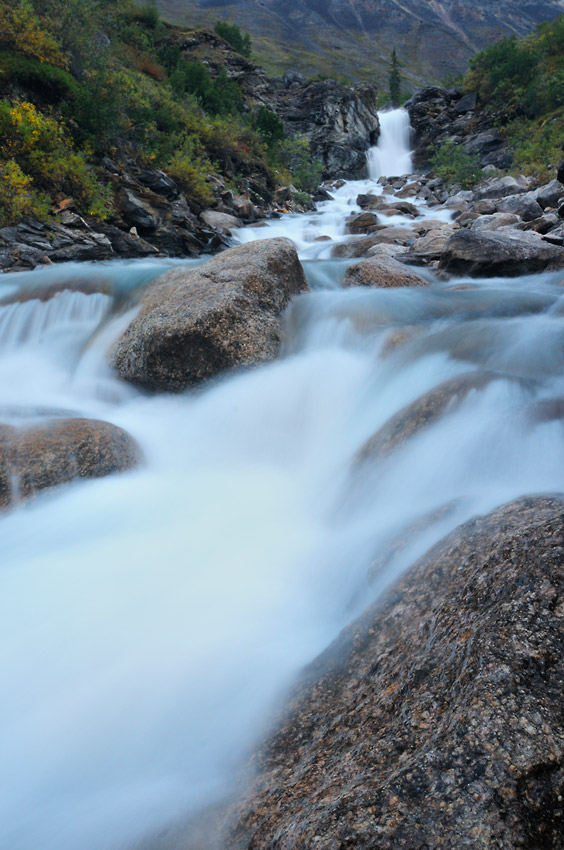
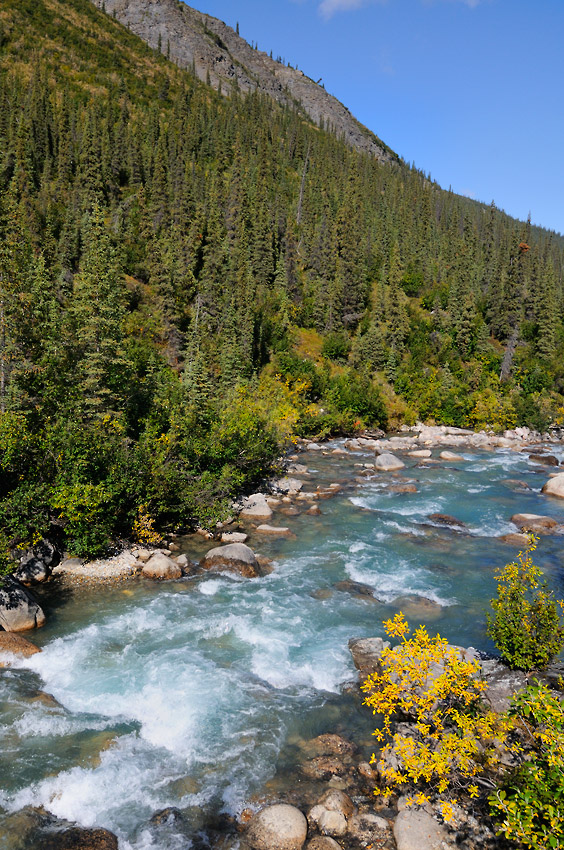
Waterways are the primary source of travel here; there are six designated Wild and Scenic Rivers in the park, over 500 miles of pristine arctic rivers. Grayling, arctic char and chum salmon are the most abundant species of fish here.
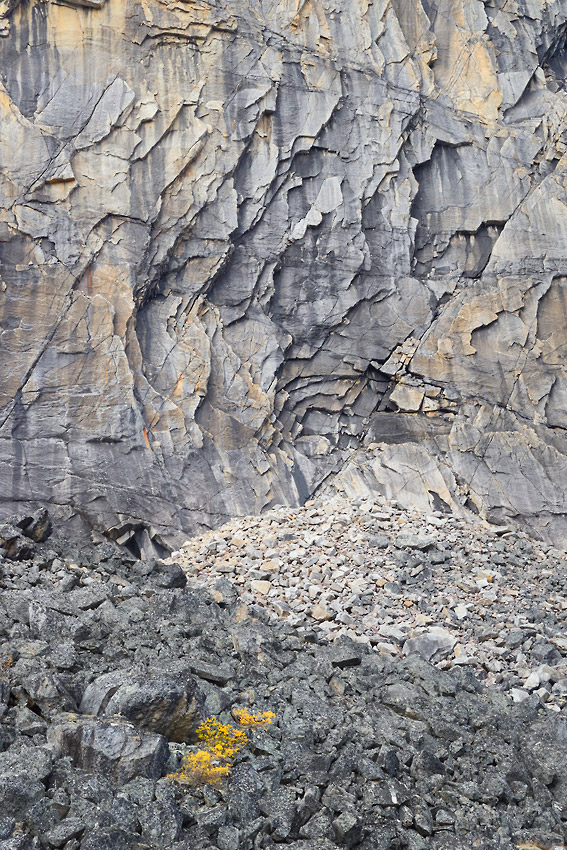
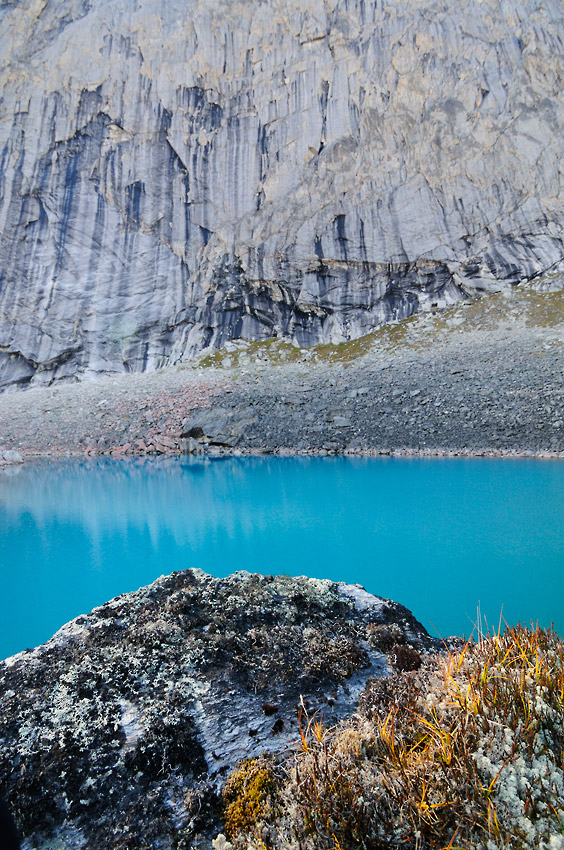
The Brooks Range runs the length of the park, and are generally considered to be an extension of the Rocky Mountains of the US. While not terribly high by some standards, the mountains are impressive, with glacial cirques and serrated peaks in all directions.
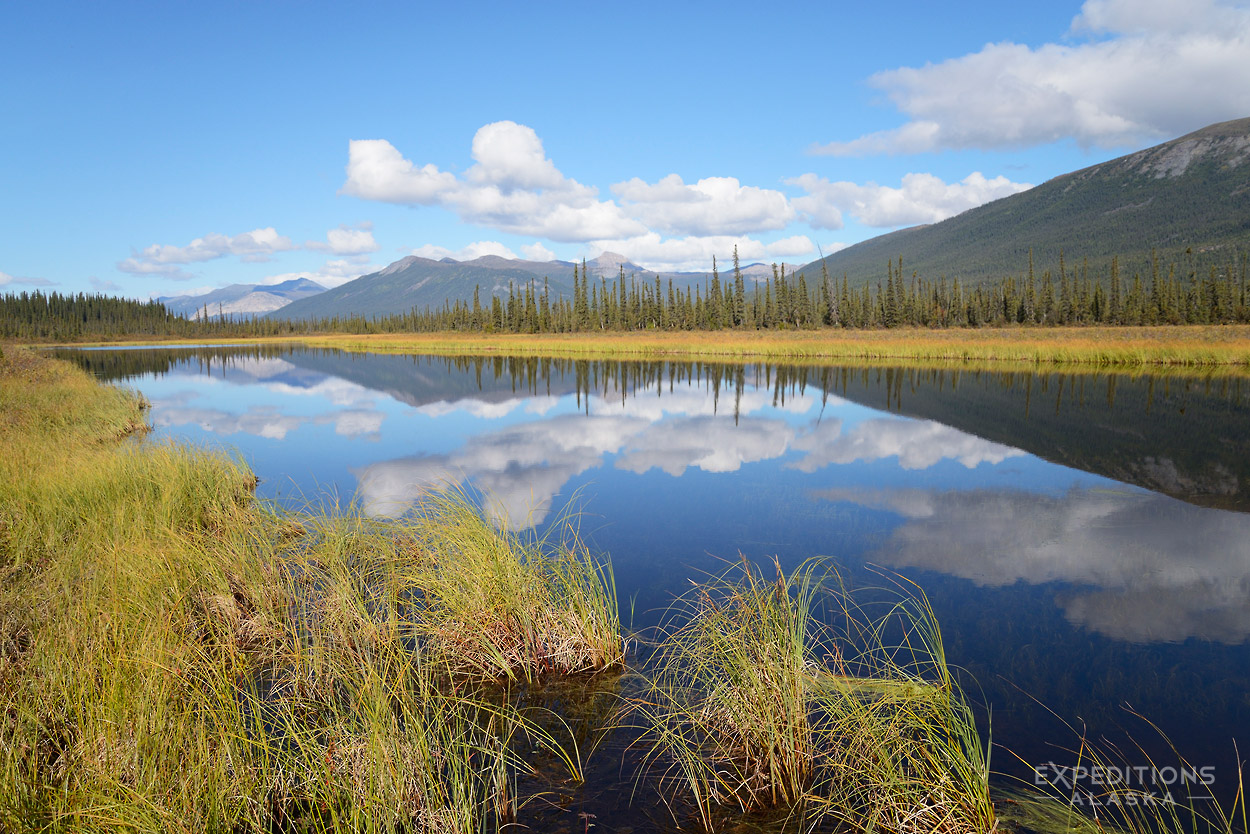
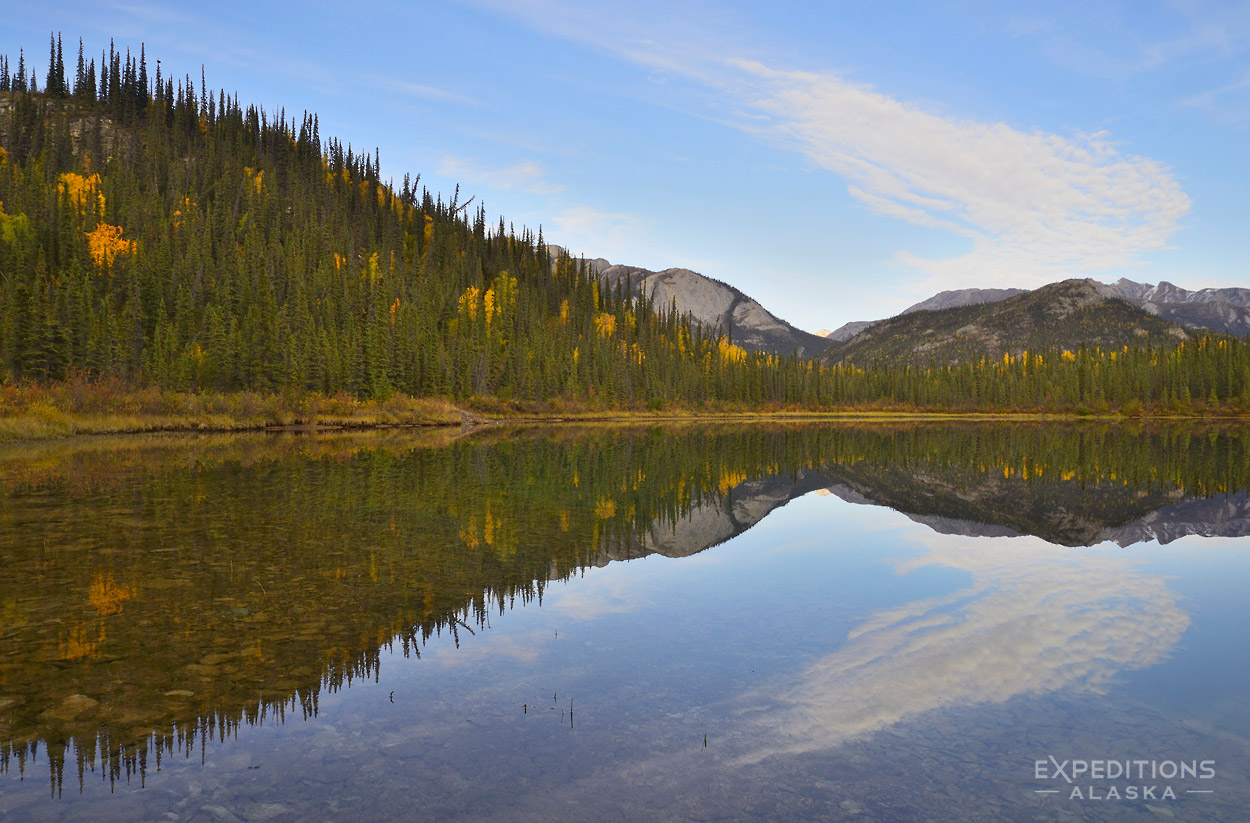
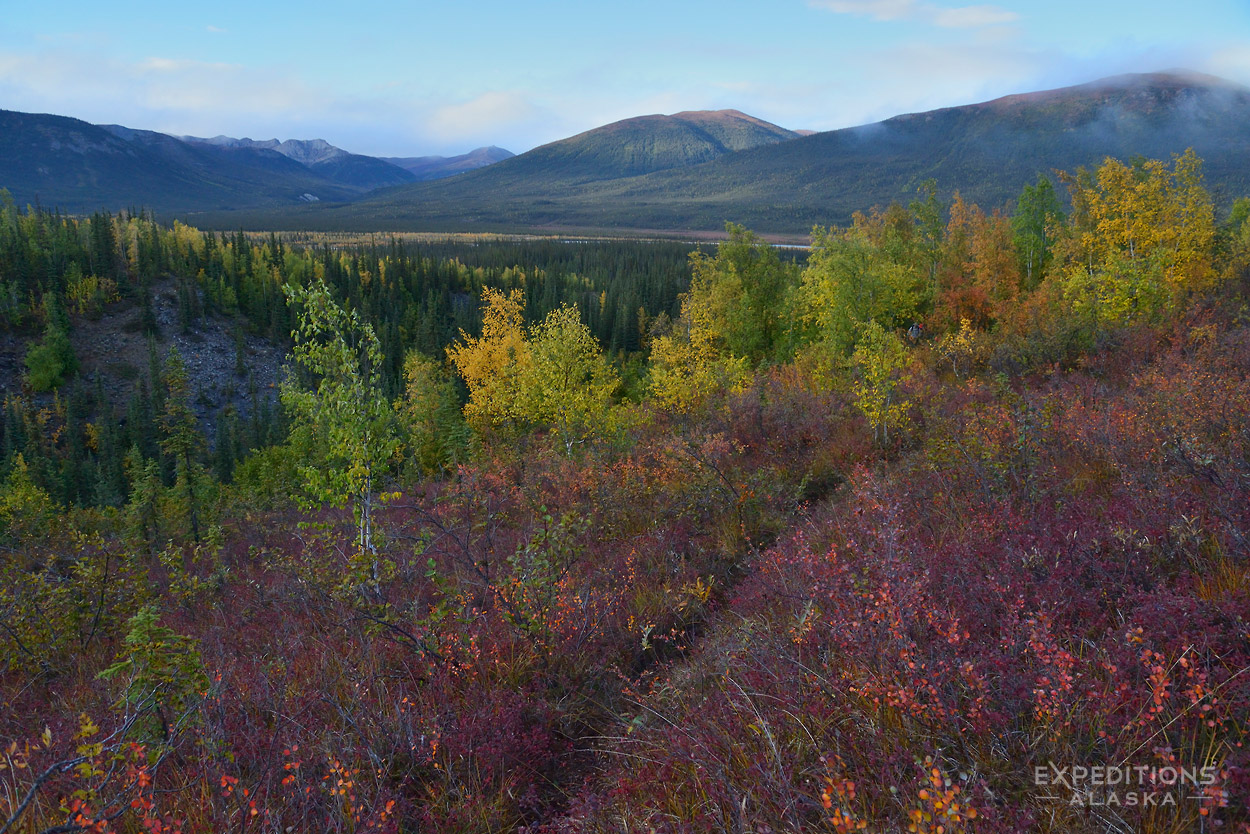
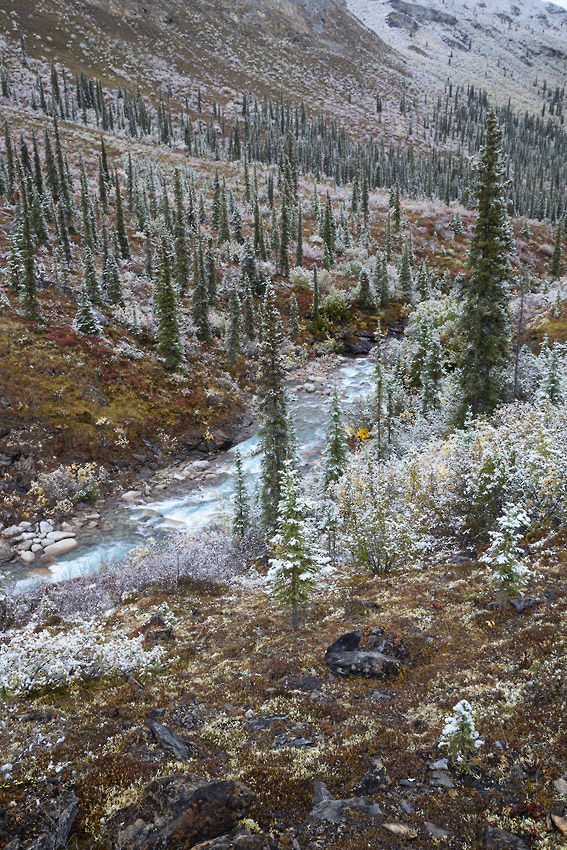
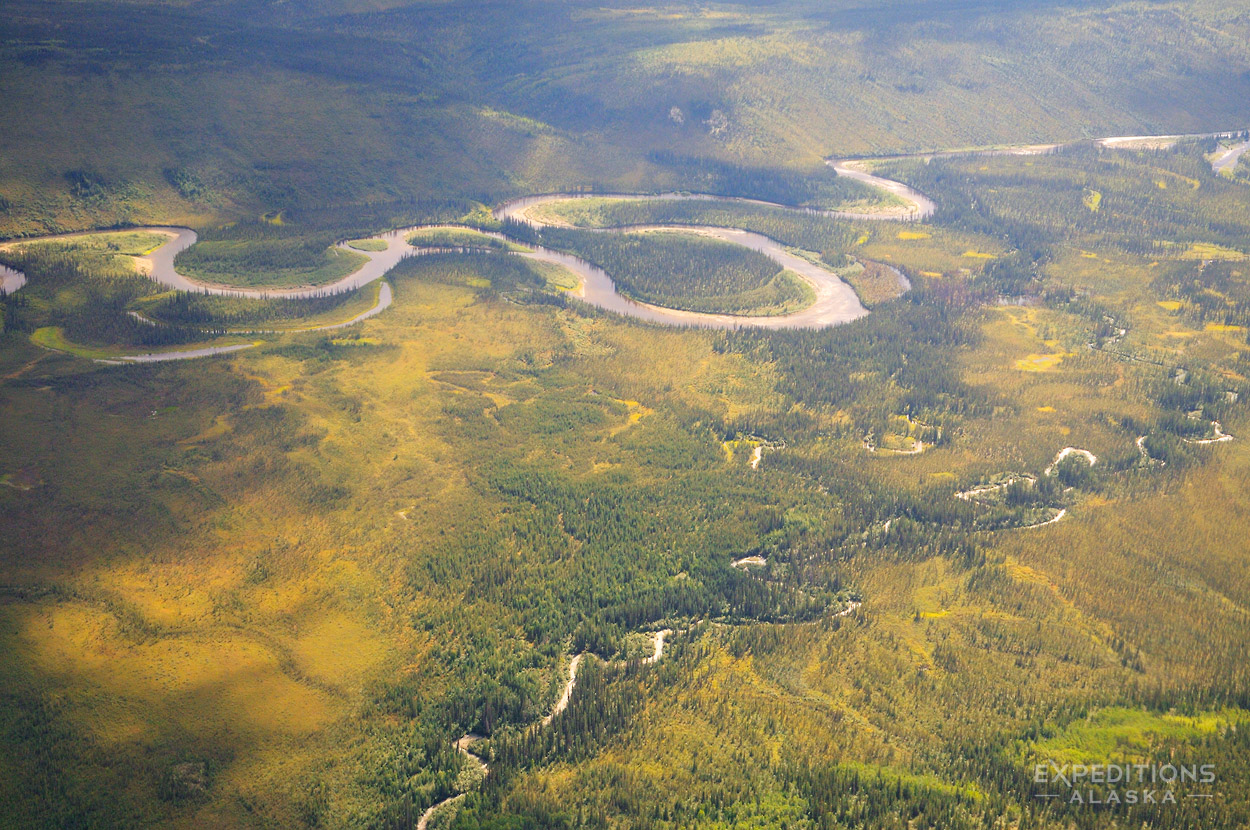
The southern slopes of the range are home to the boreal forest, stands of black spruce, white spruce and aspen, and isolated stands of Balsam poplar as well. This is the edge of latitudinal treeline in North America. Most of the northern slopes of the range are mostly tundra and muskeg.
Recommended reading: Arctic Wilderness, and Alaska Wilderness: Exploring the Central Brooks Range, both by Robert Marshall.
Want to learn more about Gates of the Arctic National Park?
Sign up for the newsletter