
The most common wildlife photography mistakes are getting too close too fast, framing too tight in the field, defaulting to the longest lens for everything, ignoring the light, and shooting a species and moving on instead of staying with the animal. Almost all of them come from impatience. Patience fixes most of what’s wrong with most wildlife photographs.
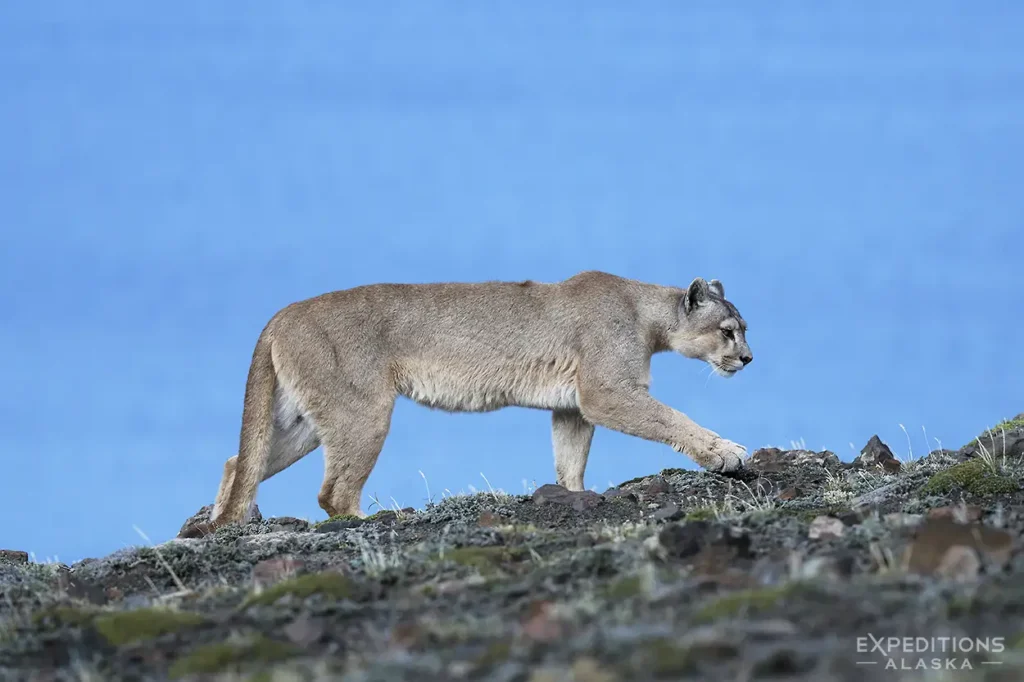
Approaching too fast
Wild animals read body language constantly. Erratic movement triggers a prey response, slow and predictable movement registers as non-threatening. The photographer who walks straight at an elk gets an alert, defensive elk. The photographer who moves at a walking pace, with frequent pauses, off-axis from the animal, gets tolerated at much closer distances. We see this every season with new guests. Adjust the approach and the photographs change immediately.
Framing too tight in the field
Crop later. Cropping in-camera means you can’t widen if behavior moves outside the frame, and you can’t change your mind in the edit. Modern sensors give you plenty of room to crop in post. Shoot looser than you think you need to.
Reaching for the longest lens by default
Long glass is a tool, not a default setting. The portrait of a face filling the frame is one option. A wider focal length showing the animal in its setting is often the better photograph. Place tells the story. A bear on a salmon riffle with the river and the spruce in the frame says something a 600mm headshot never will.
Ignoring the light
Most wildlife photographers find the animal first and shoot whatever light is available. The better order is read the light, then position yourself relative to the animal so the light works in your favor. Soft overcast for fur and feather detail. Sidelight for texture. Backlight for rim and atmosphere. The light is the photograph.
Treating wildlife photography as a checklist
Spending five minutes with a moose and moving on to the next species. Most photographers cycle through this phase, collecting frames the way they’d collect stamps. The ones who get past it sit longer with fewer subjects and come away with stronger photographs. The bear you’ve been watching for an hour will give you something the bear you walked up on never will.
Shooting on auto and hoping
Auto modes work most of the time and fail in the moments that matter. The difficult exposures, backlight, snow, dark fur on dark ground, are exactly the moments you want manual control. Learn the fundamentals once, then use whatever mode the moment calls for.