
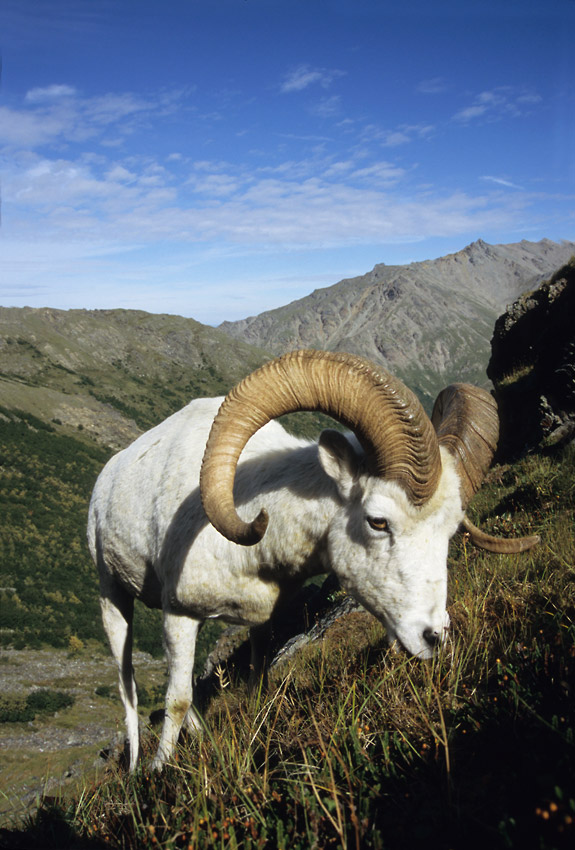
Most working wildlife photographers spend the bulk of their time shooting between 200 and 600mm. The longer reaches (500, 600, 800mm) get the species portraits. Wider focal lengths from 24 to 200mm capture animals in their environment, which is often the better photograph. Pick lenses that cover both ends, not just the long.
Where most of the work actually happens
If you watched a working wildlife photographer’s EXIF data over a season, you’d find the heaviest concentration of frames between 300 and 500mm. That’s the range where most subjects sit at most distances. The 600mm and beyond gets used heavily, but for a smaller portion of total frames than people imagine. The 70-200mm gets used more than people expect.
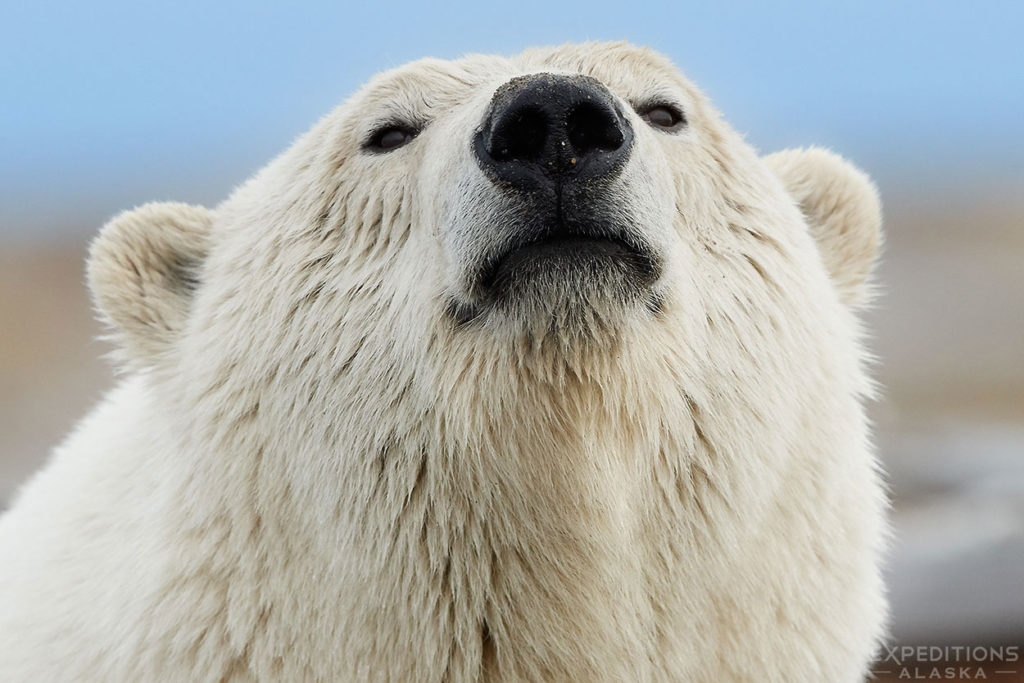
The instinct of someone new to the craft is to reach for the longest lens available. That’s not always the best choice. Long focal lengths compress backgrounds and isolate the subject from its setting, which can flatten an image into a portrait when the photograph wanted to be something more.
When a long lens is the right call
Small, or distant subjects. Wary species that won’t tolerate close approach. Birds that can’t be approached at all. Mountain goats on a cliff face. A wolverine glimpsed across a tundra basin. These need 600mm and up. The 800mm with a 1.4x teleconverter shows up in raptor and shorebird work for a reason. If your subjects sit at long distance and there’s no path to closer, reach matters.
When a wider focal length is the right call
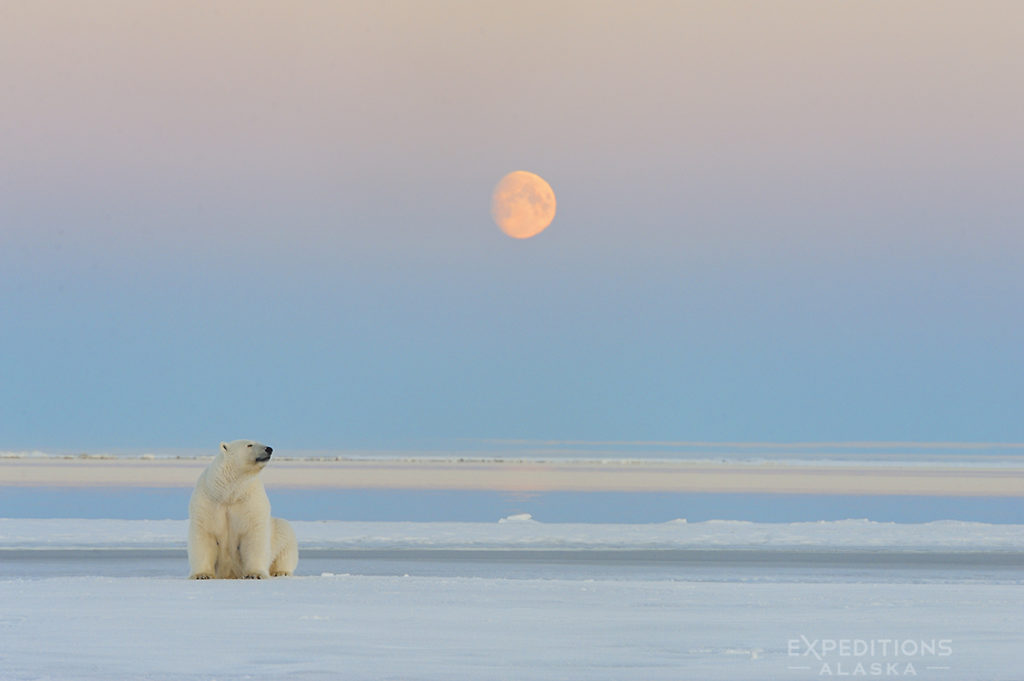
The animal in its setting. A bear on a salmon stream with the spruce behind it. A moose in the willows with the Wrangell Mountains in the frame. A bull caribou stepping out of dwarf birch with the autumn tundra rolling away. These photographs need a 24mm, a 70mm, a 100mm. They aren’t compromised wildlife shots. They’re often the photograph the trip was for.
The other case is environmental wildlife work where the subject is closer than people expect. Sea otters at twenty feet from a kayak. A bear that walks within thirty yards of where you’re sitting. A 600mm at twenty feet won’t even fit the animal in the frame.
A working focal length kit
For most photographers, two lenses cover almost everything. A long zoom (100-400mm, 150-600mm, or 200-600mm depending on your system) and a wide zoom (24-105mm or 24-70mm). That pair handles roughly 90 percent of the situations a wildlife photographer encounters in the field. A 70-200mm fits between them and is worth adding when budget allows.
The mistake of over-indexing on reach
Reach is a tool. It isn’t a goal. A 600mm prime is the right answer to a specific question, not the right answer to every question. Photographers who pack only their longest lens come home with technically clean tight portraits and almost nothing that says where they were or what was happening around the animal. Bring the wider lenses. Use them.