
Visit The Wild
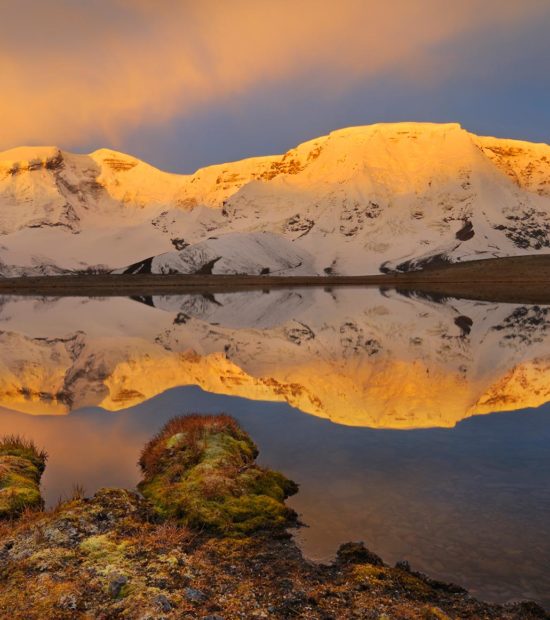
Hike the Highcountry. Face to face with a 13 000’ mountain.
On a scale of 1 – 5, five being the most challenging, three hiking boots is smack in the middle.
1 boot = basecamp/dayhike easy
2 boots = easier backpacking trip
3 boots = intermediate level trip
4 boots = intermediate to advanced backpacking
5 boots = ask yourself are you really ready for this?
11 boots = One louder. For when 5 boots just isn’t enough.
Expect whatever level you think might best fit you to be one level on our scale. Hiking here in Alaska is generally a step or three above what you’ll find in the Lower 48 states.
If you consider yourself up for an intermediate level hike, for example, assume that a trip rated intermediate here will probably be a bit tougher than you’re expecting; not impossible, but harder than you think. Intermediate level trips don’t mean you won’t be challenged, won’t struggle at times, and won’t have any easy sections either. On any trip you’ll probably find some easy sections, some harder, and some are challenging.
Also, understand that all these rating are so completely subjective that they’re not entirely all together practical. They’re a loose idea of how the trips might compare to one another, for some people.
Lastly, understand that even a trip we might rate as “intermediate” (3-4 hiking boots) may still have some difficulty at times. Weather changes things. There may be a tough steep climb on the route that takes a few hours.
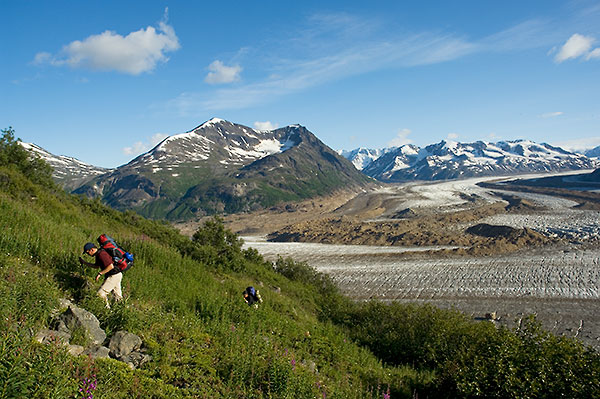
Options abound. Backpacking in the eastern Wrangell Mountains, or basecampjng and day hiking the high alpine tundra. And soak up the finest mountain views anywhere.
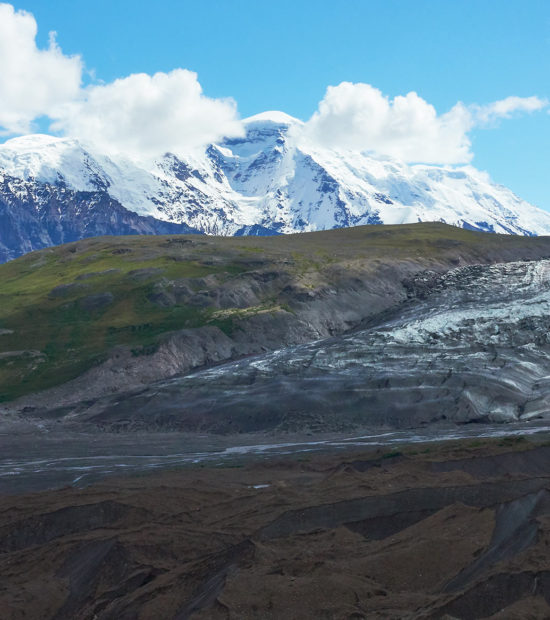
Backpack the heart of the Wrangell Mountains. Explore America’s Largest National Park.
On a scale of 1 – 5, five being the most challenging, three hiking boots is smack in the middle.
1 boot = basecamp/dayhike easy
2 boots = easier backpacking trip
3 boots = intermediate level trip
4 boots = intermediate to advanced backpacking
5 boots = ask yourself are you really ready for this?
11 boots = One louder. For when 5 boots just isn’t enough.
Expect whatever level you think might best fit you to be one level on our scale. Hiking here in Alaska is generally a step or three above what you’ll find in the Lower 48 states.
If you consider yourself up for an intermediate level hike, for example, assume that a trip rated intermediate here will probably be a bit tougher than you’re expecting; not impossible, but harder than you think. Intermediate level trips don’t mean you won’t be challenged, won’t struggle at times, and won’t have any easy sections either. On any trip you’ll probably find some easy sections, some harder, and some are challenging.
Also, understand that all these rating are so completely subjective that they’re not entirely all together practical. They’re a loose idea of how the trips might compare to one another, for some people.
Lastly, understand that even a trip we might rate as “intermediate” (3-4 hiking boots) may still have some difficulty at times. Weather changes things. There may be a tough steep climb on the route that takes a few hours.
Explore the Wrangell Mountains in the Heart of the Largest National Park in Nation. We'll walk around on some glaciers, scramble up some ridges and view some of the biggest mountains in the country.
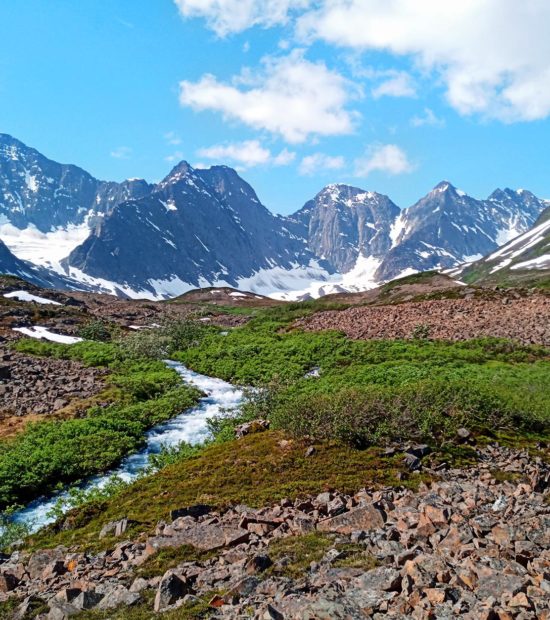
“You have to kiss a lot of frogs before you find your prince”
On a scale of 1 – 5, five being the most challenging, two hiking boots is at the easier end of the spectrum.
1 boot = basecamp/dayhike easy
2 boots = easier backpacking trip
3 boots = intermediate level trip
4 boots = intermediate to advanced backpacking
5 boots = ask yourself are you really ready for this?
11 boots = One louder. For when 5 boots just isn’t enough.
Expect whatever level you think might best fit you to be one level on our scale. Hiking here in Alaska is generally a step or three above what you’ll find in the Lower 48 states.
Realize that backpacking is never “easy”. You’re carrying from 35-50+ pounds on your back day after day. You’ll be hiking for a number of hours each day (varies trip to trip, day to day), and that’s not “easy” for most people.
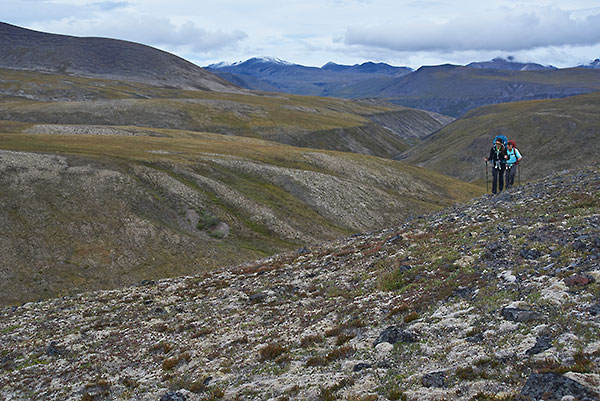
That said, our “2 hiking boots” level should meet the need for most novice backpackers, and are generally what I recommend for families with younger kids, etc as well. Terrain challenges aren’t usually a problem, and the walking is somewhat more orthodox. You won’t be traversing 1 mile of steep sidehill covered in slippery rocks, or snaking through dense thickets of alder and willow.
Explore this gem of a location with Expeditions Alaska. We typically run this a short basepack, move camp a couple times and explore the alpine.
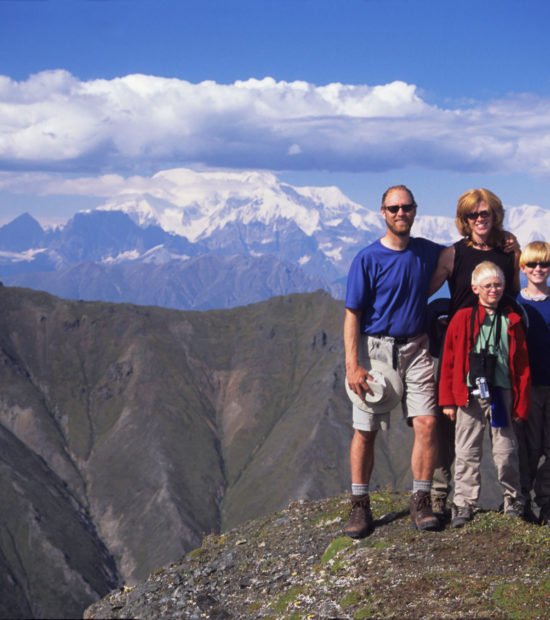
Hike in the Heart of the Park. Camp Above the Clouds.
On a scale of 1 – 5, five being the most challenging, two hiking boots is at the easier end of the spectrum.
1 boot = basecamp/dayhike easy
2 boots = easier backpacking trip
3 boots = intermediate level trip
4 boots = intermediate to advanced backpacking
5 boots = ask yourself are you really ready for this?
11 boots = One louder. For when 5 boots just isn’t enough.
Expect whatever level you think might best fit you to be one level on our scale. Hiking here in Alaska is generally a step or three above what you’ll find in the Lower 48 states.
Realize that backpacking is never “easy”. You’re carrying from 35-50+ pounds on your back day after day. You’ll be hiking for a number of hours each day (varies trip to trip, day to day), and that’s not “easy” for most people.
That said, our “2 hiking boots” level should meet the need for most novice backpackers, and are generally what I recommend for families with younger kids, etc as well. Terrain challenges aren’t usually a problem, and the walking is somewhat more orthodox. You won’t be traversing 1 mile of steep sidehill covered in slippery rocks, or snaking through dense thickets of alder and willow.
Family backpacking in Wrangell-St. Elias. Fly-in basecamp, easy terrain, massive mountain views. Real wilderness your kids can actually handle.
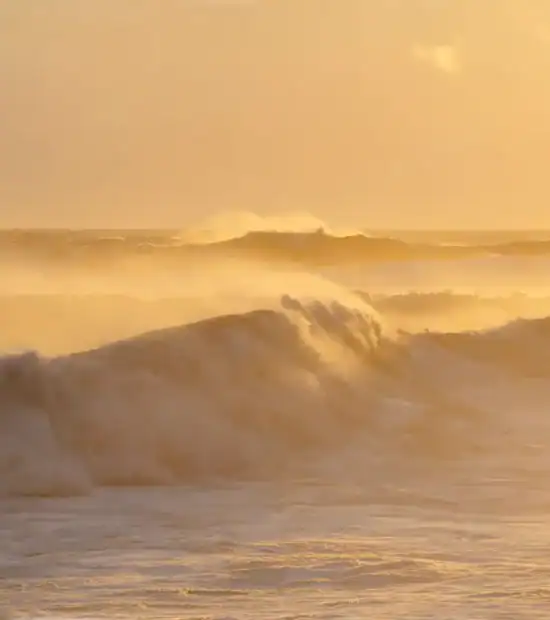
The Edge of Nowhere. The End of Everywhere.
On a scale of 1 – 5, five being the most challenging, two hiking boots is at the easier end of the spectrum.
1 boot = basecamp/dayhike easy
2 boots = easier backpacking trip
3 boots = intermediate level trip
4 boots = intermediate to advanced backpacking
5 boots = ask yourself are you really ready for this?
11 boots = One louder. For when 5 boots just isn’t enough.
Expect whatever level you think might best fit you to be one level on our scale. Hiking here in Alaska is generally a step or three above what you’ll find in the Lower 48 states.
Realize that backpacking is never “easy”. You’re carrying from 35-50+ pounds on your back day after day. You’ll be hiking for a number of hours each day (varies trip to trip, day to day), and that’s not “easy” for most people.
That said, our “2 hiking boots” level should meet the need for most novice backpackers, and are generally what I recommend for families with younger kids, etc as well. Terrain challenges aren’t usually a problem, and the walking is somewhat more orthodox. You won’t be traversing 1 mile of steep sidehill covered in slippery rocks, or snaking through dense thickets of alder and willow.
Backpacking on the shores of the Pacific Ocean we explore both the ancient spruce forests and edges of Malaspina Glacier. Bears, packrafts and nobody else.
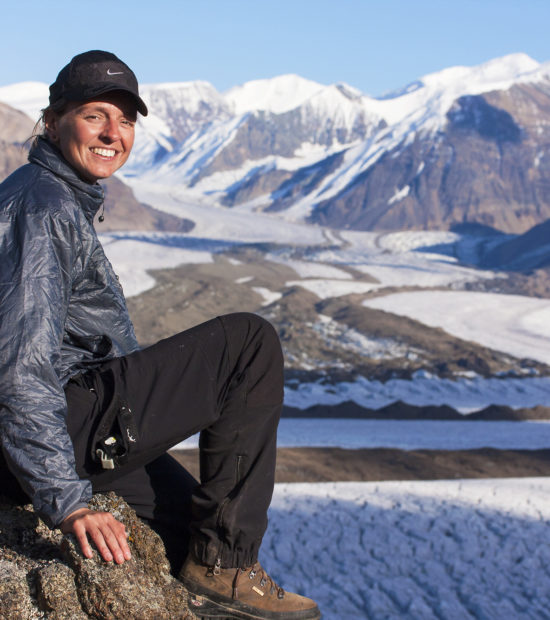
One week in the mountains. One lifetime of Wow.
On a scale of 1 – 5, five being the most challenging, three hiking boots is smack in the middle.
1 boot = basecamp/dayhike easy
2 boots = easier backpacking trip
3 boots = intermediate level trip
4 boots = intermediate to advanced backpacking
5 boots = ask yourself are you really ready for this?
11 boots = One louder. For when 5 boots just isn’t enough.
Expect whatever level you think might best fit you to be one level on our scale. Hiking here in Alaska is generally a step or three above what you’ll find in the Lower 48 states.
If you consider yourself up for an intermediate level hike, for example, assume that a trip rated intermediate here will probably be a bit tougher than you’re expecting; not impossible, but harder than you think. Intermediate level trips don’t mean you won’t be challenged, won’t struggle at times, and won’t have any easy sections either. On any trip you’ll probably find some easy sections, some harder, and some are challenging.
Also, understand that all these rating are so completely subjective that they’re not entirely all together practical. They’re a loose idea of how the trips might compare to one another, for some people.
Lastly, understand that even a trip we might rate as “intermediate” (3-4 hiking boots) may still have some difficulty at times. Weather changes things. There may be a tough steep climb on the route that takes a few hours.
Skolai Pass. Camp beneath Hole in the Wall, walk Russell's ice. Bona watches, America's fourth highest mountain.
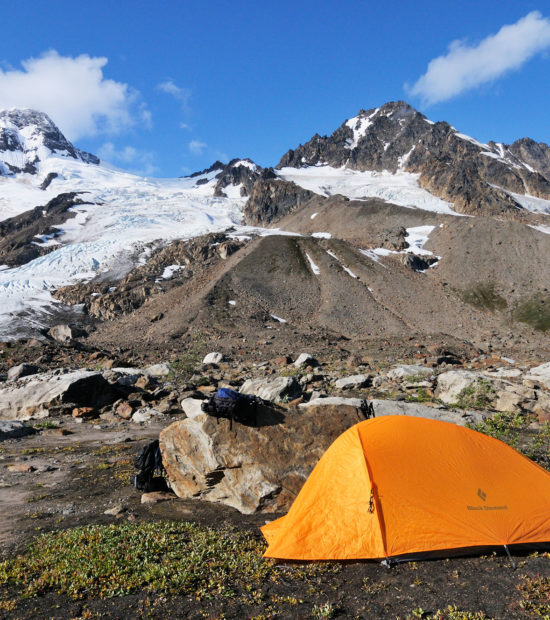
A Land of Ice and Rock. Mountains and Glaciers. And You.
On a scale of 1 – 5, five being the most challenging, two hiking boots is at the easier end of the spectrum.
1 boot = basecamp/dayhike easy
2 boots = easier backpacking trip
3 boots = intermediate level trip
4 boots = intermediate to advanced backpacking
5 boots = ask yourself are you really ready for this?
11 boots = One louder. For when 5 boots just isn’t enough.
Expect whatever level you think might best fit you to be one level on our scale. Hiking here in Alaska is generally a step or three above what you’ll find in the Lower 48 states.
Realize that backpacking is never “easy”. You’re carrying from 35-50+ pounds on your back day after day. You’ll be hiking for a number of hours each day (varies trip to trip, day to day), and that’s not “easy” for most people.
That said, our “2 hiking boots” level should meet the need for most novice backpackers, and are generally what I recommend for families with younger kids, etc as well. Terrain challenges aren’t usually a problem, and the walking is somewhat more orthodox. You won’t be traversing 1 mile of steep sidehill covered in slippery rocks, or snaking through dense thickets of alder and willow.
Alaska's Antarctica! Bush plane in, camp by alpine lake, explore eastern Chugach's edge. That backcountry flight stays.