Puma Trip Details
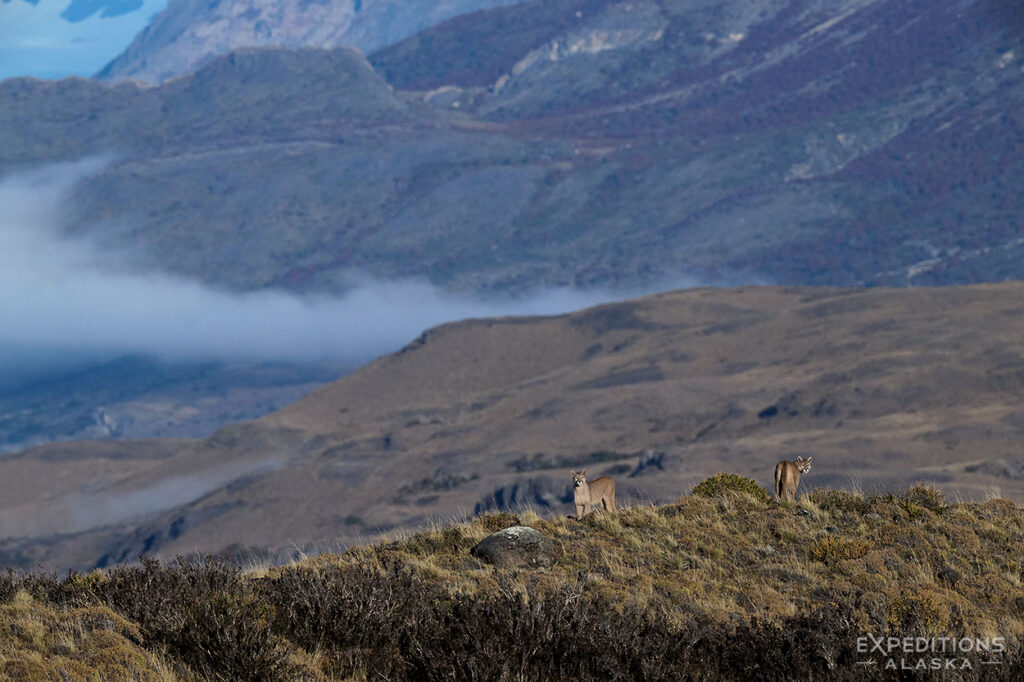
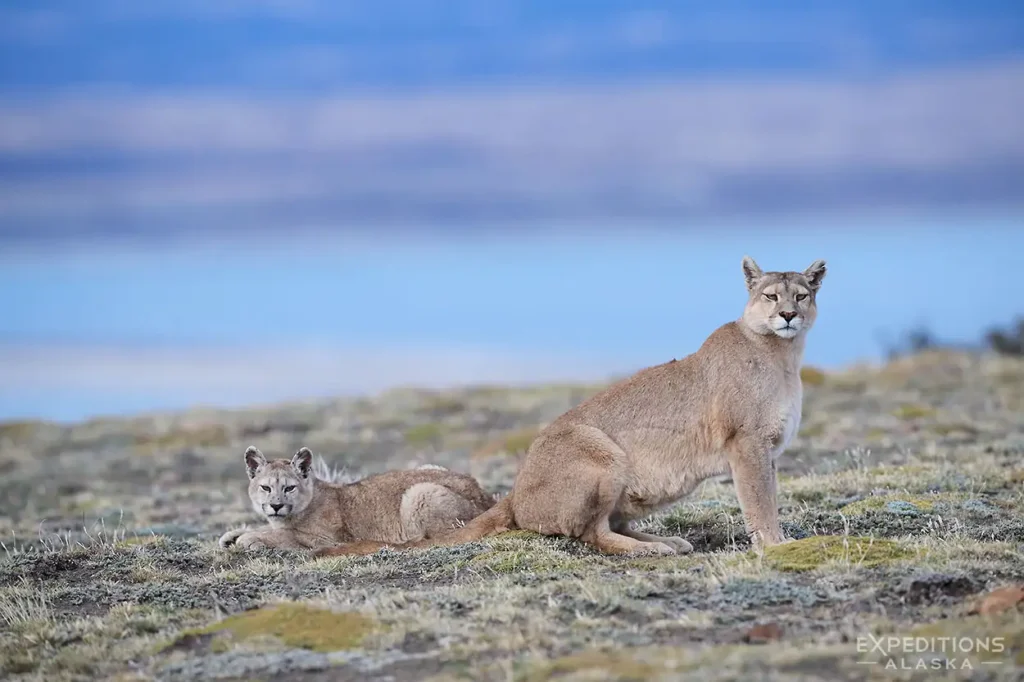
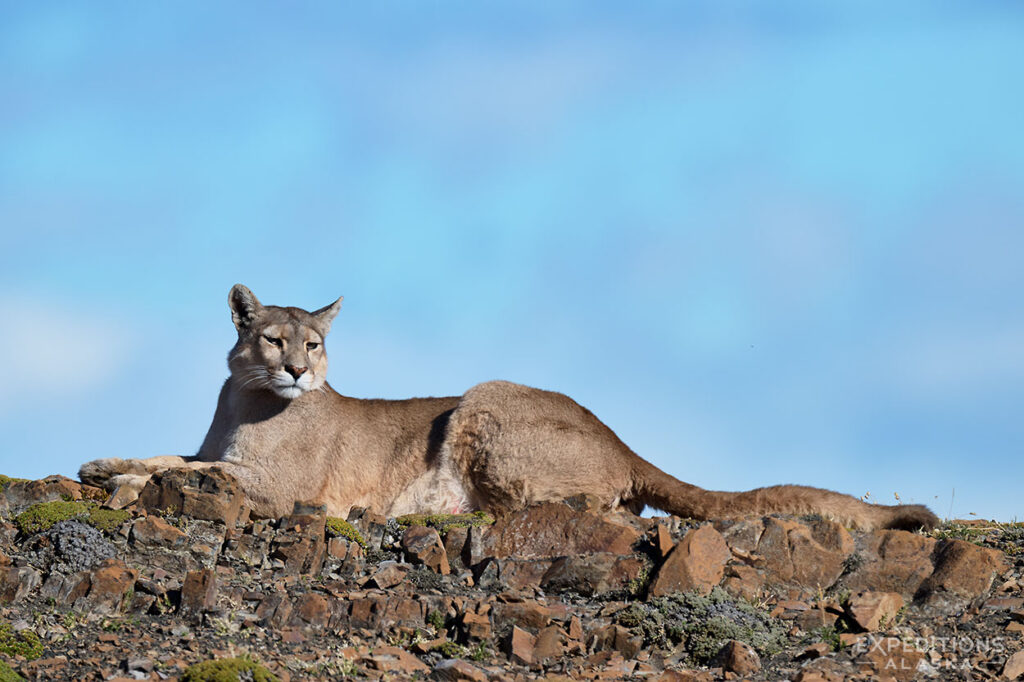
You’ll spend five days doing something most wildlife photographers never do once. Sitting in open terrain, sixty yards from a wild big cat, choosing your composition while the cat chooses hers.
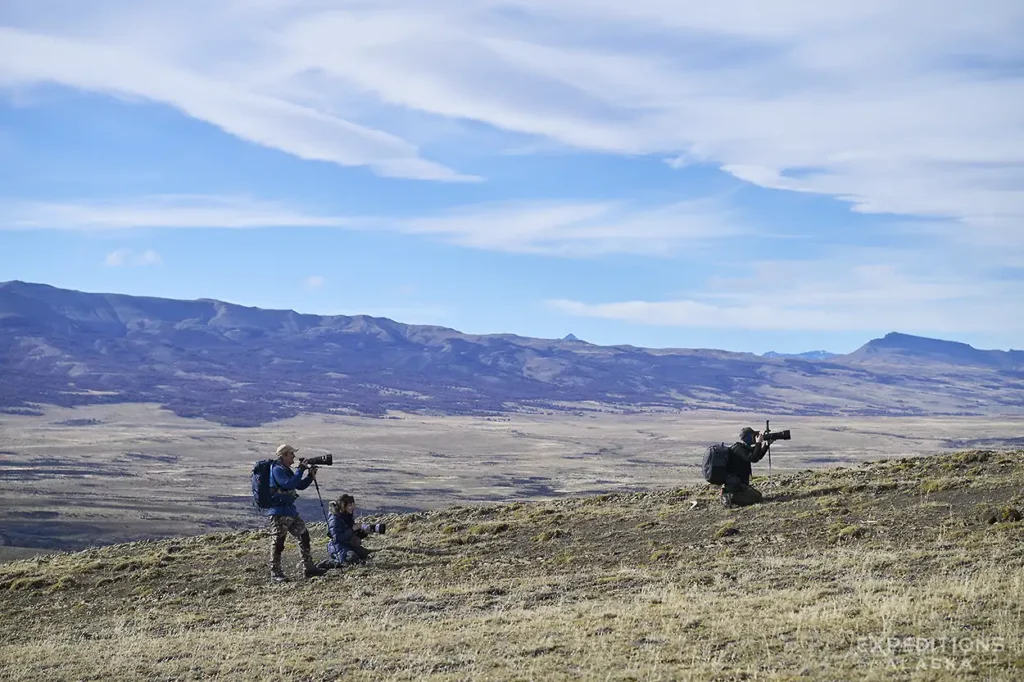
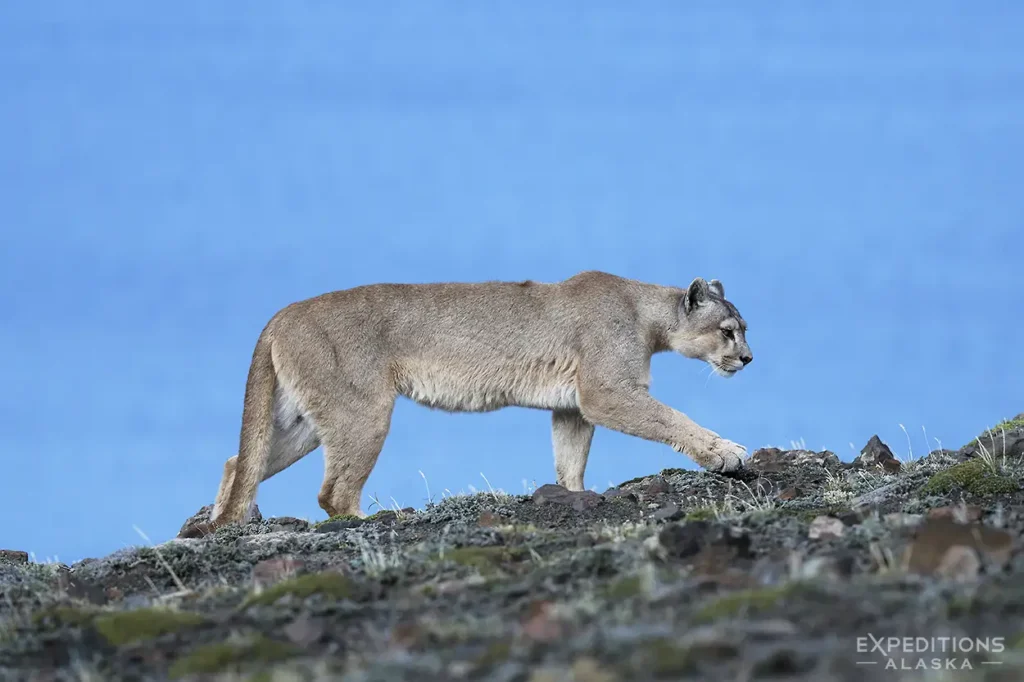
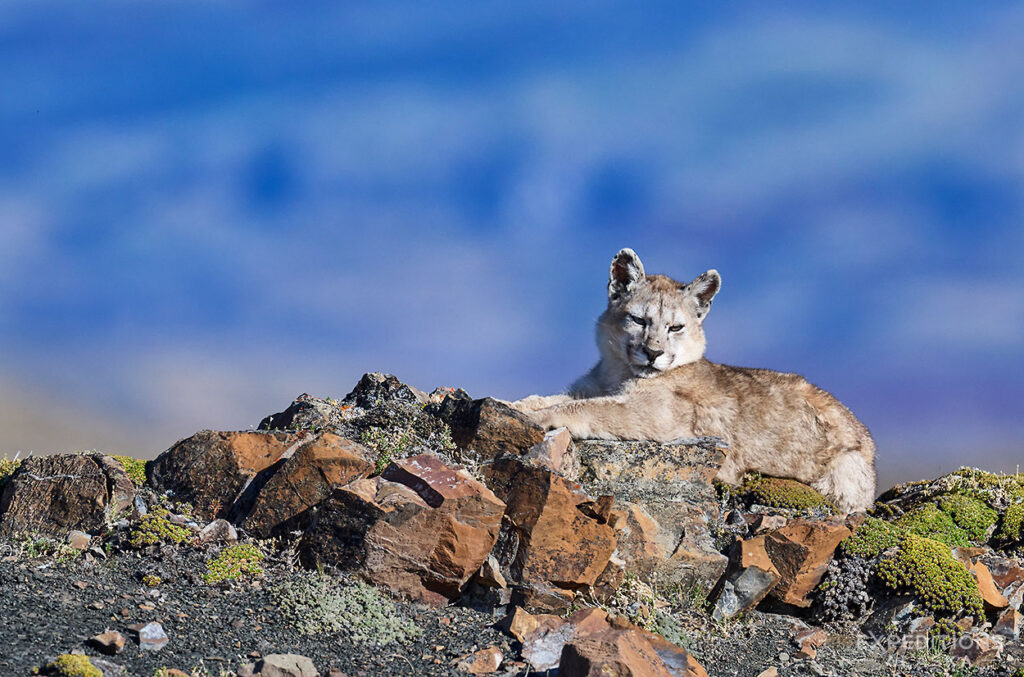
A typical day starts after breakfast. We load into the 4×4 vehicles with packed lunches, three photographers per truck with a dedicated guide in each. Our trackers locate the pumas, and we position ourselves based on the cats’ activity, the terrain, the light, and the backgrounds we want to work with. Sometimes that means hours with a single cat as it moves, hunts, or rests. Sometimes it means being mobile, following a puma across several miles of open ground on foot.
There are daily limits on how many hours groups can spend on the private ranchland. Everyone operates under the same restrictions. We work within that by running two sessions with a break in between, or one long session, depending on weather and puma activity. The schedule stays flexible. It has to. You can’t plan around a wild predator.
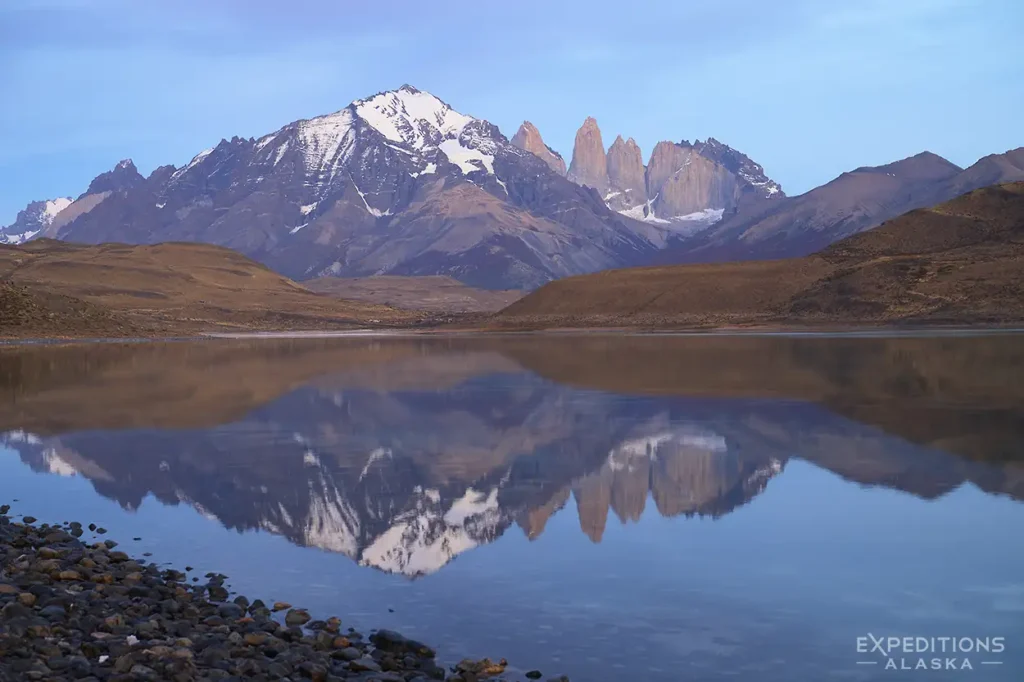
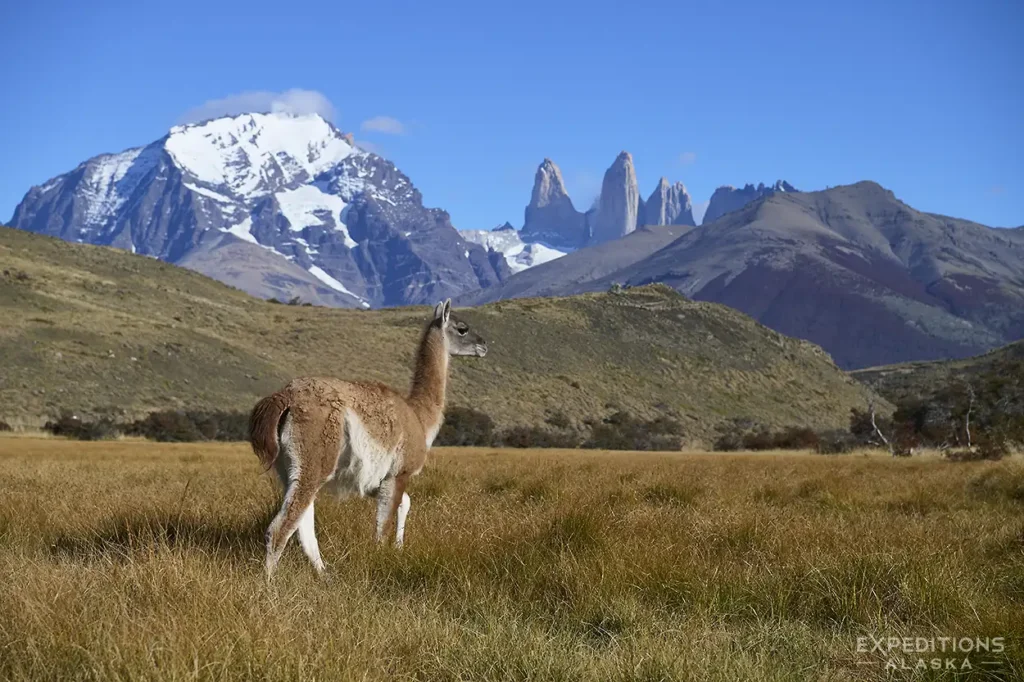
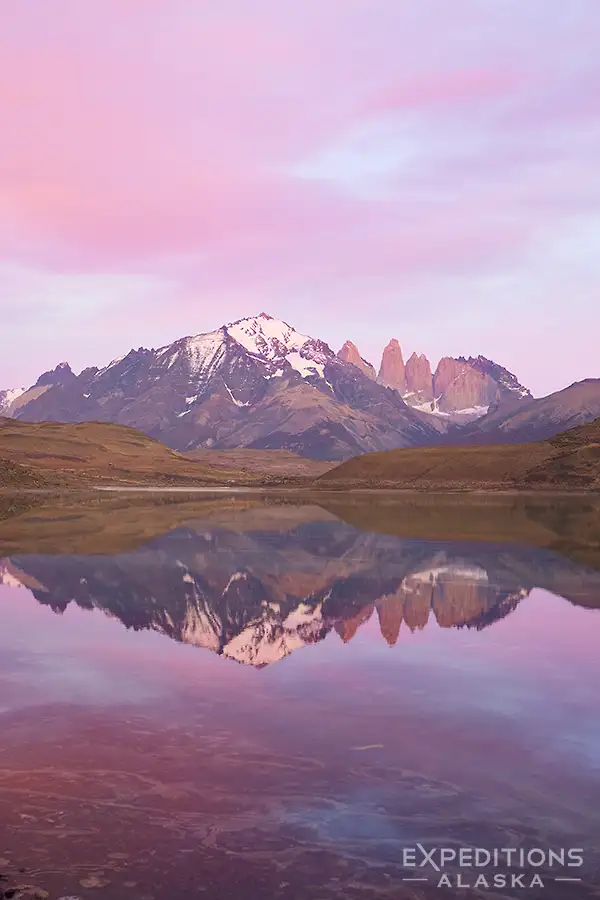
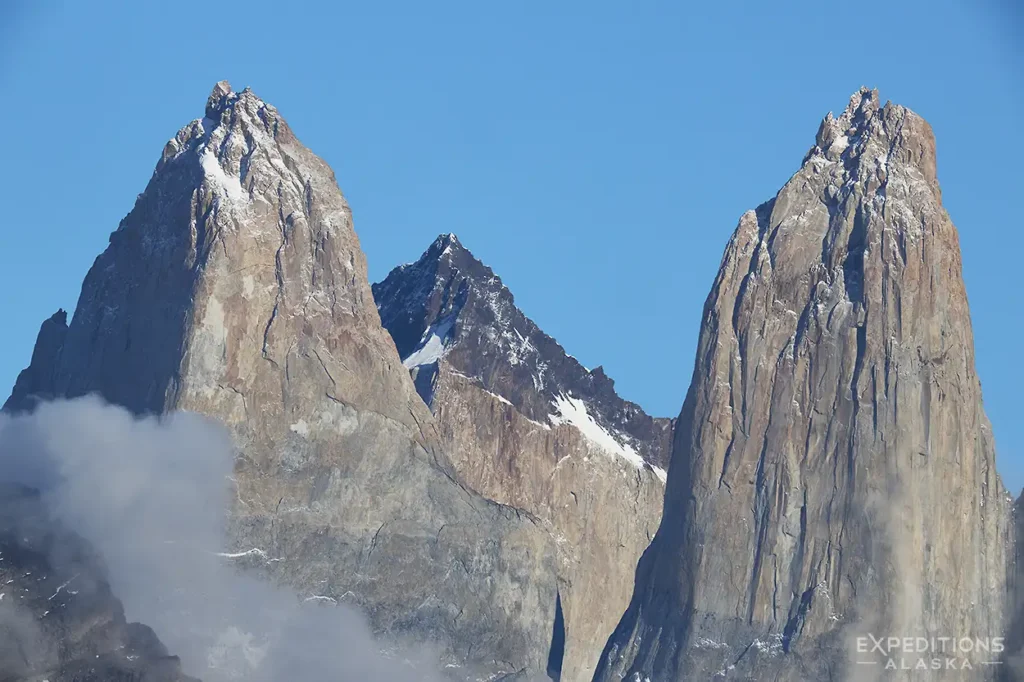
When the pumas are quiet or between sessions, we shoot landscapes in the Torres del Paine area. Morning and evening light here is extraordinary.
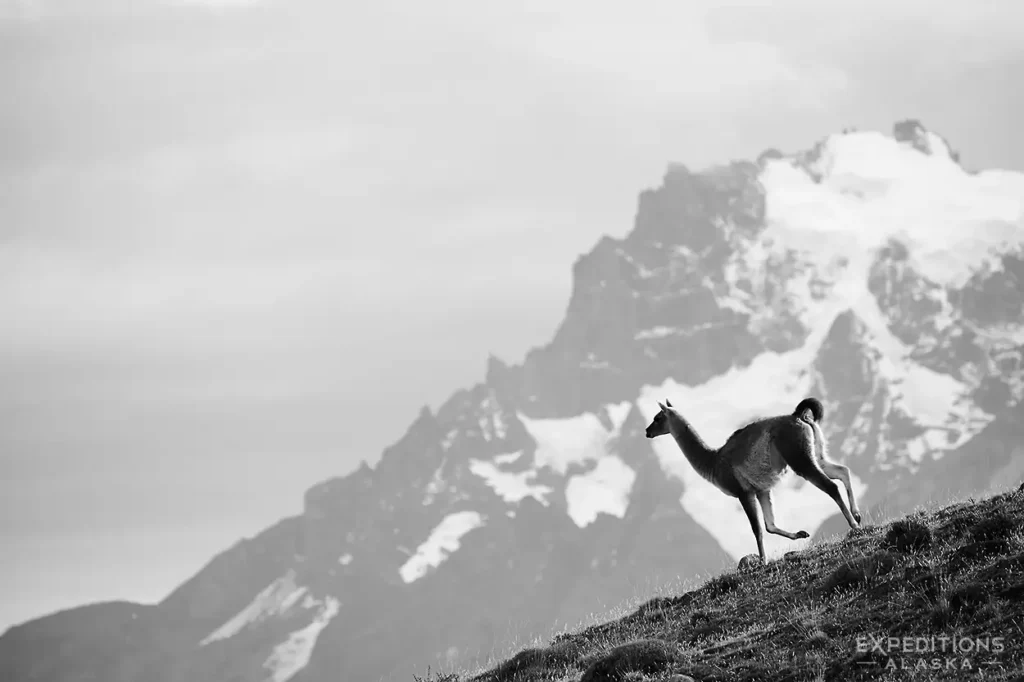
The guanacos are everywhere. They’re the pumas’ primary prey, and they make compelling subjects in their own right.
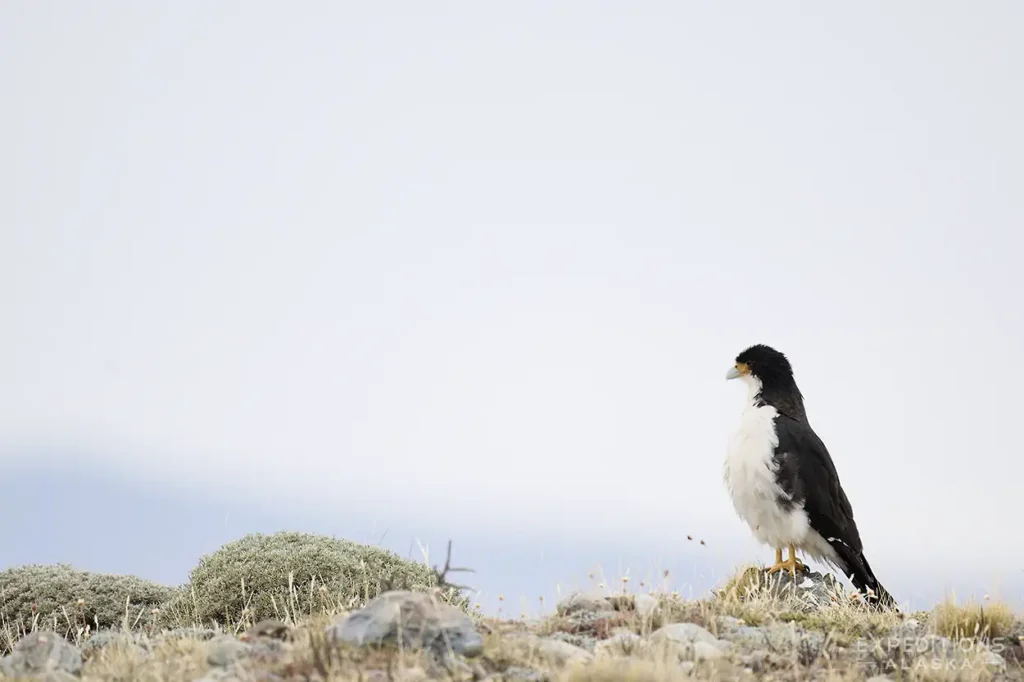
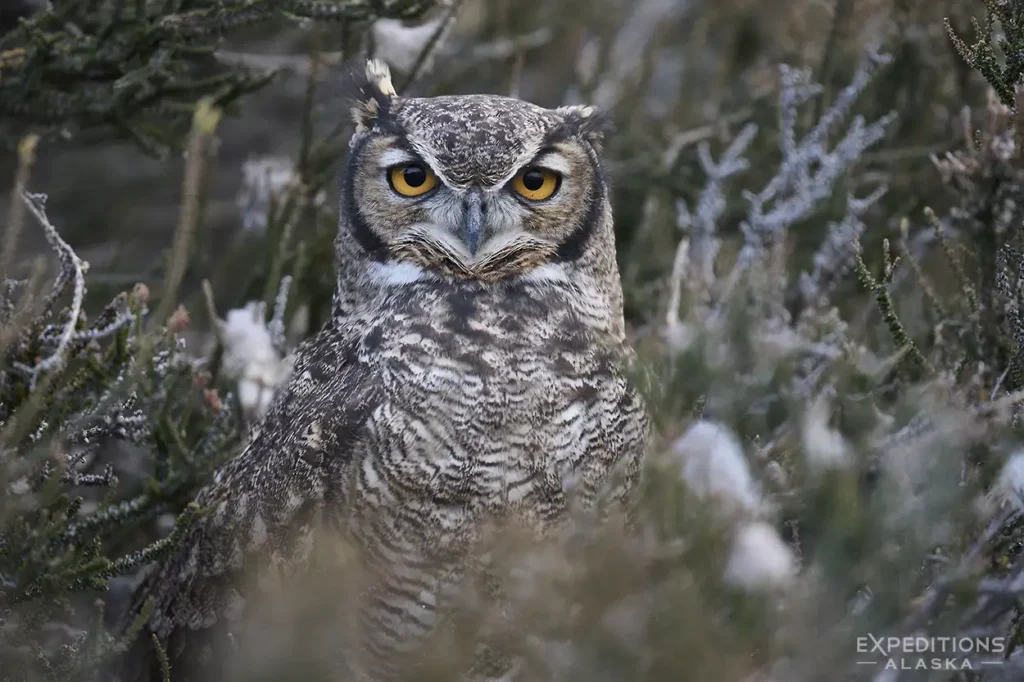
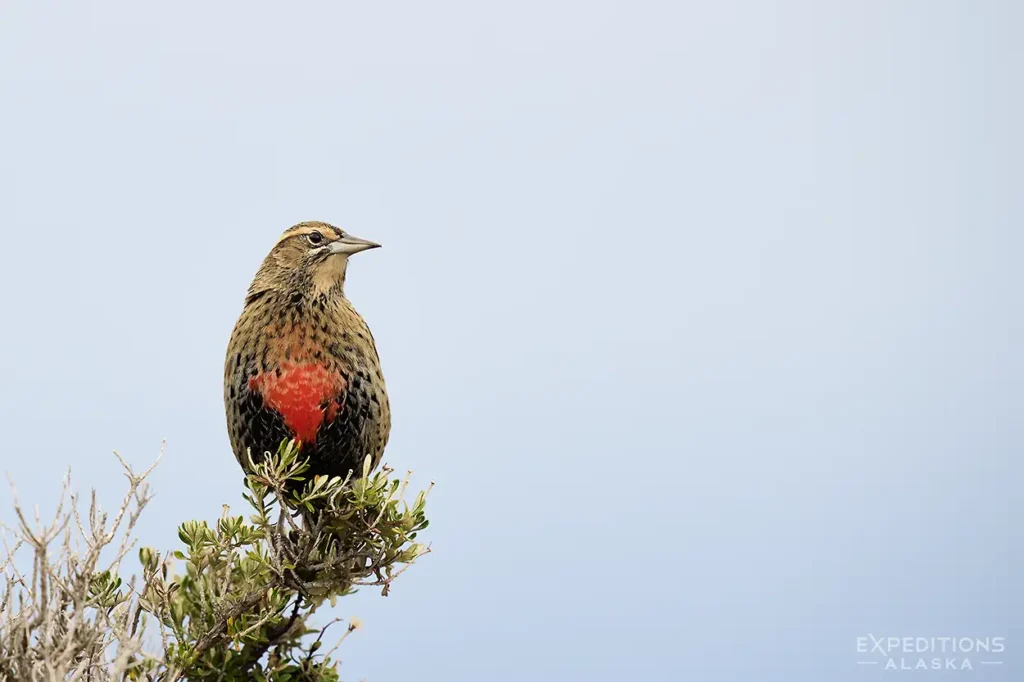
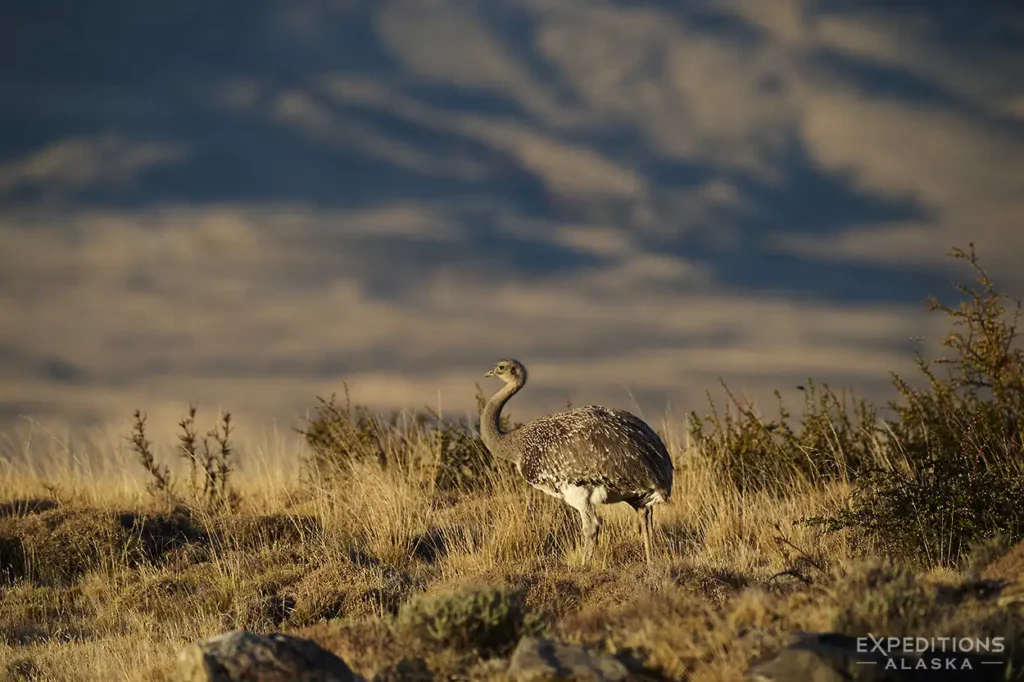
There are multiple bird species on site as well. The field time is full even when the cats aren’t cooperating. Patagonian foxes, rhea, guanacos, owls, caracaras, and whatever else crosses the glass.
Back at the hotel each evening, dinner is waiting. All meals are included from lunch on Day 1 through lunch on the final transfer day. One non-alcoholic beverage per meal.
The lodge is a comfortable base. You’ll appreciate it after ten hours in the field.
Logistics
Five full days with the cats. All about the photography.
Fly into Punta Arenas in southern Chile. LATAM and Delta both serve this route from the US. You need to arrive in Punta Arenas at the latest, one full day before the trip departure date, the day before our first transfer. I’d recommend arriving 2 days ahead if you can. Flights get delayed or cancelled, luggage gets delayed (or worst), and you don’t want to start a trip like this stressed about whether your gear made it. Give yourself a buffer day.
On Day 1, we transfer by van from Punta Arenas to Cerro Castillo near Torres del Paine, our base for the week. That afternoon we’ll do some landscape photography in the Torres del Paine area, get an orientation at the hotel, and settle in over dinner. From there, every morning starts with breakfast at the hotel and a packed lunch for the field.
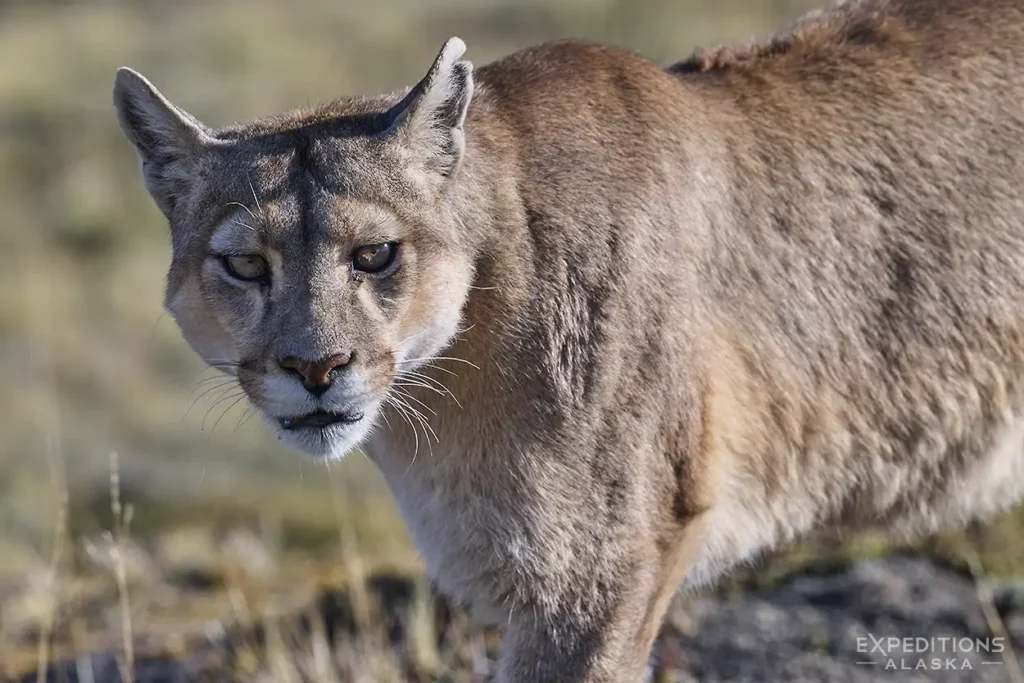
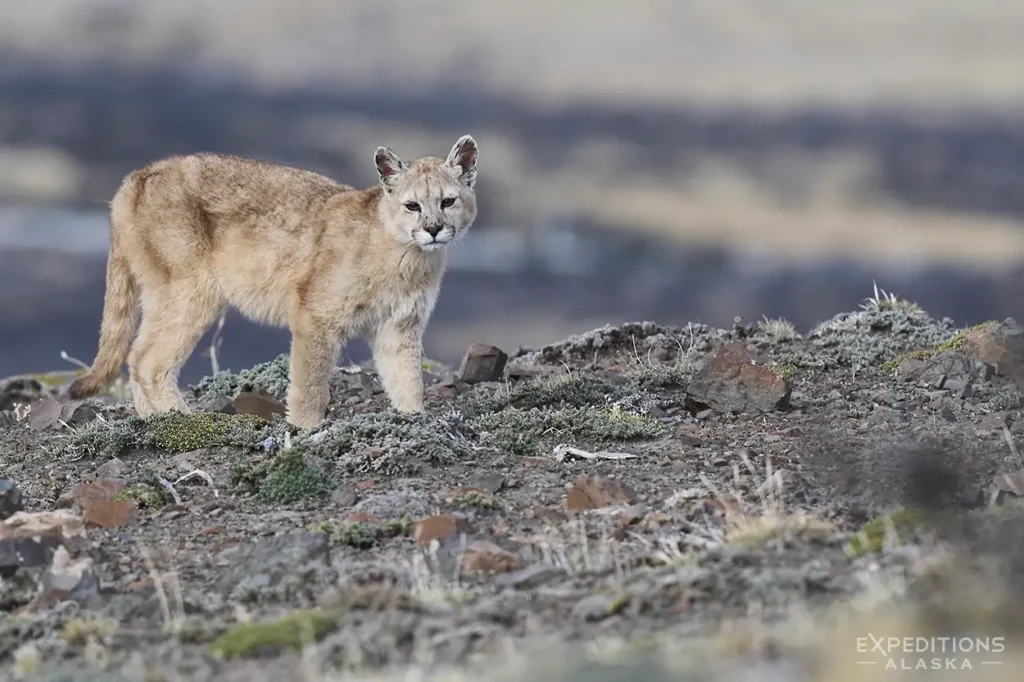
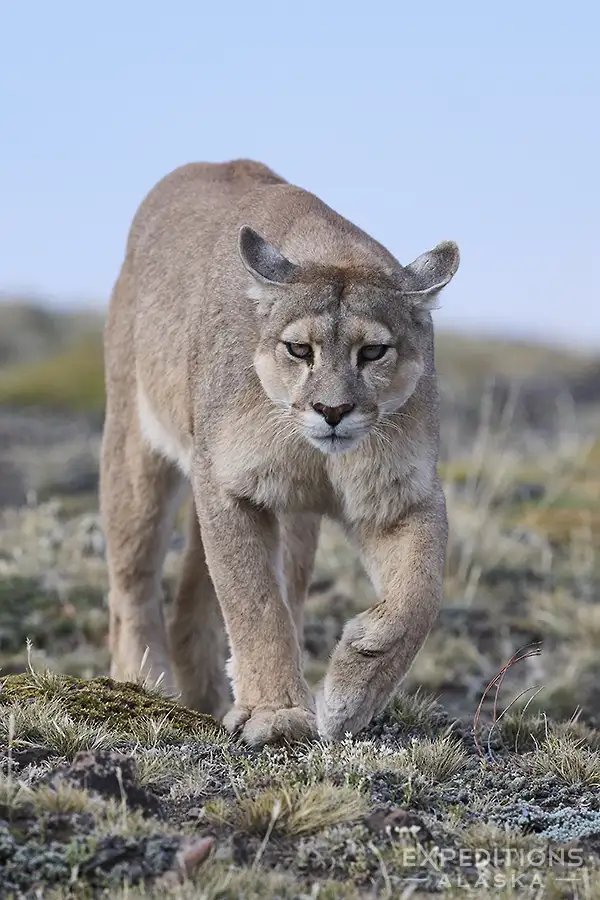
Torres del Paine’s pumas are remarkably tolerant of people. They approach us more often than we approach them. Last year we had pumas within 15 to 20 feet, often for extended periods. Multiple cats per day. Hours of sustained observation and shooting. There is nowhere else on the planet that offers this kind of proximity to a wild big cat in open terrain.
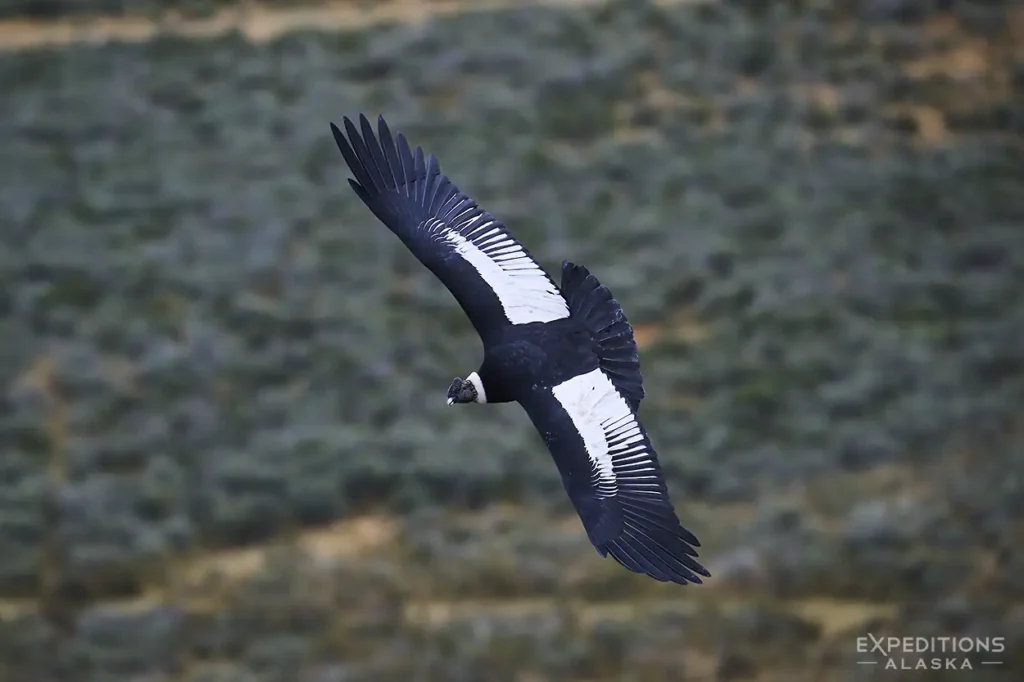
On the final day, we drive back to Punta Arenas with a stop at a condor roost for a dedicated photography session with Andean condors. Plan to fly out the day after we return to Punta Arenas, or stay on if you want to extend your time in Patagonia.
Who's It For?
Is This Trip a Match For You?
This tour is for serious wildlife photographers who want sustained time with a big cat subject. Not a quick look. Not a bucket list check. Five days of focused field work, building a body of work with an animal most photographers never get close to.
You should be comfortable spending all day outside in variable conditions with your camera. When the pumas are active, we stay with them. There are breaks. There are slower stretches. But when it’s happening, this is not a half-day tour with a scheduled return. We work the light and the activity until the day is done or our time on site runs out.
You need to be able to walk.
You don’t need to be an athlete, but you need to be mobile. We may walk two miles following a puma with a lens over our shoulder across open ground.
The terrain is not technical. It’s open, walkable tundra with no trail. But if mobility or fitness is a real concern, this trip may not be the right fit. You need to be able to go when the pumas go, and sit and wait when they sit and wait.
How Hard Is It
Moderate.
The biggest variable is weather. Patagonian wind is the primary challenge, not the terrain. It can blow, and when it does, you adapt. Rain is possible. Conditions shift through the day. We play it by ear and respond to what the weather gives us. Last year we had favorable conditions throughout, but you should come prepared for wind.
The walking is steady, not strenuous. Open ground, no bushwhacking, no scrambling. But it can add up over a full day, and you’re carrying camera gear while you do it. If you’re someone who hikes regularly and can walk a few miles at a reasonable pace with a pack, you’ll be fine.
Patience is part of it. Wildlife photography always involves waiting. Some sessions are hours of observation followed by a few minutes of extraordinary action. If that sounds frustrating to you, think carefully. If that sounds like exactly how you’d choose to spend a day, this is your trip.
Camera Gear
Your lens choice matters more than anything else on this trip. Light, long, and fast is the ideal. But you can only get two of those three, so pick the two that work best for you and your ability to carry it in the field.
A zoom in the 100–500mm range is ideal for the way we work. You’ll be moving. A 600mm f/4 produces incredible results if you can handle the weight over distance, but that’s a personal call. When a puma starts walking, you need to be able to grab your gear and go. A monopod is the preferred support. Lighter than a tripod, faster to set up, and you can move with it. If you want to bring a tripod, it’ll ride in the vehicle for when we’re stationary.
- Camera body and a backup
- Plenty of batteries and memory cards, plus backup storage
- Small day pack (required). This carries your gear, layers, water, and lunch when we’re on foot.
- Chilean power outlet converter for charging
- Hiking boots or solid trail runners
- Windproof rain gear. Patagonia’s wind is real. It can blow hard, especially in southern Patagonia. Whatever rain gear you bring needs to handle sustained wind, not just rain.
- Layers. Beanie. Gloves. Conditions can shift through the day.
- Water bottle
- Comfortable clothes for the hotel in the evenings
Travel light in the field. When we get out of the vehicles to follow a puma, you want your camera, your lens, maybe a spare battery, and not much else.
Puma Trip Itinerary
Day 1 — Transfer and Orientation
Van transfer from Punta Arenas to the hotel in Cerro Castillo. Afternoon landscape photography in the Torres del Paine area. Orientation and dinner at the hotel.
Days 2 through 6 — Puma Photography
Breakfast at the hotel. Packed lunch for the field. Full days tracking and photographing wild pumas on private ranchland. Morning and evening landscape sessions as conditions and puma activity allow. Guanacos, birdlife, and Patagonian scenery throughout. Dinner at Hotel Estancia each evening.
Day 7 — Condors and Return
Breakfast at the hotel. Van transfer back to Punta Arenas with a stop at a condor roost for dedicated Andean condor photography. Arrive Punta Arenas by late afternoon.
Puma Photo Tour FAQs
-
What are the chances of actually seeing a puma?
Very good.
I don’t know of anyone who has spent multiple days doing this in the Torres area and come away empty.
We might have a slower day here or there. Last year we had one day without a puma sighting, but on every other day we had one or more cats, sometimes for hours at a time, at very close range.
The odds are strongly in your favor.
-
How close do we get to the pumas?
It depends on the individual cat, but these pumas are generally very tolerant. They approach us more than we approach them. We find a good position, sit, and see what they do.
Proximity can be extraordinary. We’ve had cats within 10 to 20 feet. Often 50 yards, sometimes more. There have been no safety incidents on this ranchland over decades of photography. The creative variables are backgrounds and light, not distance.
-
What camera gear do I need?
The short answer is the longest, fastest lens you can comfortably carry.
Light, long, fast. Pick two.
A 100–500mm zoom or similar is ideal for mobility.
But it’s going to depend on you. A 600mm f/4 is outstanding if you can handle it over distance.
Bring a camera body and a backup, a monopod, plenty of batteries and cards, and a small day pack to carry it all. The full gear list is in the Gear Requirements section above.
-
What's included in the price?
Six nights lodging at Hotel Estancia. All meals from lunch on Day 1 through lunch on Day 7. One non-alcoholic beverage per meal.
Five days of guiding with expert local trackers. 4×4 vehicles and fuel. National park entrance fees. Van transfers between Punta Arenas and the hotel, both directions. The condor photography session on the return day.Not included: flights to and from Punta Arenas, lodging in Punta Arenas before and after the tour (though we can help you arrange it), alcoholic beverages, trip extensions, travel insurance, and tips for the local guides.
LATAM and Delta both fly to Santiago, Chile, and LATAM can get you to Punta Arenas from there.
-
Do I need to be in good physical shape?
You need to be reasonably mobile.
That’s a subjective term, but here’s what it means in practice: we might walk two miles in a day following a puma, carrying a camera and a long lens over open ground.
The terrain isn’t technical or steep. It’s open, walkable tundra. You don’t have to move fast, but you do need to be able to move.
Some days we spend more time in the vehicle than on foot. Other days the cats are on the move and we’re with them. If you can comfortably hike a few miles at a comfortable pace while carrying your gear, you’ll be fine.
-
What's the weather like? What should I pack?
Wind is the biggest factor. Patagonia, especially southern Patagonia, can blow. Rain is possible but wind is more likely to be the thing you’re dealing with.
Bring windproof rain gear, layers, a beanie, and gloves. Conditions can change through the day. Good hiking boots or trail runners, and comfortable clothes for the hotel in the evenings.
We had excellent weather last April, which is usually one of the rougher months, so November should be favorable. But come prepared regardless.
We’ll provide you a detailed gear list in our guest reservation portal.
-
How is this different from other puma tours in Patagonia?
Most puma photography operations in Torres del Paine are run similarly because access to the private ranchlands is managed the same way.
The differences come down to your operator, your guide, and the experience behind the camera. We work with one of the longest-running and most respected tracking outfits in the Torres area.
Excellent trackers, experienced drivers, first-class conditions. You’re on private ranchland, which means your group will generally be the only photographers on the cats, maybe one other group at most.
This is not a tourist bus.
Your trip is led by a photographer with 30 years of wildlife photography experience, not a tour operator who occasionally picks up a camera.
The focus is on your photography, from the field positioning to the light to the backgrounds.
November timing should be excellent for puma activity in this area as the guanacos are present and the cats are active.
-
Do you have a recommendation on where to stay in Punta Arenas?
Yes. There are lots of options and we’re happy to chat about those choices.
-
Where are we staying?
Hotel Estancia El Ovejero Patagónico.
This is a ranch-style hotel located in Cerro Castillo, Chile, just outside Torres del Paine National Park. The place is simple but clean, offers a combination of modern amenities and Patagonian charm.
Spacious rooms, quality service, and a strategic location near the border with Argentina.
-
Can we get a single supplement?
Rooms are booked as doubles, but we can try to make arrangements if you want your own room.
The cost for a single supplement is $900.00. If we get more people book singles, that comes down. For example, 2 people ea. with their own single supplement would be $500 ea.
That might be confusing, but it’s really me trying my best to keep your costs down as much as possible.
-
Do you recommend a third party insurance on top of that offered by my credit card?
People often ask “There is a trip cancellation/trip interruption coverage through my credit card. Generally, do you recommend a third party insurance on top of this coverage?”
Insurance purchase is (obviously) at the discretion of the trip guest.
I don’t have a lot of experience with it myself, but as a general rule, the people who’ve purchased 3rd party Trip Insurance seem to be happy with it.
If your card covers things, and you’re comfortable with that, then that’s obviously fine.
I’d recommend going over their policy closely and gauging exactly what they do and do not cover, and comparing that against a 3rd party policy. Speak to an agent and discuss the differences with them, and weight the pros and cons as works best for you.
Regardless, we strongly recommend trip insurance. A lot can happen between now and your trip.
-
Do you have a general Photo Tour FAQs page for policy, etc?
Yeah, for sure. Most everything is covered here .
-
I still have more questions
We all do. Questions are good. That’s how we learn. Either give me a call or send me an email and we’ll go through them.
We have a great trip portal that we invite you to upon your reservation. We’ll have a ton of info for you there, and a great group of responsive people who can usually answer all your questions.
Cheers.
You Might Also Like
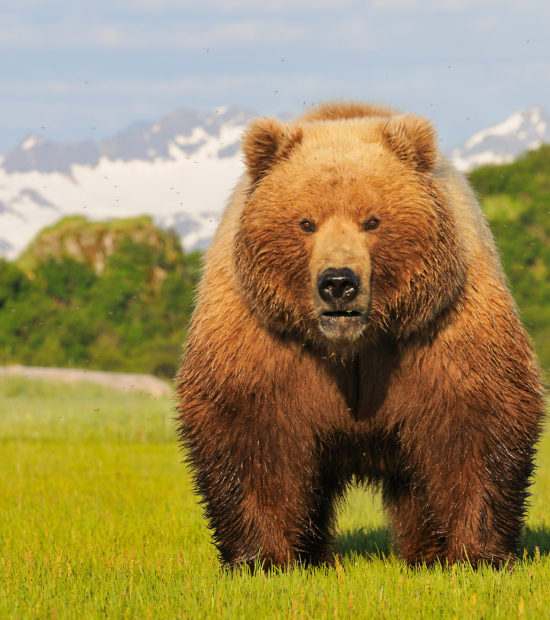
Alaska Brown Bear & Coastal Wildlife Photo Tour
Bears, bears and more bears. And seals, sea otters and bald eagles. Alaska as it gets.
Easiest
On a scale of 1 – 5, five being the most challenging, one boot is appealing. Basically it means “You got this”.
1 boot = basecamp/dayhike easy
2 boots = easier backpacking trip
3 boots = intermediate level trip
4 boots = intermediate to advanced backpacking
5 boots = ask yourself are you really ready for this?
11 boots = One louder. For when 5 boots just isn’t enough.
Expect whatever level you think might best fit you to be one level on our scale. Hiking here in Alaska is generally a step or three above what you’ll find in the Lower 48 states.
One boot is about as easy as we do here in Alaska. That doesn’t mean it’s easy; you’re carrying gear, and even on a basecamp trip you’ll find expending some effort required of you. And there is always the weather or some other adversarial element to contend with.
What you won’t find on a single-boot-rated trip is the difficult terrain challenges we see on our other ventures. No glacial moraines to deal with, or alder and muskeg, or sidehills to wreak havoc on your ankles hours on end.
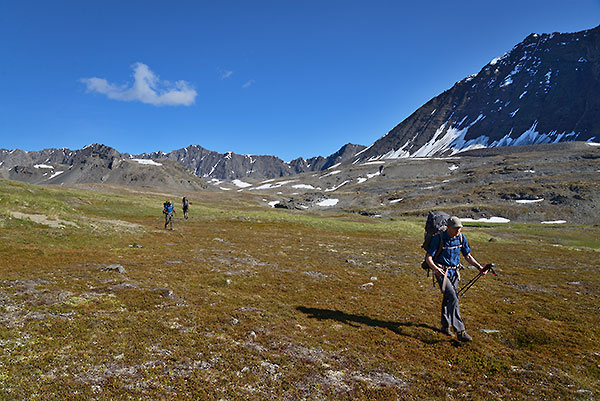
Great option for starters, the older or the younger folks who want to see some astonishing remote wild country, without all the rigors or the more common backpacking adventures we undertake. You’ll love it.
Week-long boat expedition along remote Alaska coast. Private charter, veteran captain, glaciers. And bears. Lots of bears.
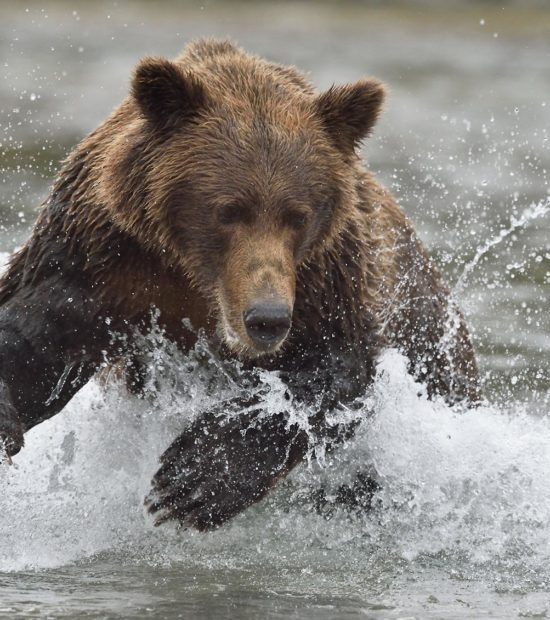
Grizzlies in the Mist
Just getting here is an adventure. The photography? Out of this world!
Mild
On a scale of 1 – 5, five being the most challenging, two hiking boots is at the easier end of the spectrum.
1 boot = basecamp/dayhike easy
2 boots = easier backpacking trip
3 boots = intermediate level trip
4 boots = intermediate to advanced backpacking
5 boots = ask yourself are you really ready for this?
11 boots = One louder. For when 5 boots just isn’t enough.
Expect whatever level you think might best fit you to be one level on our scale. Hiking here in Alaska is generally a step or three above what you’ll find in the Lower 48 states.
Realize that backpacking is never “easy”. You’re carrying from 35-50+ pounds on your back day after day. You’ll be hiking for a number of hours each day (varies trip to trip, day to day), and that’s not “easy” for most people.
That said, our “2 hiking boots” level should meet the need for most novice backpackers, and are generally what I recommend for families with younger kids, etc as well. Terrain challenges aren’t usually a problem, and the walking is somewhat more orthodox. You won’t be traversing 1 mile of steep sidehill covered in slippery rocks, or snaking through dense thickets of alder and willow.
Camp the Katmai Coast. Photograph brown bears daily from our remote wilderness basecamp. Fall light, no crowds.