The Arctic National Wildlife Refuge holds an intact Arctic and subarctic wildlife community. Polar bears along the Beaufort Sea coast, grizzly and black bears in the interior, musk ox, moose, caribou (the Porcupine and Central Arctic herds), dall sheep in the Brooks Range, wolves, wolverines, lynx, fox, beaver, and river otter. More than 200 bird species use the refuge, including waterfowl, raptors, loons, and shorebirds that fly in from six continents to breed. And mosquitoes. A lot of mosquitoes.
Mammals
Carnivores: Polar bears (Beaufort coast and pack ice), brown/grizzly bears (interior, Brooks Range, North Slope), black bears (south side, boreal forest), wolves, wolverines, lynx, Arctic fox, red fox, possibly coyotes.
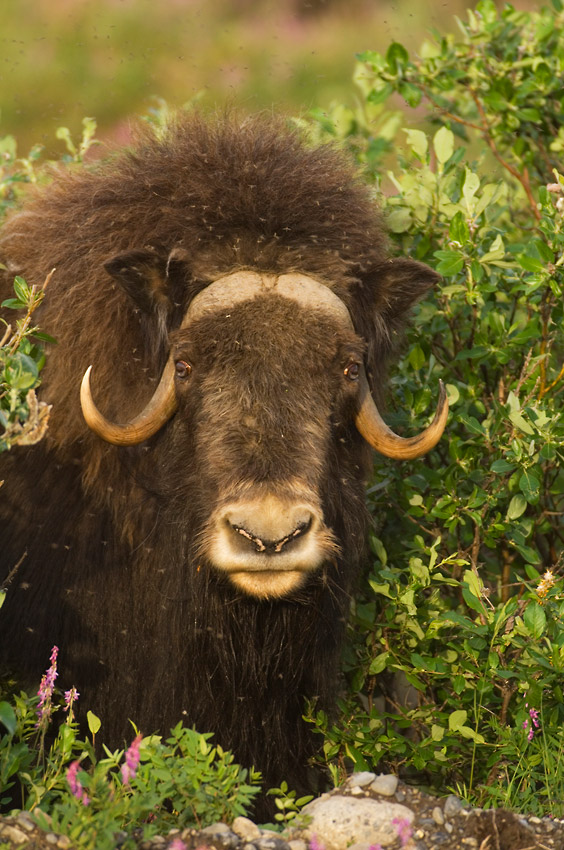
Ungulates: Moose (south side mostly), the Porcupine Caribou Herd (200,000+ animals, calving on the coastal plain), the Central Arctic Caribou Herd (smaller, North Slope), musk ox, dall sheep (Brooks Range).
Smaller mammals: Snowshoe hare, Arctic ground squirrel, Arctic hare (less common), beaver, river otter, marmot, voles, shrews.
Marine mammals along the coast: Harbor seal, ringed seal, bearded seal. Walrus may occur at the eastern edge of the refuge coast in some years.
Bears
Grizzlies are present across the refuge but spread thin across enormous country. Most parties don’t see one. It took me five or six trips into ANWR before I saw my first grizzly here. The trip I finally did, we saw three. That’s how it goes in country this big with thin food and large home ranges. Long stretches of nothing, then everything at once.
Black bears are restricted to the south-side boreal forest. Polar bears live along the Beaufort Sea coast and out on the pack ice. See the polar bears tour FAQ for more on coastal viewing.
Wolves
Wolves are present in good numbers in the refuge. Seeing them is mostly luck. They cover huge ground and they don’t want to be seen. The first wolf pack I ever encountered in ANWR was on a Canning River raft trip. Came around a bend and there they were, working along the bank.
Caribou
Caribou are the most ecologically and culturally significant species in ANWR. The Porcupine Caribou Herd is one of the largest in North America, migrating annually between wintering grounds in the southern refuge and the Yukon and calving grounds on the coastal plain on the north side. The herd’s calving grounds in the 1002 area sit on top of the major contested oil reserves, which is one of the central reasons the refuge has been the subject of decades of development debate. The Central Arctic Herd is smaller and uses the western portion of the refuge.
The most memorable wildlife encounter I’ve had on the refuge was a caribou crossing on the Canning River in 2008. We were rafting through the coastal plain. I spotted a herd off to the west, in the fog, headed north and east. I told the group to stay quiet, and we tried to read where the caribou were aiming for. We pulled over on the east side of the river, beached the raft, and just sat very still. The caribou kept coming. Bulls with full racks of antlers, cows, calves only a couple of months old. Close to a thousand animals. They crossed the river all around us, sometimes within feet of where we were sitting. They swam, climbed out, shook themselves off, and trotted away east. The whole crossing took the better part of an hour.
Birds
The refuge sees more than 200 bird species across the year. The summer breeding influx is staggering. Migratory birds arrive from six continents to nest on the tundra during the brief Arctic summer.
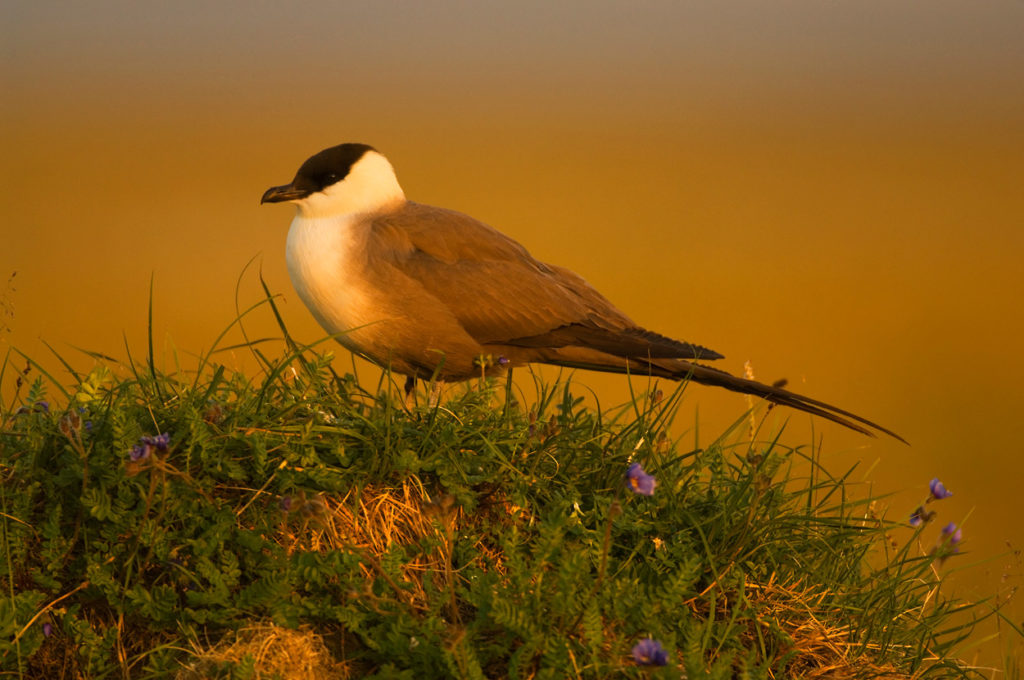
Notable groups: Tundra swans, trumpeter swans, snow geese, white-fronted geese, brant, king eider, Pacific eider, scoters, mergansers, and many other waterfowl. Loons including Pacific, Arctic, red-throated, and yellow-billed (the rarest loon in North America). Raptors including golden eagles, rough-legged hawks, gyrfalcons, peregrine falcons. Shorebirds in massive numbers across the coastal plain. Snowy owls in the open country.
Fish
Arctic char, Arctic grayling, Dolly Varden, lake trout, northern pike, whitefish in interior lakes and rivers. Pacific salmon push into some of the south-side drainages.
Mosquitoes
The other most common animal anyone associates with ANWR is the mosquito. Once the snow’s off and the sun is up, the tundra hatches mosquitoes in numbers that have to be experienced to believe. Multiple species are present and they cover most of the warm-season period. Bug nets, headnets, and DEET are not optional. They’re trip-defining.
Where to see what
Coastal plain: caribou (during calving), polar bears (coast, fall), waterfowl, shorebirds.
Brooks Range: dall sheep, grizzly, wolverine, wolf.
Boreal forest (south side): black bear, moose, lynx, marten.
Beaufort Sea coast at Kaktovik: polar bears in fall, marine mammals year-round.
For the comprehensive species list and current population data on the major animals in the refuge, the USFWS Arctic Refuge wildlife page is the official source.
You can see more animals and wildlife from the Arctic National Wildlife Refuge on my photo gallery here.