
The biggest persistent struggle for wildlife photographers isn’t gear or technique. It’s vision. After that, it’s patience, access, light, and weather rarely lining up at the same time. Patience to wait through nothing happening. Access to subjects that haven’t been photographed flat. Light that does what you want, animals that cooperate. Most fieldwork is spent waiting for the few moments those four things align.
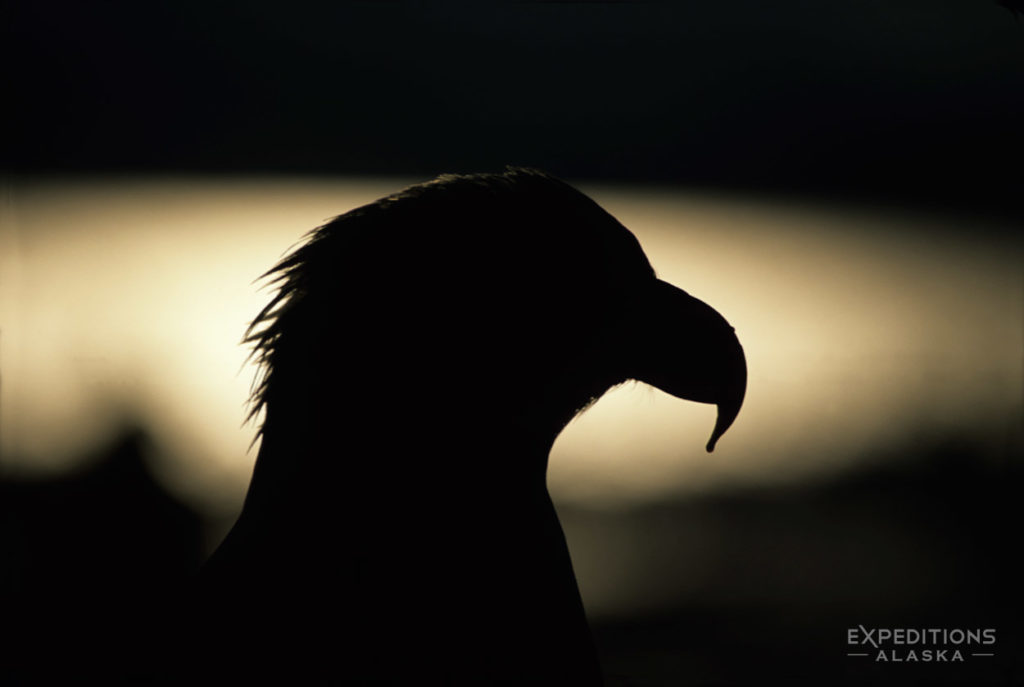
Vision; what it is
Seeing what isn’t there. You have to see a scene or a composition before it happens. Look for the elements that make a nice composition; backgrounds, light, lines, color combinations, etc. That nice little curve in the river is a great leading line. So look to see what likely path your wildlife subject might take to enter that scene. Right now, there’s no subject in the frame. Your job as a wildlife photographer is to look for what isn’t in front of you … YET.
Then find away to make that happen and capture it on your sensor.
Patience as a daily problem
Patience isn’t a one-time test you pass. It’s a fresh decision every hour you sit watching a riverbank with nothing on it. The temptation to leave and try a different spot is constant. Most of the time the right move is to stay. The animal you’ve been watching for shows up at hour five, not hour two. Photographers who can’t sit through the dead time don’t get the frames that come at the end of it.
Light that doesn’t cooperate
Coastal Alaska runs grey and overcast for stretches of summer. The interior runs warm and hazy in fire years. Light that does something interesting is uncommon enough to be worth planning around. We can’t make it appear. We can only put ourselves in position when it does. The struggle isn’t recognizing good light. It’s getting yourself in front of an animal at the moment good light is happening.
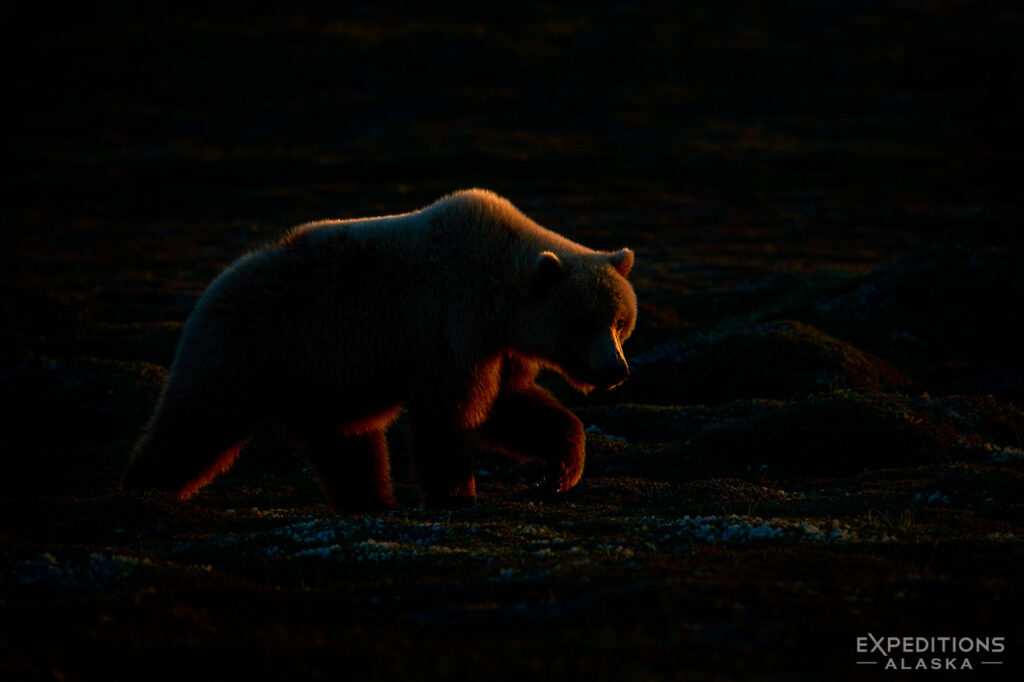
Animals that won’t do what you need
A bear that walks the wrong direction. A wolf that shows up just outside the lens’s reach. A bull moose that stays in the willows for the entire window. We can’t direct any of it. The frustration isn’t the failure of any one situation. It’s the cumulative weight of subject after subject not lining up. Most photographers who quit don’t quit because they can’t expose a frame. They quit because they got tired of going home with nothing to show for the trip.
The cost of access
Wildlife photography is expensive. Travel, gear, time off work, lodging, the trip you couldn’t afford this season. The photographers making strong work are usually doing so against a financial backdrop they don’t talk about. The costs are real and they accumulate. That’s part of why most working pros teach and guide. The income from photography alone rarely covers the cost of making it.
The mental load of keeping at it
Going out fifteen times for one frame is a particular kind of work. The first ten trips don’t feel productive in any conventional sense. The discipline required to keep going, knowing the math, is the part that separates careers from hobbies. It’s quiet. It’s not glamorous. It’s the actual struggle.