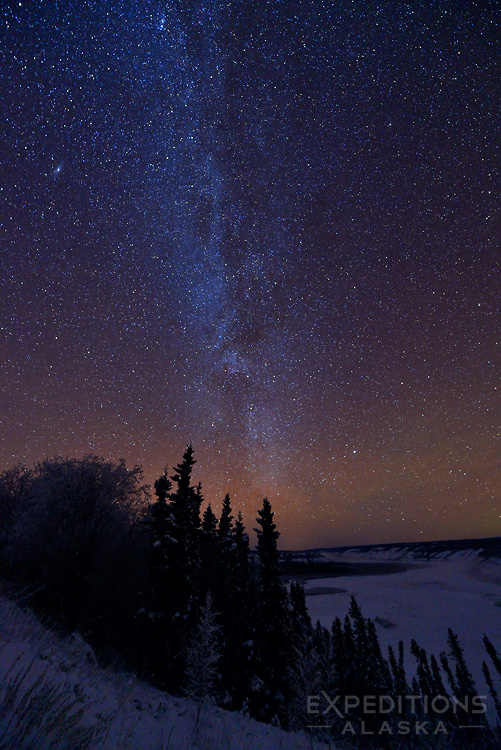
Welcome to 2013. Here’s a photo of the Milky Way, towering high over the Copper River, Wrangell-St. Elias National Park and Preserve. Standing outside at minus 40degrees to shoot at night here is a chore, but a pretty amazing experience all the same.
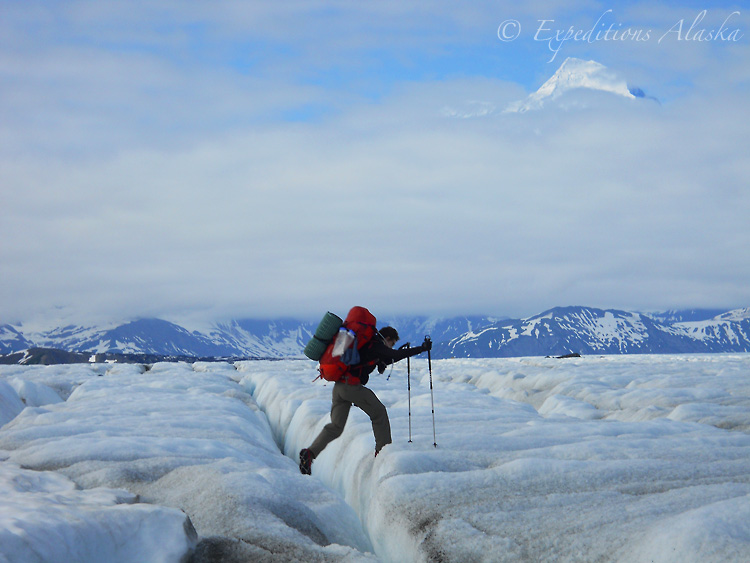
Jodee steps across a crevasse on the Malaspine Glacier, with 18 008′ tall Mt. St. Elias peaking thru the clouds in the background. Please click on the image above to view a larger version of this photo.
Hey Folks,
What better way to celebrate the new year than a quick tip of the hat to Expeditions Alaska’s trip of the year for 2012? The winner, for me, was the Malaspina Glacier traverse we did in August. 12 awesome days on the southern coastal edge of Wrangell-St. Elias National Park and Preserve, I led a group of 5 hardy adventurers over the largest piedmont glacier* in North America, down to the beach, and along the coast to our pickup place.
A sketchy start, as our backcountry bush pilot informed us, right before we departed, that we wouldn’t be able to fly to our intended destination in the Samovar Hills. The huge snowfall we’d had over the previous winter hadn’t yet melted out enough to land safely at the remote backcountry strip. Continue reading…
Polar bear (Ursus maritimus) male walking on fresh snow, waiting for freezeup in the arctic. Many polar bears come on shore in the arctic for the summer, before returning to the sea ice pack of the Arctic Ocean for the long winter. Please click on the image above to view a larger version of this photo.
Hey Folks,
In the holiday spirit, I’m offering three 8″x12″ monthly calendars as giveaways this year. All you have to do to enter is (a) be a subscriber to the “Ramblings” newsletter (you can subscribe below), and (b) correctly answer the question posed in the latest version of that newsletter.
Please do NOT enter your answer on this blog post, but send it to me via email.
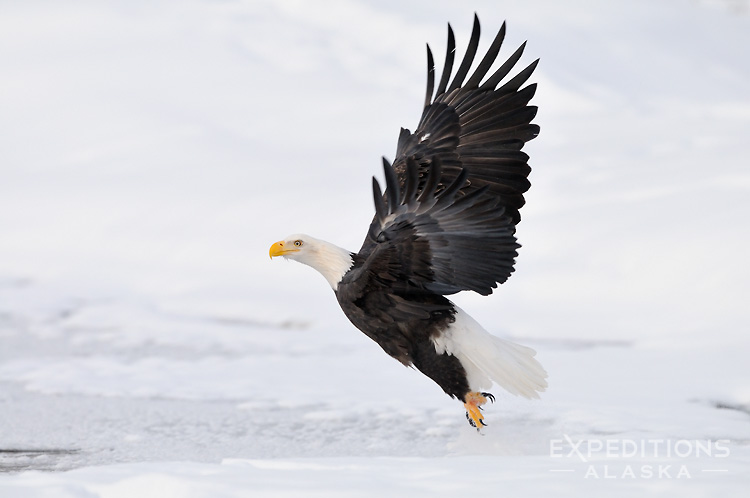
A bald eagle takes flight along the Chilkat River, Chilkat Bald Eagle Preserve, Alaska. Please click on the image above to view a larger version of the photo.
Hey Folks,
Welcome back! I’ve just returned from a photo trip to Haines, Alaska, photographing bald eagles along the Chilkat River, in the famed Chilkat Bald Eagle Preserve. Had an awesome, awesome trip, met a lot of cool people, and got some nice images. Anyone wanna join me there next year? The bald eagles are a real spectacle, to watch and to photograph.
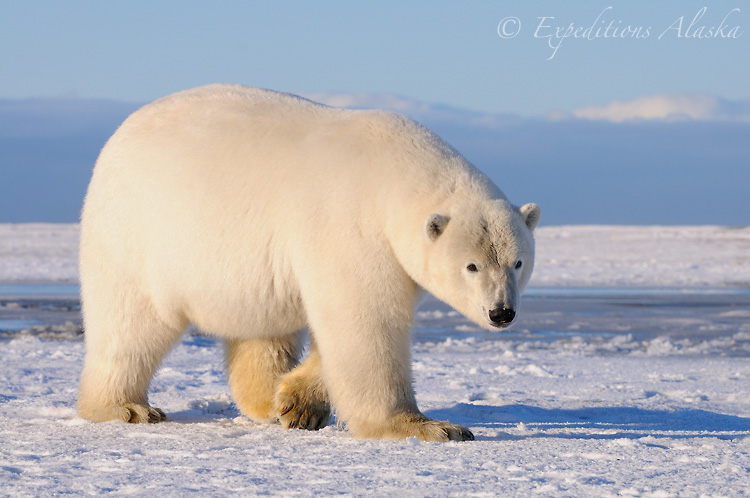
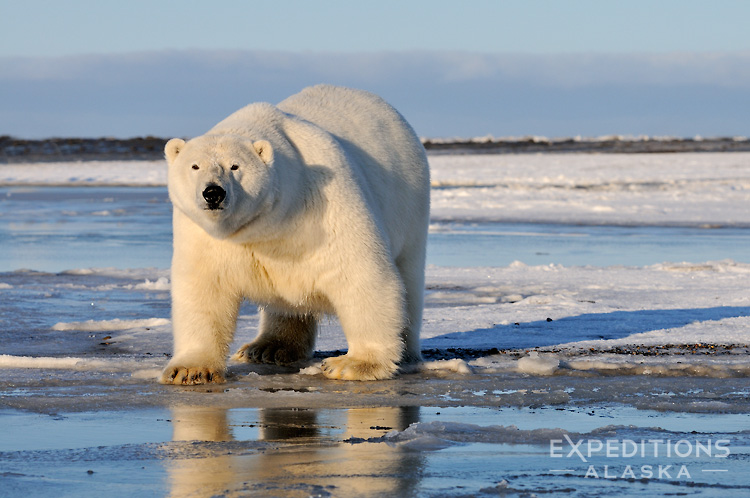
A large adult male polar bear, on the edge of the Beaufort Sea, arctic Alaska. Please click on the image above to view a larger version of the photo.
Hey Folks,
Bookings are now being taken for a week long polar bear photo tour in arctic Alaska for 2013. This tour is limited to 4 myself plus photographers only; a smaller group than any other polar bear photo tour I’ve seen advertised. For one week in October it’ll be our group and as many as 50 or more polar bears; this fall there were nearly 80 bears on the island at one time.
I won’t ramble on about it here; the details are all on the site on the Polar Bear Photo Tour page (naturally enough). In short, the dates are set for oct 7-14th, 2013, and we’ll be shooting polar bears each and every day that weather permits (this is arctic Alaska, afterall). We have a chance of catching northern lights as well, but this tour is really about the polar bears; though we’ll take any opportunities we can at the aurora as well, I’m sure.
We’ll charter a small boat with a local native Inupiaq guide to take us out each day, we’ll have great accommodations (including all food) and a rental vehicle as well. Everything’s taken care of once you arrive in town.
Also, you might be interested in the polar bear photos page on the gallery section of the site. We had a great shoot this year, and we were all more than happy with the images we brought home with us. The polar bears are really so different to photograph than grizzly or brown bears.
This male above, was one of the larger boars we saw, that we were close to; and they’re an impressive creature, some of these big boys weighing up to 1200lbs and more. We also saw young first year cubs, playful and cute, and bears of all sizes in between. There were so many bears on shore this year that the hardest part of photographing them was not getting a bunch of ‘stray’ bears in the background. Talk about first world problems!
Anyway, if you’re interested in the tour, drop me a line, as space is most definitely limited.
Cheers
Carl
PS: Oh, I’ll whack this short little promo video on here as well. Hope you like it (and I know, I know, I misspelled “terrestrial”, damnit).
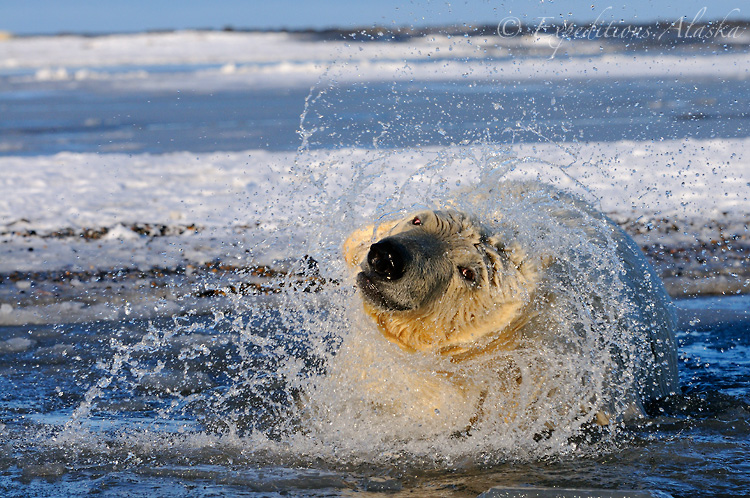
A young and curious polar bear surfaces from the Beaufort Sea, and shakes water from his head. Arctic Ocean, Alaska. Please click on the image above to view a larger version of this photo.
Hey Folks,
Here’s a curious young polar bear from our recent trip to the arctic. This young bear surfaced and stood in the shallow water, and shook like a dog; a 400 lb dog, but a dog nonetheless. Fortunately, the light was happening at the time, and I happened to have a camera in my hand.
I’ll be leading a small photo tour back here in 2013. Should be awesome!
A week in arctic Alaska, photographing Nanuq, the magnificent polar bear? An awesome, awesome trip. I took 3 people up earlier this month for a fantastic week, where we were so lucky to get to spend time up close and personal with polar bears; literally, dozens and dozens of polar bears. US F&WS estimates there were nearly 80 bears in the area in sept/oct.
These 2 youngsters were an absolute treat to watch, as they tussled and wrestled and ran and frolicked on the ice. With a great local Alaska native (Inupiaq) guide, we were able to watch these bears for several hours; everyone came home with thousands of great polar bear photos. I grabbed this quick video when I had to stop shooting and change memory cards in one of my SLR cameras. The bears were so much fun to watch.
Next year, 2013, I’ll be back for another round, leading a small photo tour for a week in the arctic, photographing the polar bears. Space is limited; I’ll keep the group to a maximum of 4 photographers and myself. I’ll have full details online this week, but the dates are scheduled for Oct 7-14, 2013. Drop me a note if this is something you’re interested in, as this trip will very likely fill quickly.
Cheers
Carl
PS: Oh, someone asked about the music track; it’s a little R&B groove I recorded (on guitar) with my friend Steve F on bass years and years ago. I found a copy of it and thought it’d be a cool track for this video. Steve sounds great on bass, as always.
It sounds better L-O-U-D, so turn your speakers up to 11.
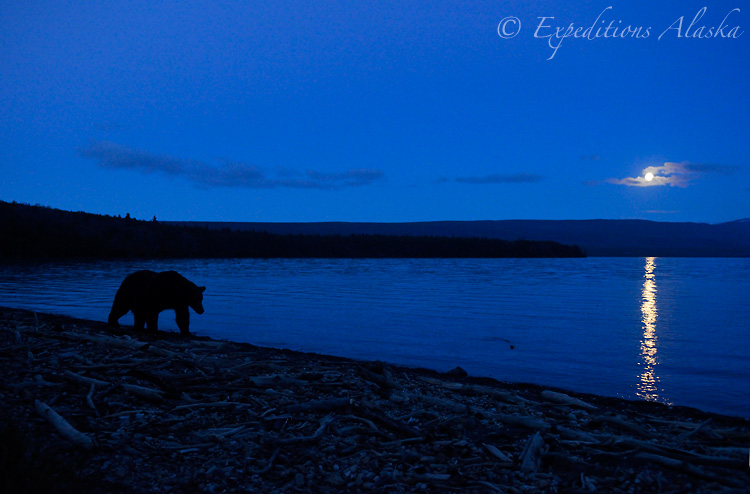
A brown bear walking by the edge of a lake under a moonlit sky. Please click on the image above to view a larger version of this photo.
Hey Folks,
Slowly catching up on image processing and whatnot after a full season of adventure. This year I ran a few new trips, which I’m looking forward to continue to explore over the coming years, but also enjoyed returning to some of the old favorite haunts. This image if from the Grizzly Bears in the Fall tour, a favorite of mine and popular tour every year.
Shooting these “animals in the landscape” style of photo is always difficult, as there are so many elements to combine. They also tend to work much better when shooting solo, as it’s difficult to get a group of people, even a small group, all in exactly that optimal spot for such a composition. As such, I tend to shoot more of the tighter “portrait” style shots on photo tours, and fewer of the animal in a greater landscape.
That said, I tend to really enjoy the wider image; my preference for wildlife photography is either to go extremely tight on framing the subject, or very wide. One of the folks on the trip shot this frame with about 16mm (I was at 28mm), and I really like this version; very sparse.
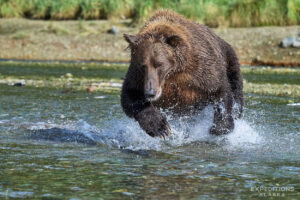
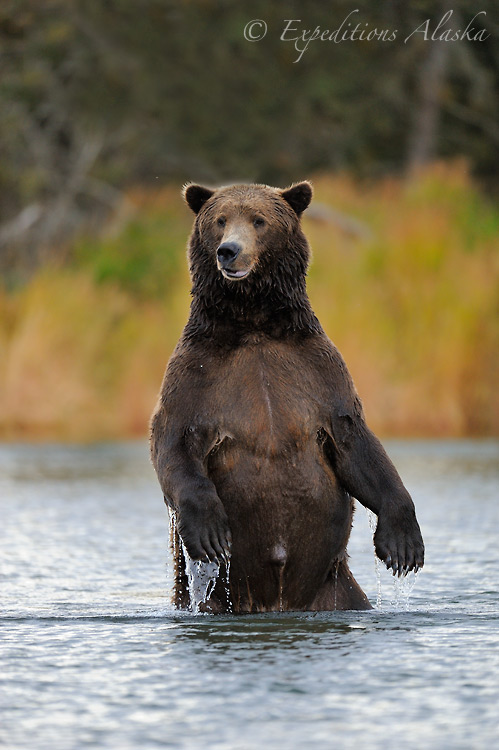
Just returned from 2 weeks in Katmai National Park, photographing the great grizzly bears there. This adult boar, who we call ‘Ted’, is a an old favorite of mine to photograph. Beautiful bear, and this year was the first year I’d seen him standing upright. Ted’s a big ole bear!
Heading out in the morning for a trip north, so I’ll follow up with more bear photos later.