The Place
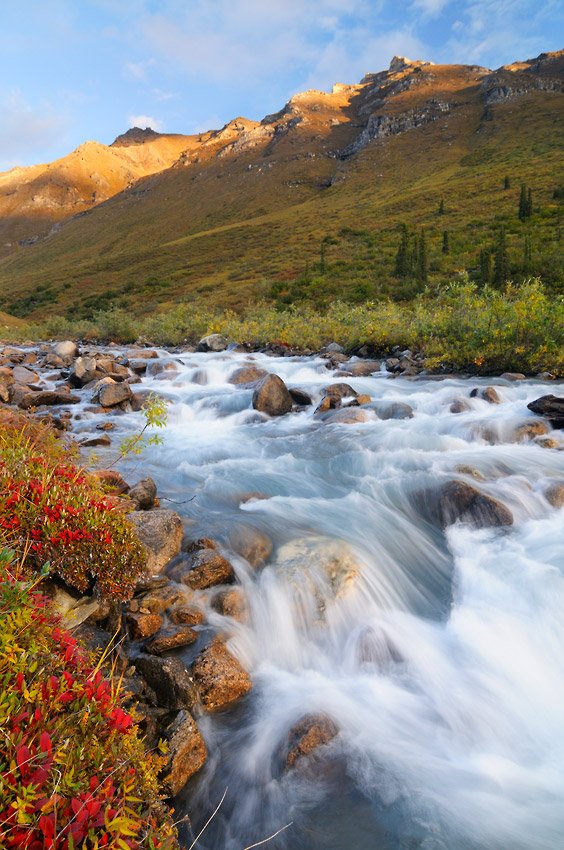
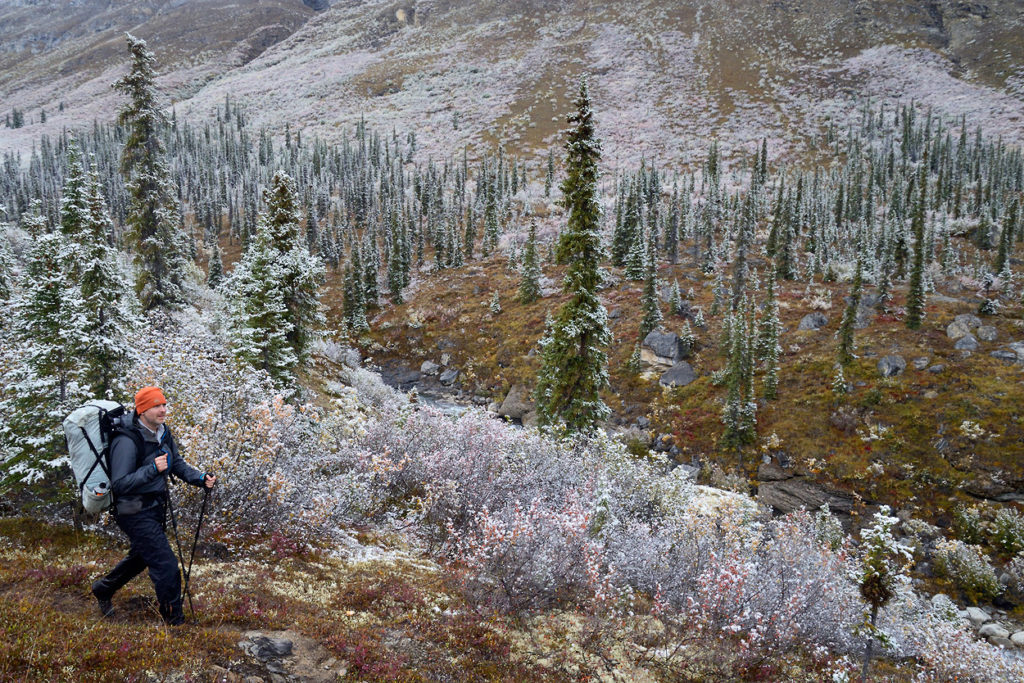
The hike is a combination of varied terrains and landscapes, including tundra, alpine and subalpine, boreal forest, and all the transitional landscape zones along the way. Gates of the Arctic National Park is a fantastically diverse area.
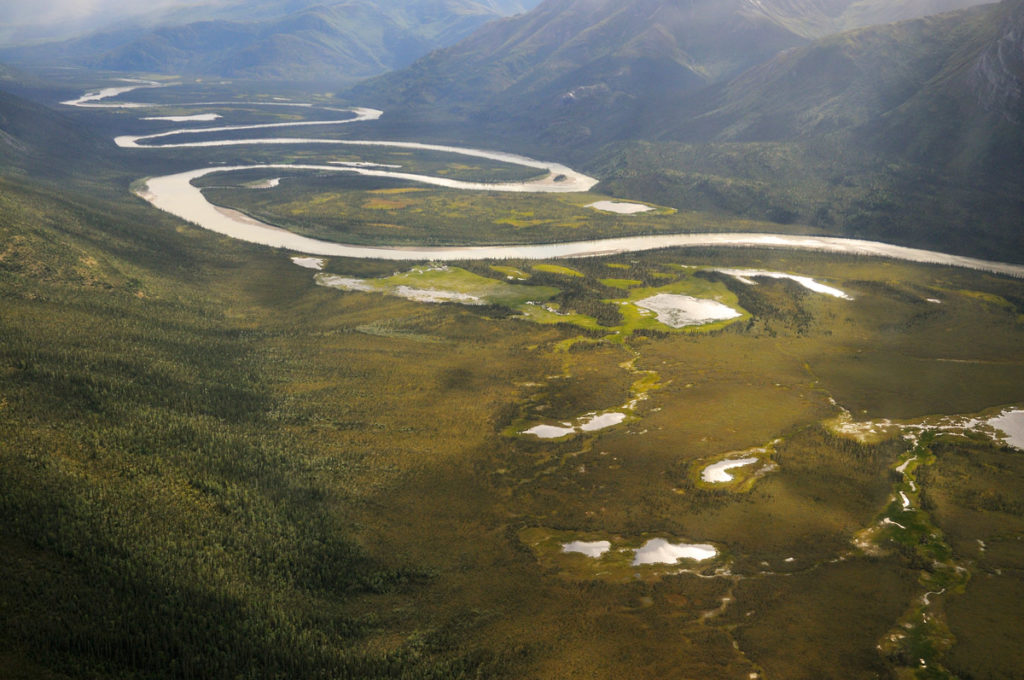
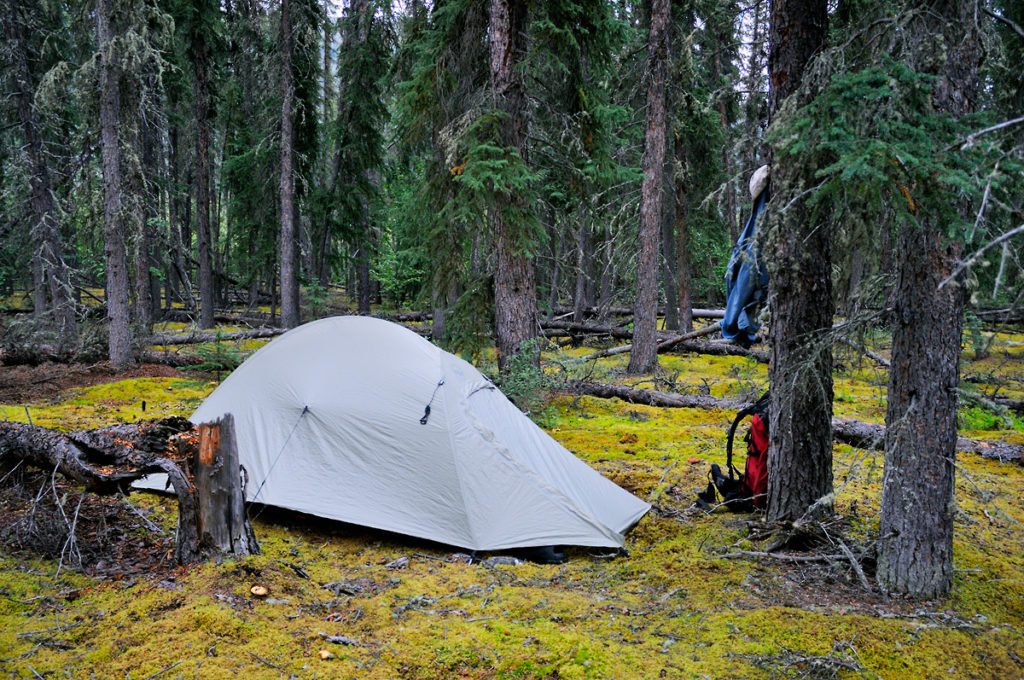
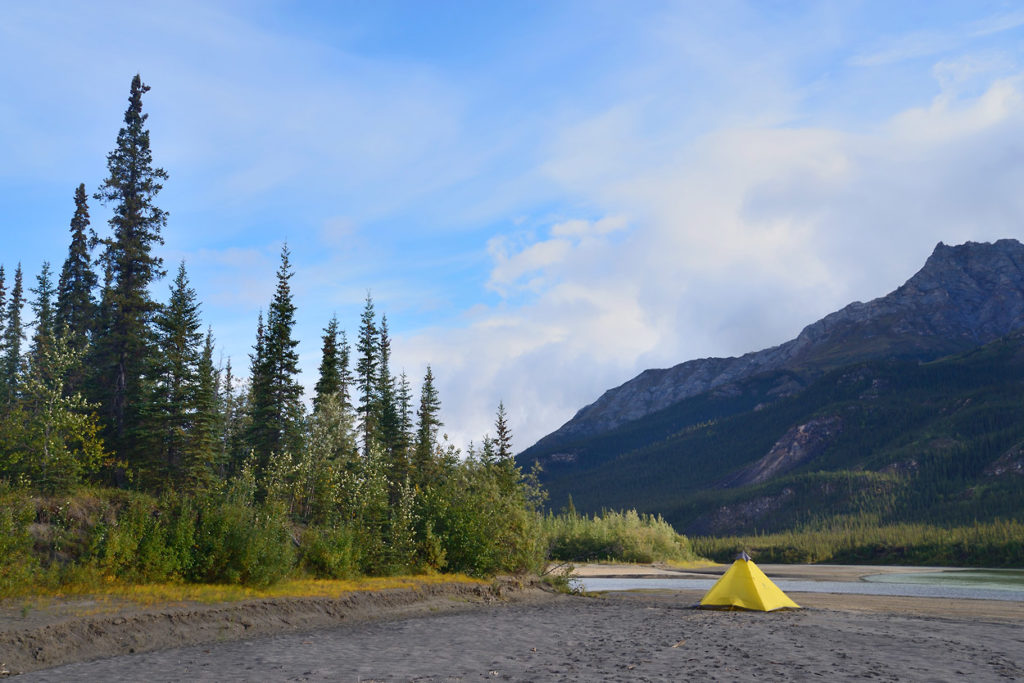
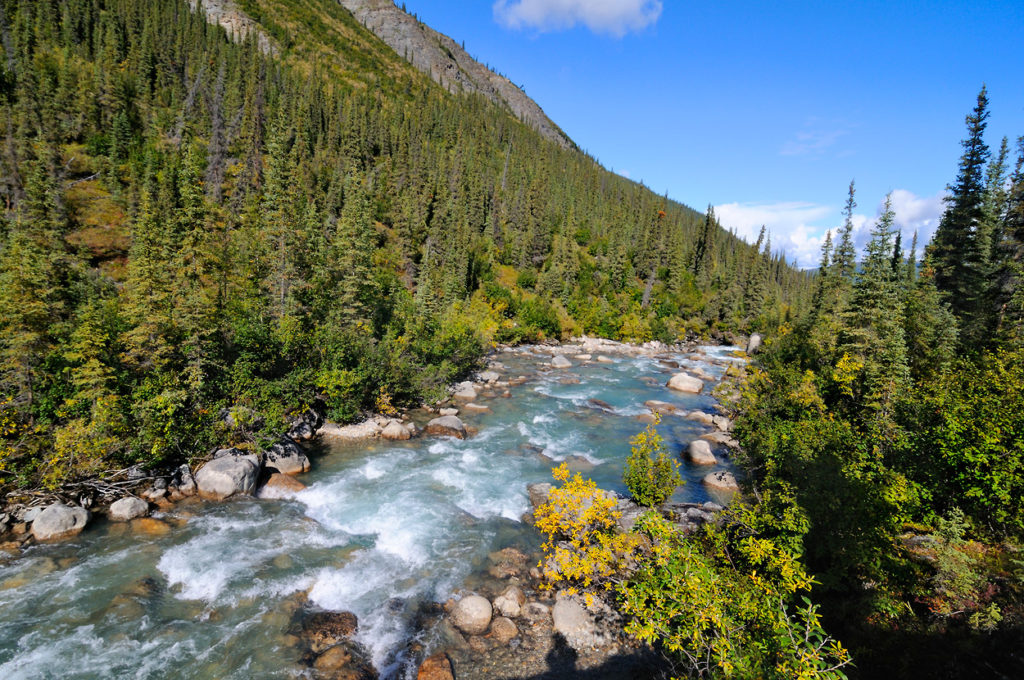
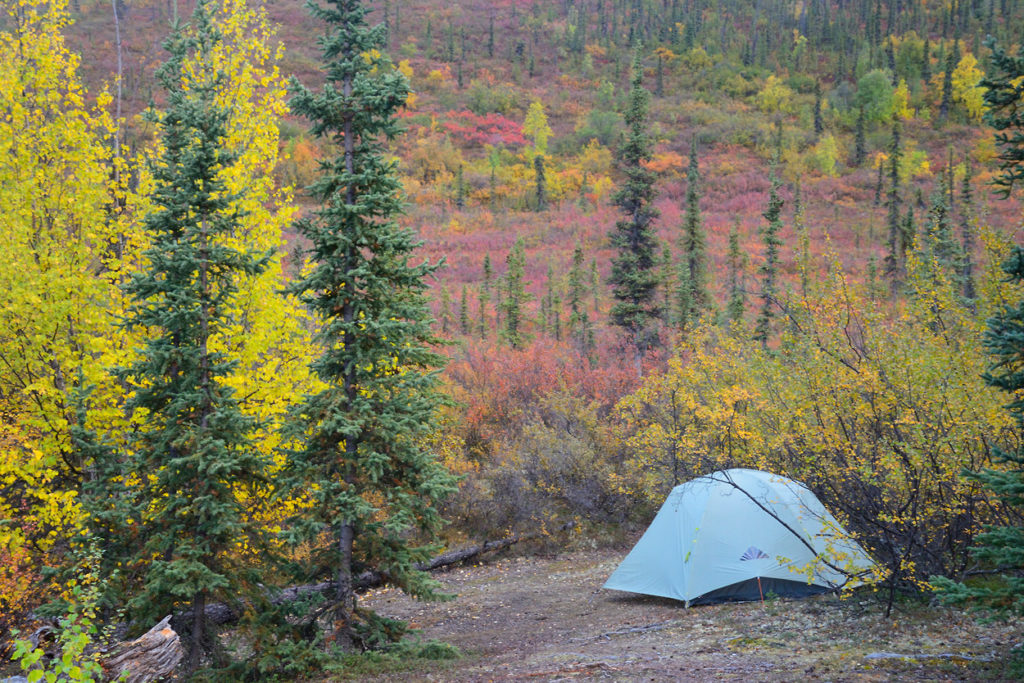
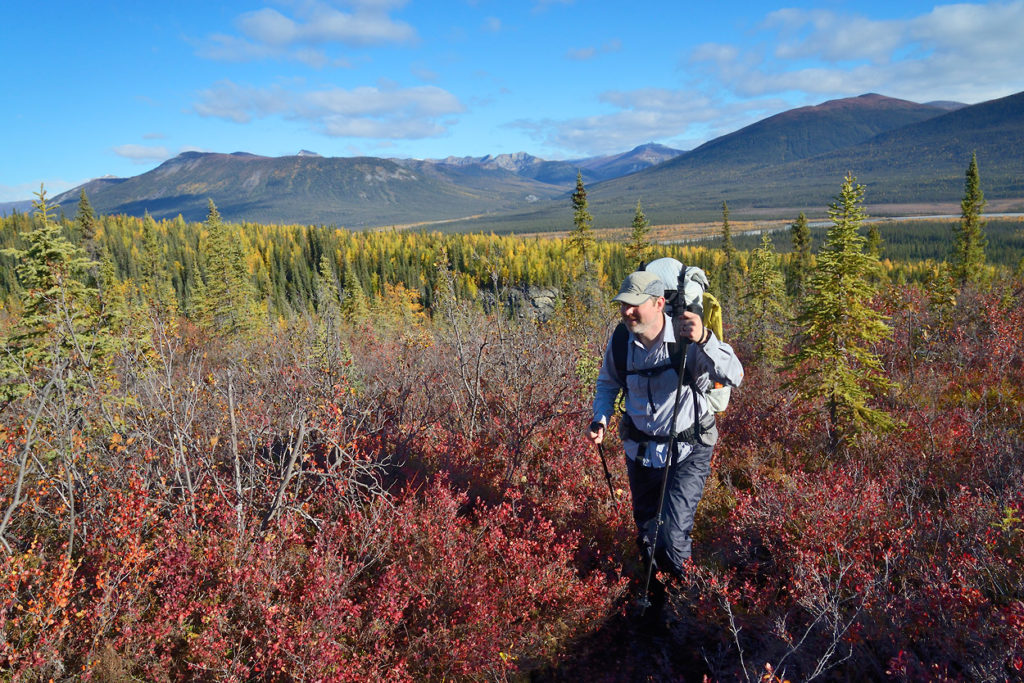
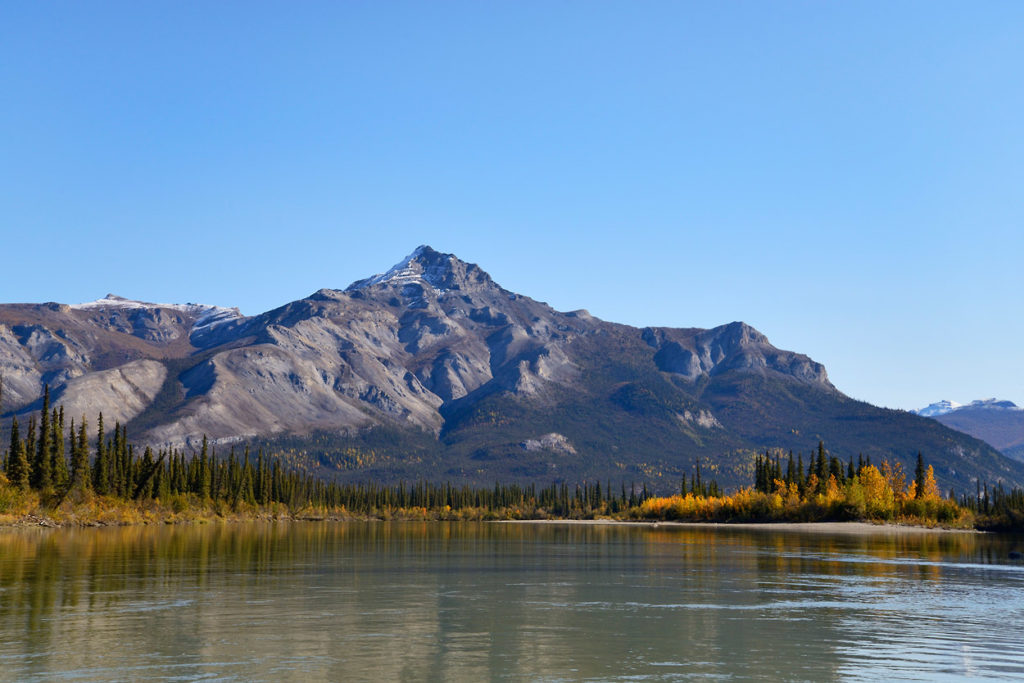
Starting out on the Alatna River, a designated Wild and Scenic River, we traverse through the boreal forest, mixed black and white spruce forest, interspersed with a few small groves of hardwoods here and there.
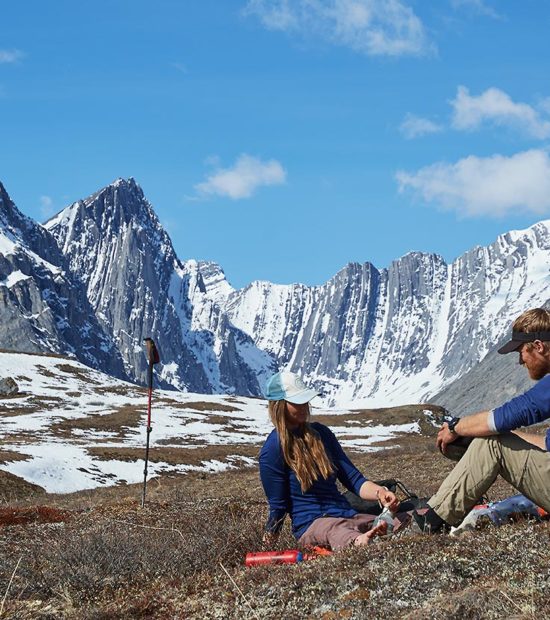
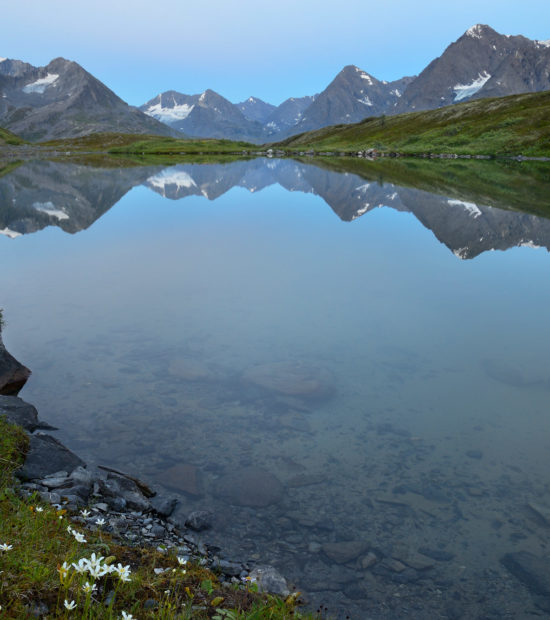
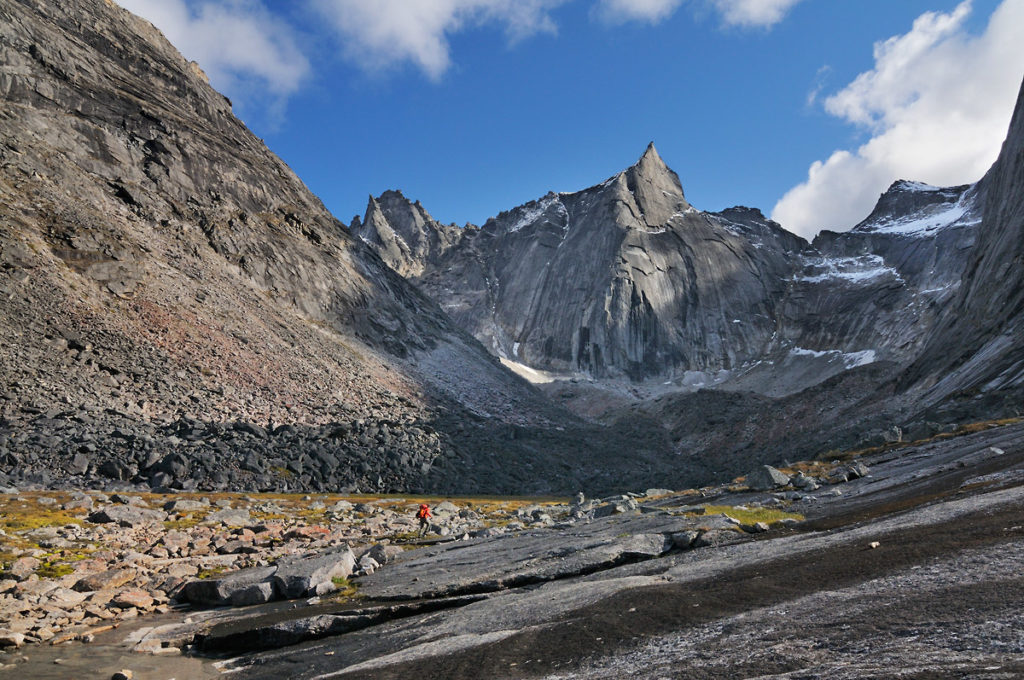
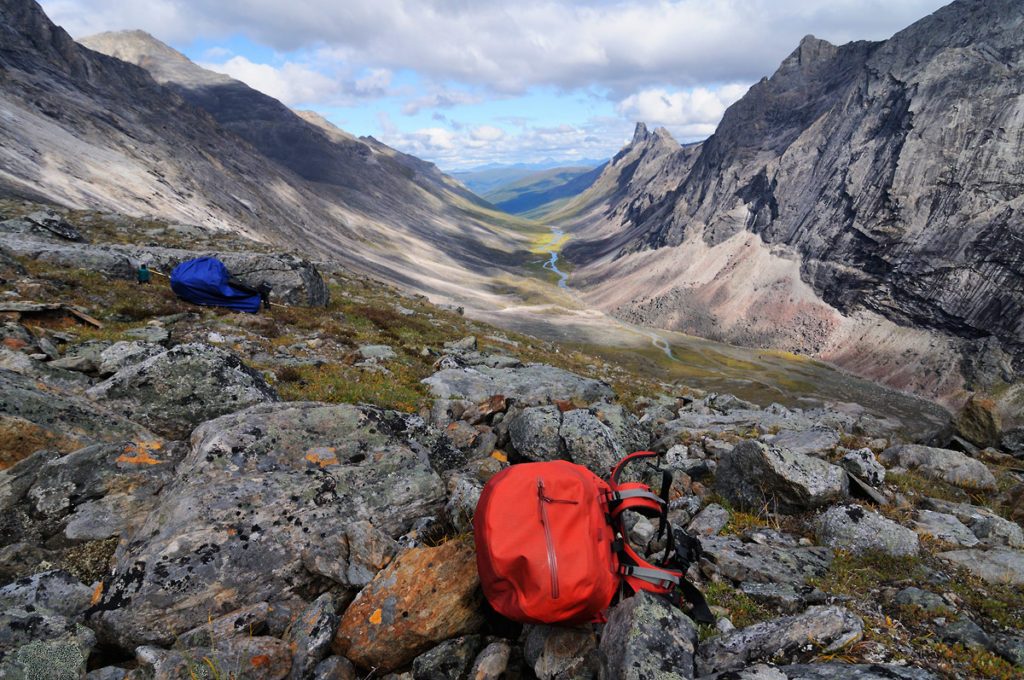
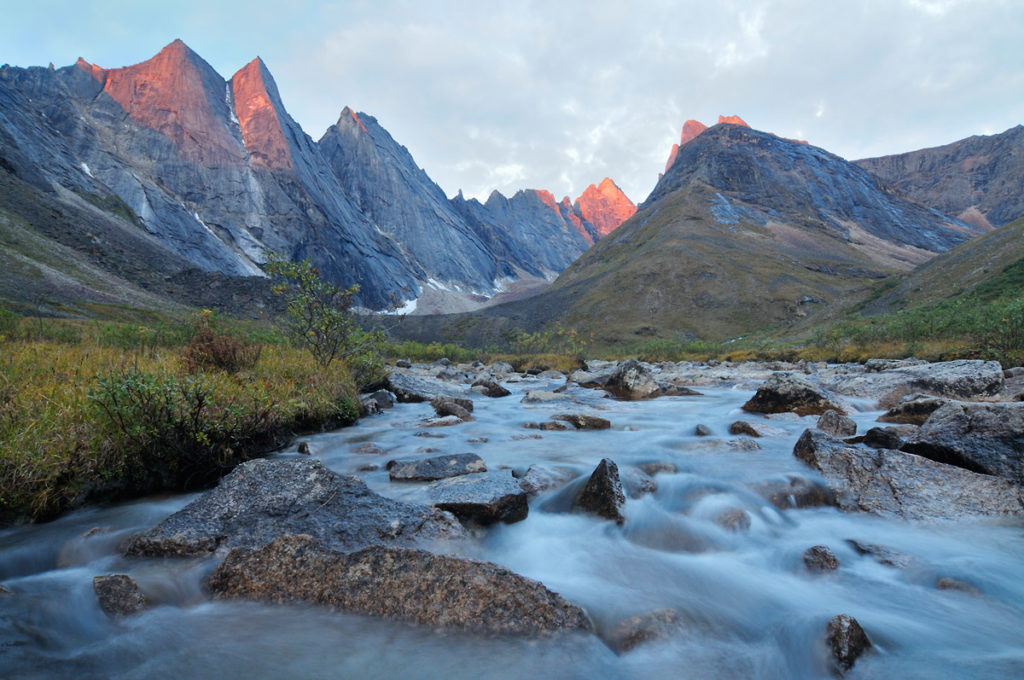
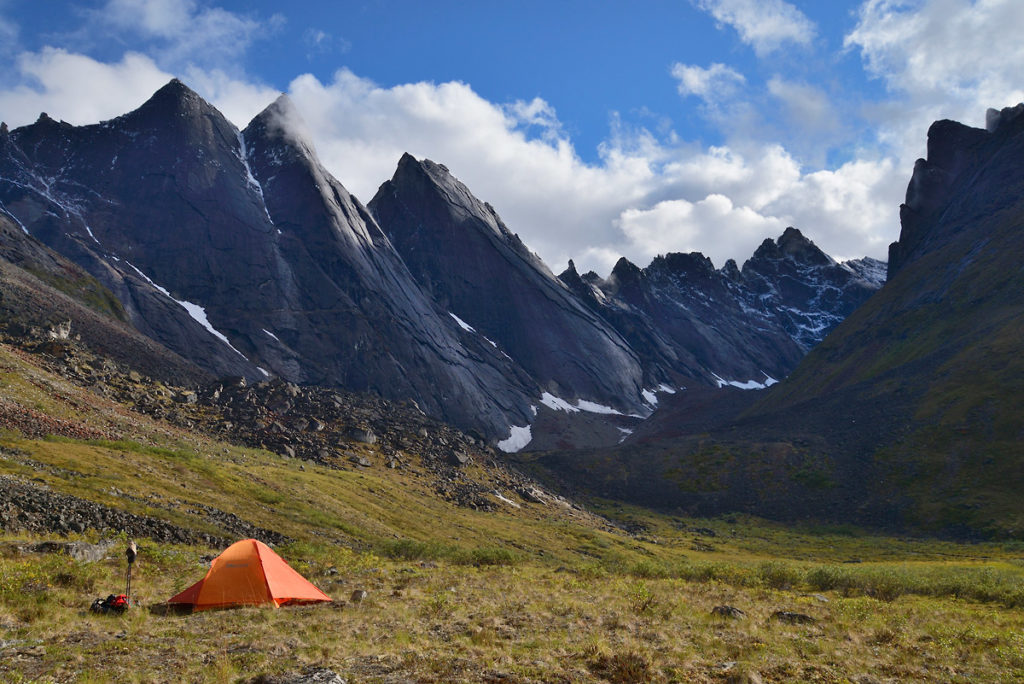
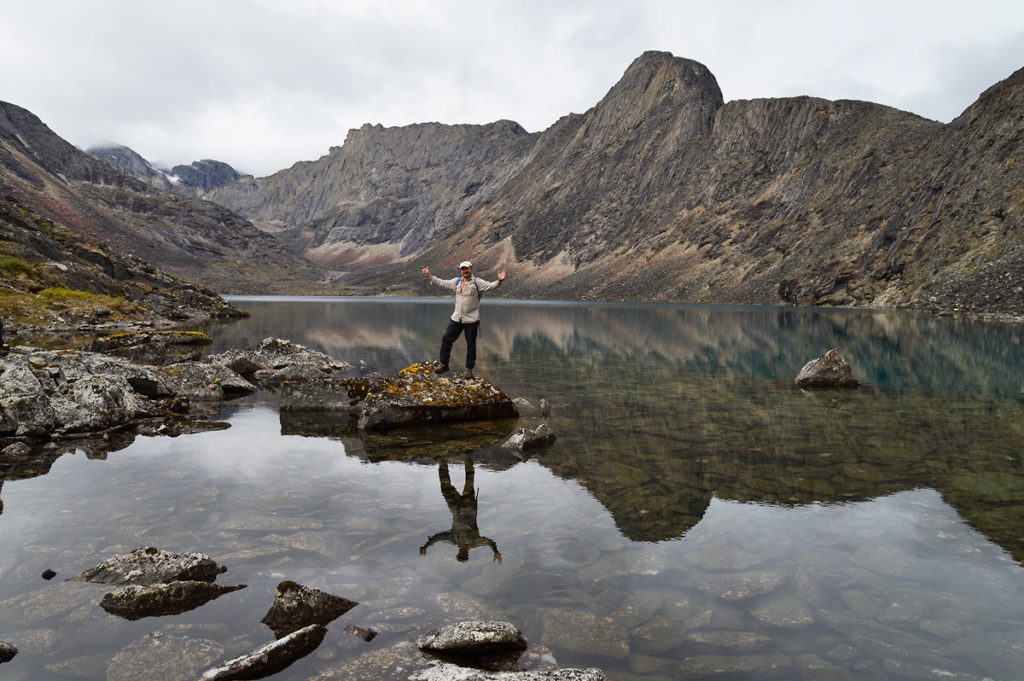
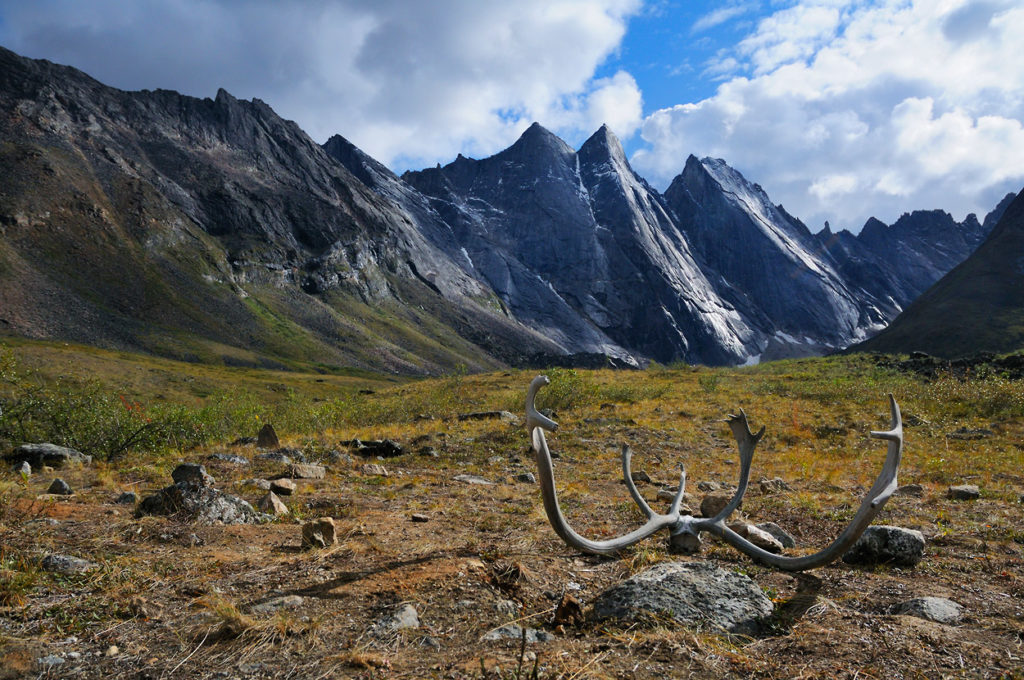
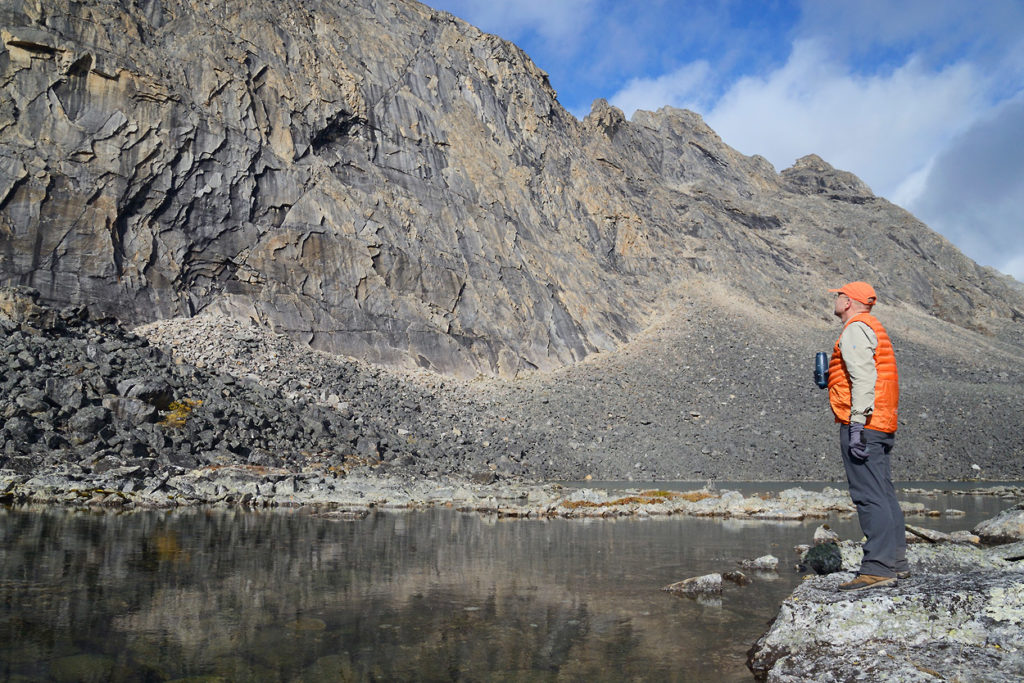
Ascend through the transition zone where we backpack through dwarf birch and brushy willow to reach the high subalpine country. Here you enjoy those amazing views of this special landscape; simply jaw-dropping granite peaks towering above our camp that we move beneath in amazement.
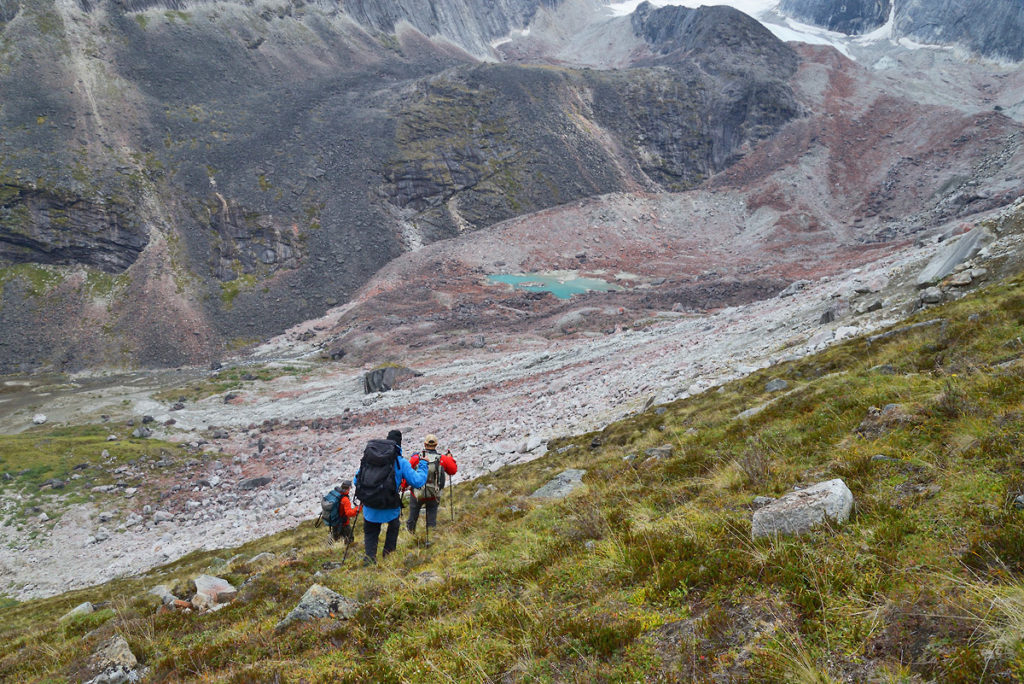
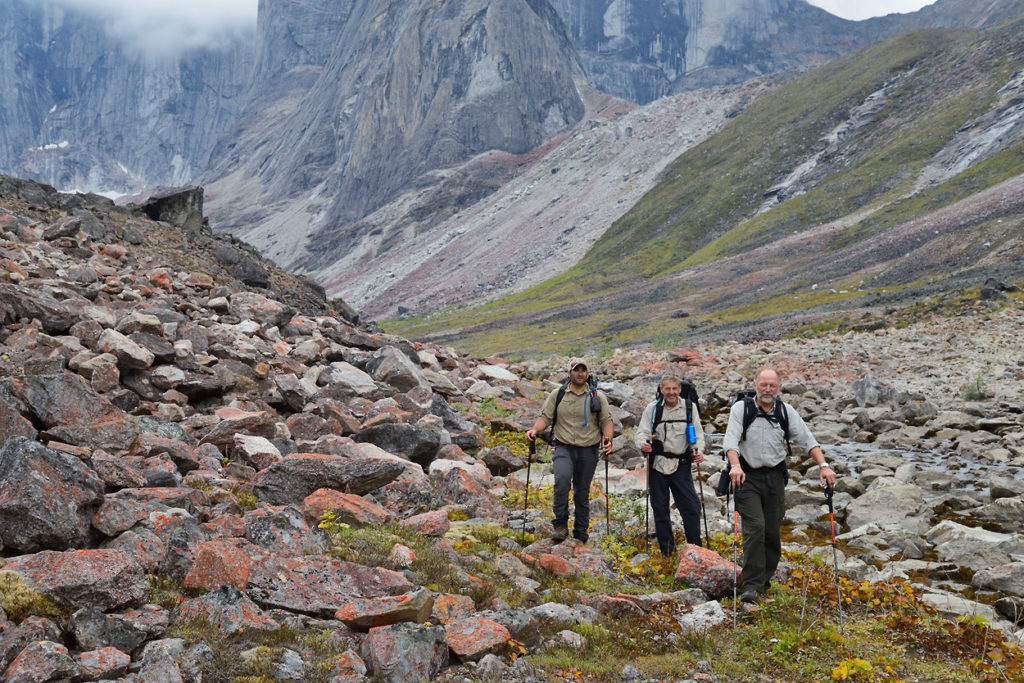
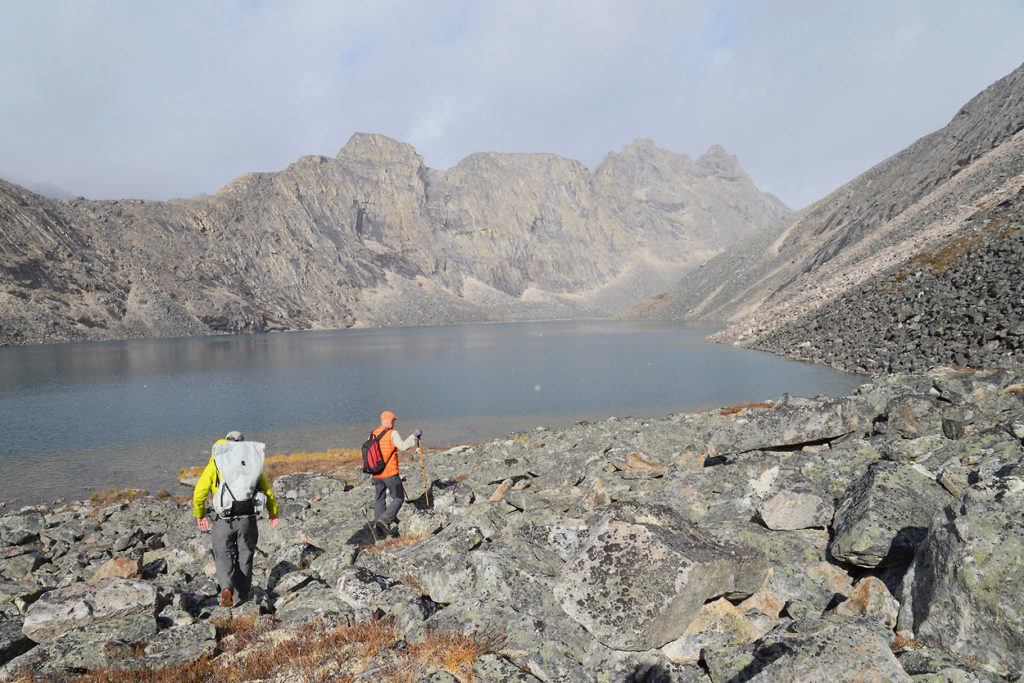
Endless talus and moraine tell the story of the harsh arctic climate here. The hiking is not always easy. It is, however, incredibly rewarding and you’ll snap your camera incessantly. This landscape is simply beyond description. Browse the slideshow of Arrigetch Peaks Trip Photos below and see for yourself.
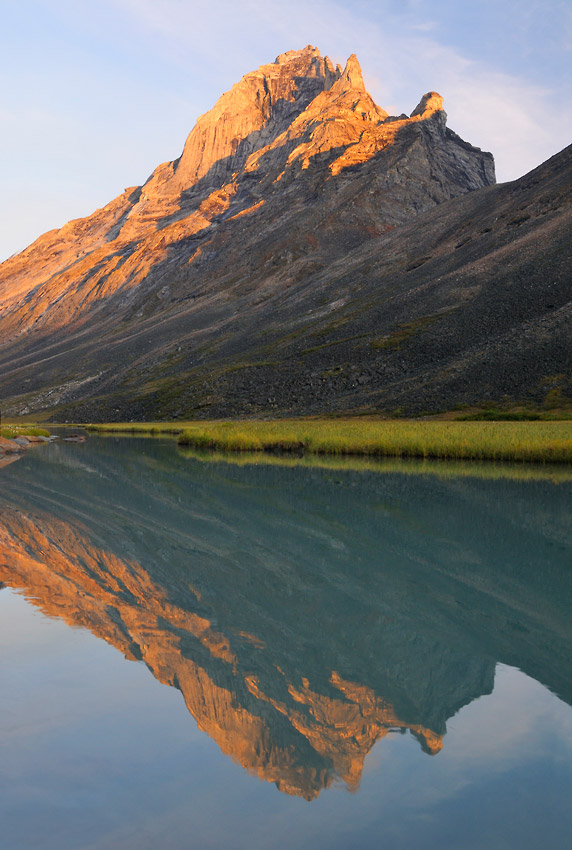
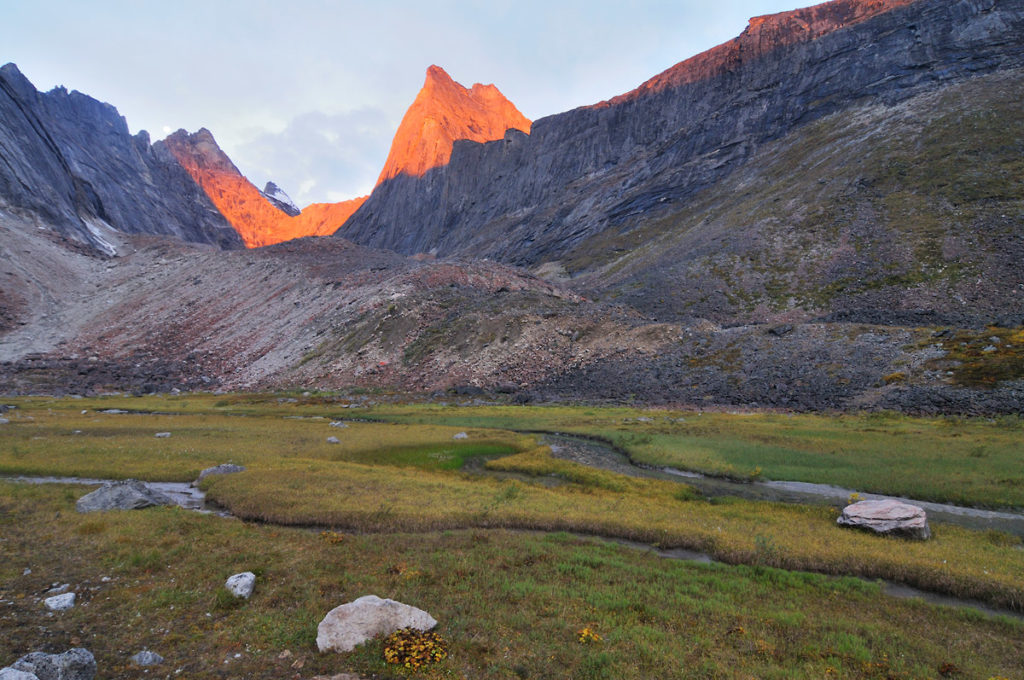
Massive granite spires and craggy pinnacles soar skyward around us. We’ll be sure to have a grand time walking the alpine valleys and passes, the basins and the meadows.
This area includes the three drainages of the high Arrigetch Peaks valley. You’ll also take a nice ridge hike for that bird’s eye perspective.
Stunning country.
Testimonials
Is This A Match?
Who’s It For?
Some backpacking experience is required for this trip. The walking can be a little intimidating for novice hikers.
This is a longer backpacking tour with a minimum 8-10 days of backcountry time so you carry a heavy load. We basecamp in the peaks area itself, which helps mitigate that slightly. It’s still quite a slog to get you and your gear and food up there. And back down again.
You’ll want to have some tolerance for discomfort. Heavy loads, bugs, (at times) uneven footing, and lots and lots of boulder hopping up in the peaks area aren’t for everyone. But if this stuff something you’re comfortable with the Arrigetch Peaks backpacking trip offers you a remarkable experience.
Biggest Challenges
Getting there. It takes time. Just getting to the Arrigetch Peaks involves quite a bit of travel even once you’re in Alaska. This is the primary driver of the trip cost.
Bushwhacking through muskeg. Most Alaskans I know rate muskeg the toughest of the various terrain challenges we experience here (followed immediately by sidehilling). Muskeg is slow going. And hard.
Boulder hopping in the high country. Hiking over rocks isn’t for everyone either. The talus and boulders in the valley known as Aquarius are pretty tough going even without your backpack on. Prepare yourself for a challenge.
Packrafting Trip Extension
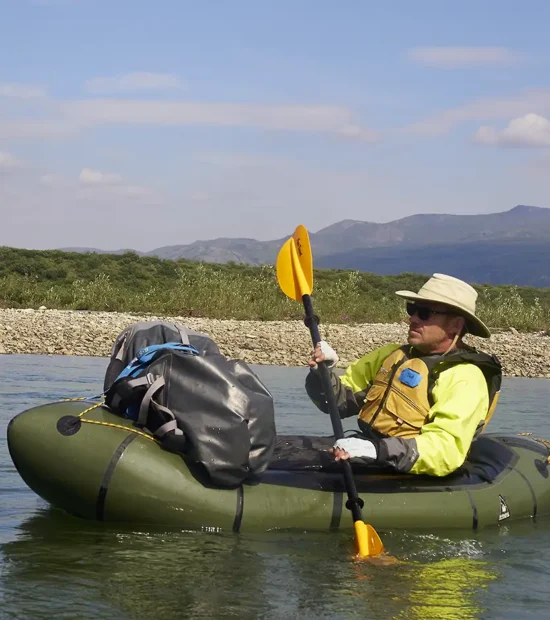
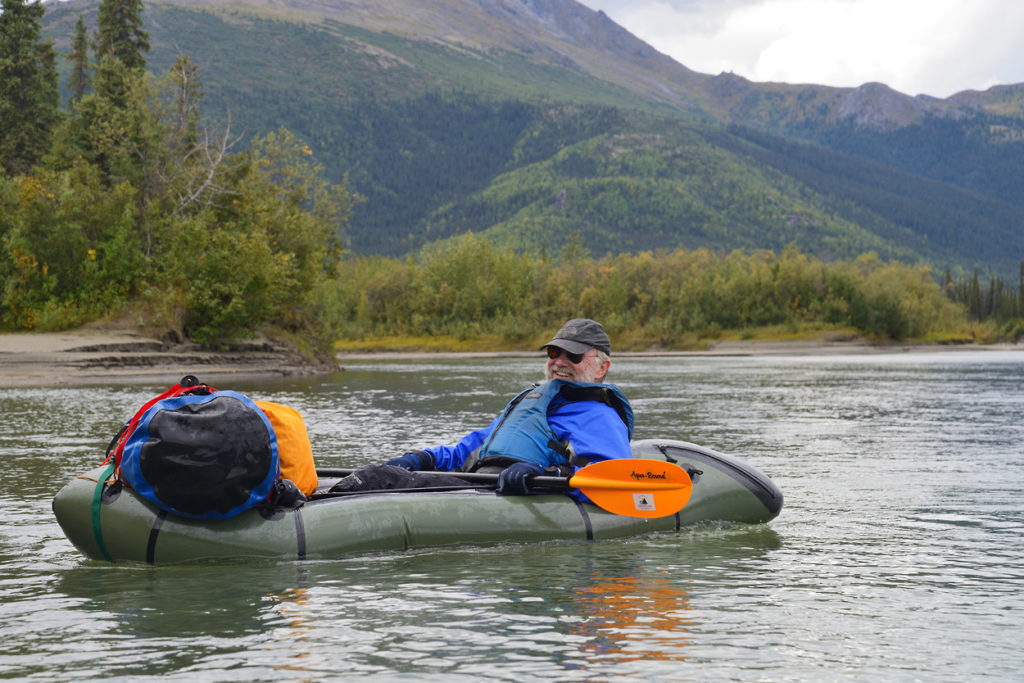
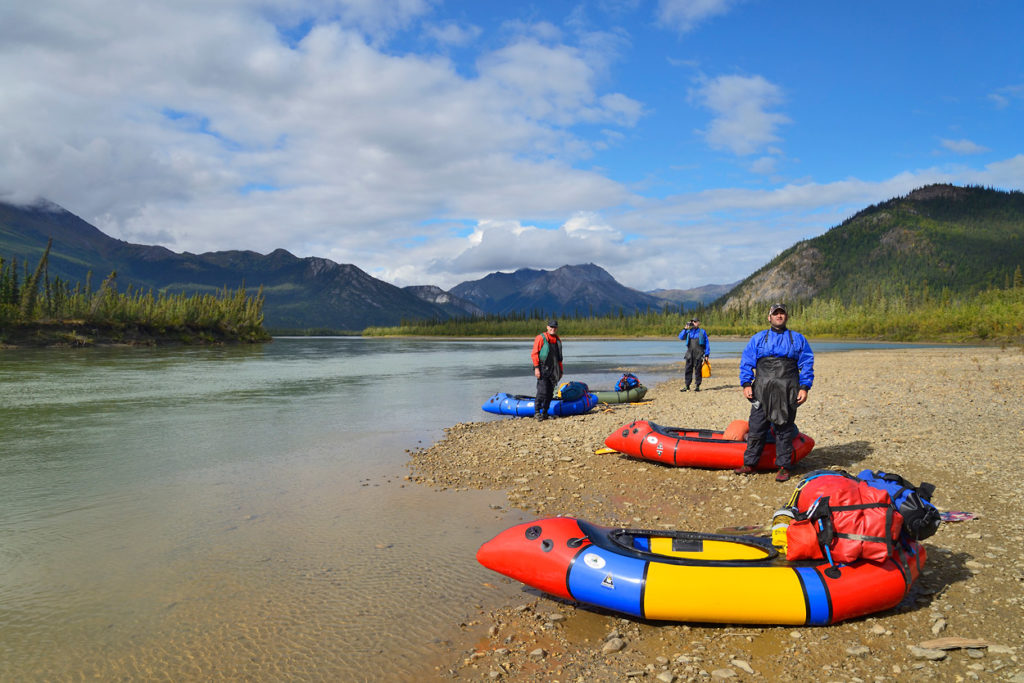
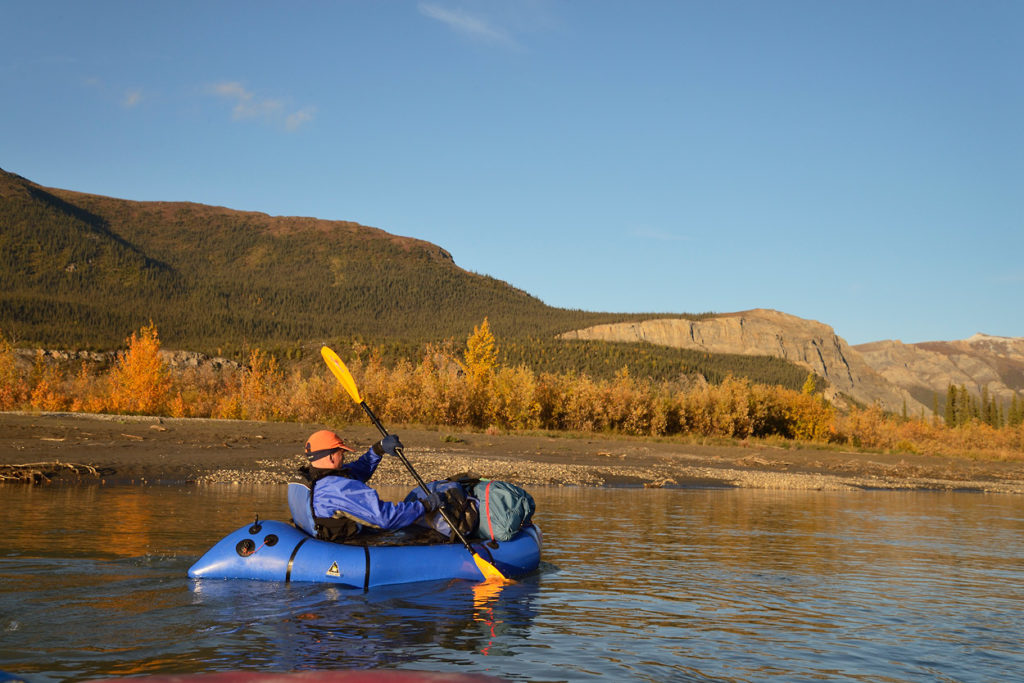
The best way to get around the arctic backcountry is by river. Rivers have been known as the highways of the arctic for years here in Alaska for both summer and wintertime travel. Packrafts have recently really opened up non-winter travel in the Alaska wilderness like few other pieces of non-motorized equipment ever have. It’s now perfectly feasible to do a trip over 4 days and cover 60-80 miles of terrain. Even further in some places.
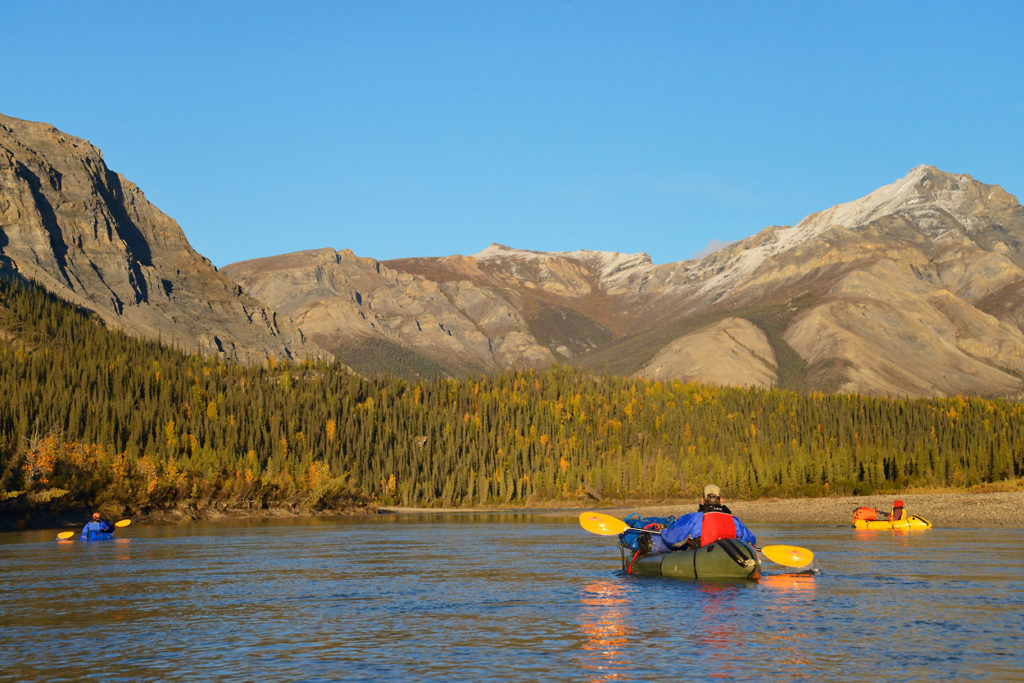
What I suggest for most folks on our Arrigetch Peaks trip is to combine the backpacking and hiking trip with a packraft trip down the Alatna River. We’ll store the packrafts and boating gear at our landing zone area when we first fly in to the backcountry. This way we’re not carrying all that equipment on the hikes. When we come back down from the mountains we pick up our packrafting gear and then float the river.
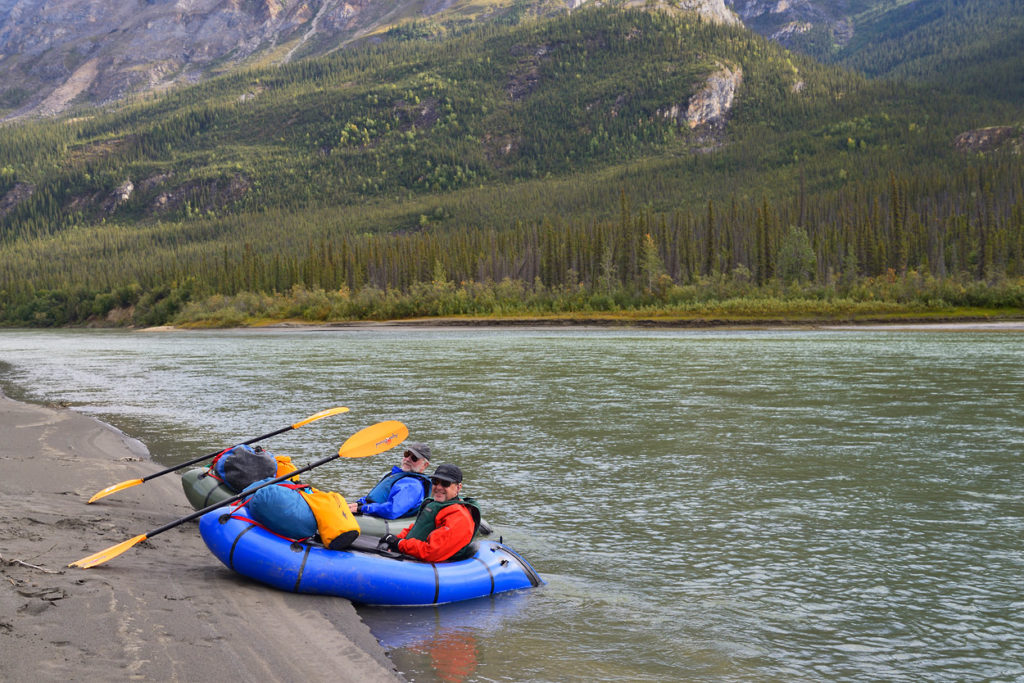
The Alatna River is a very easy Class I river. Flatwater paddling. The options include a 20 mile float to Takahula Lake where we exit the river and make a short portage to the lake for our pickup. The other is a longer 45 mile float to the confluence with Malamute Fork. My suggestion for most inexperienced boaters is the shorter trip. Neither trips involve any tricky water at all and both options are fine for beginning boaters.
All packrafting gear, paddling equipment, dry bags, paddling clothes, PFDs (Personal Floatation Devices) are supplied by Expeditions Alaska.
More info on the Alatna River Packrafting extension (trip).
Take a look at the Alatna River Packrafting Video below.
Alatna River Packrafting
Trip Logistics
We meet in Fairbanks and then travel to Bettles Lodge. We fly in to the Brooks Range, landing near the Alatna River. The hike up to the Arrigetch Peaks involves some bushwhacking.
Then we hit the subalpine and spend our time in this amazing granite range. We either run this as a backpacking trip or as a combination backpack/basecamp and exploratory dayhike trip. Usually (and my recommendation is) the former.
It’s best done spending at least a couple of days in the alpine region. Hiking and scrambling up the ridge lines and valleys for some of these great views. The options really do go on forever up here.
We then hike back down below treeline and back toward the Alatna. We’ll meet our pilot for the air taxi ride back to Bettles. We’ll spend another night in Bettles, then fly back to Fairbanks the following day.
Where Are We?
Trivia
“Arrigetch” is an Inupiat word that translates in English to, approximately, “fingers of the outstretched hand”, an apt phrase to outline the almost lifelike, clawing scrapes of rock here. The Arrigetch Peaks, part of the Endicott Mountains in the central Brooks range, are a designated National Natural Landmark, recognized as an “outstanding example of natural history both biological and geological features in the US”; all this means is that the Arrigetch Peaks are amazing.
Trip FAQs
-
Will we see critters?
Wildlife aren’t prominent up here. The arctic mountains are a hash world. A short growing season with a long cold winter means population densities are low.
Yes, grizzly and black bear reside here, as do wolves and coyote, fox, moose, caribou, Dall sheep and more. I’ve seen (and heard) most of these creatures here at one time or another, but we typically don’t see all of these on any one trip.
-
Will we see other people on this trip?
Gates of the Arctic National Park is a big area, and receives very small tourist numbers. But Arrigetch Peaks is definitely the most popular backcountry destination in the park, and draws a pretty good crowd.
Expect to see at least one or two other groups of hikers or climbers while you’re out here.
I’d suggest one of our other backpacking trips if you’re set on not seeing other people at all.
-
Are the bugs bad in the Arrigetch Peaks?
Well, they can be pretty gnarly. Later in summer towards fall is better, as their numbers drop. late June and July sees the highest numbers.
Bring a headnet.
-
How's the weather in the Brooks Range?
Well, this is Gates of the National Park. Don’t be surprised if it snows. Or rains. Or blows hard. Or all three. Or all three at once.
Don’t be surprised if you get some gorgeous clear, dry sunny days,as well. The arctic can be like that.
Expect weather in fall (late Aug-early Sept) to be chilly, down to (and below) freezing. By contrast, it can also be warm and even mildly hot in summer.
-
How high are the Arrigetch Peaks?
Most of the peaks here are around 6000-7000′ ASL. Not terribly high by Alaska standards. But oh so grand.
-
How tough is this trip?
This is a tough walk.
Yes, we’ll have easier times and mild days. But the trip is rated 5 boots, so expect sections of it to challenge you. They challenge me, and I do a lot of this.
You’ll need to be in good shape, strong and athletic and capable of carrying a heavy load over difficult terrain.
-
What’s Included – Gates trips?
- All multi-day trips (backpacking, basecamping, packrafting, photo tours) out of Fairbanks include transport to/from Fairbanks/Bettles (or Coldfoot, depending on the trip), 1 night accommodations in Bettles, air taxi flights Bettles/The Backcountry, group gear such as cook tents, stoves, fuel, BRFCs, bear spray, etc.
- Hiking poles are included if you don’t have your own.
- We include both a satellite phone for emergencies and one backup emergency contact device, such as Zoleo or Garmin InReach.
- First aid kits, map and compass included. All guides are Wilderness First Responder Certified.
- Storage of your overnight travel gear is limited but available (keep it simple, one small overnight bag).
- Outfitting of equipment such as tents is available. Expeditions Alaska can either fully outfit your trip (all food, tents, etc) or adjust things a la carte if needed.
- Guide gratuities are not included but most appreciated.
- Trip insurance is not included. I strongly encourage you to buy it on your own. Travelex is who we steer people toward.
For a full outline of What’s included/not included, please see this page
-
What’s A Fully Outfitted Trip Involve?
That is trip dependent.
For backpacking trips, a fully outfitted option includes your tent (one or two person tent), all your kitchenware, food and cooking by Expeditions Alaska. A typical trip, up to 12 days long, costs an additional $450.00 per person for the fully outfitted option ($350 for 4 day trips or shorter).
Available “á la carte” options are (per person)
Tent $50.00/tent
Food/cooking $325.00 (up to 4 day trip duration)
Food/cooking $425 (any trip 5 days or longer)For personal items such as a backpack, or sleeping pad, talk to me prior to your trip and we’ll see if we can possibly arrange something. If you need a pack I recommend you rent a backpack from a reputable local outfitter. They can find and fit a pack to you rather than “making do” with one of mine that may or may not be a good fit for you.
Items such as BRFC, bear spray, fuel, hiking poles are included gratis with Expeditions Alaska trips. See What’s Included? for more info.
-
I Have More Questions
I know you do. I do as well.
I recommend starting with the General Trip FAQ page
More questions? Email me or call me and we’ll go through them.
Upon your reservation I’ll also send out a comprehensive trip information packet that covers just about everything and more you might imagine about your trip.
Trip Itinerary
I’ve put a series of trip itineraries online here to give visitors to the site a more detailed look at some of our trips and what options they include. I can’t over-emphasize that this is simply an example.
What I work hardest on is tailoring trips to the specific interests and abilities and experience of the people who hike with us. No 2 trips are the same. Where possible we don’t use the same campsites trip to trip. We often even vary the route as possible.
I try to be flexible with how far we hike each day, with how many days we spend in the backcountry. What time we get up in the morning for example, is largely up to the trip participants (unless for some reason I feel we need to be up and on the trail by a particular time – this rarely happens).
The Arrigetch Peaks trekking trip in Gates of the Arctic National Park is awesome, but challenging. The itinerary is somewhat fluid and I’m open to suggestions on alternatives. Weather, hiker experience and many other factors determine the actual trip.
You May Also Like